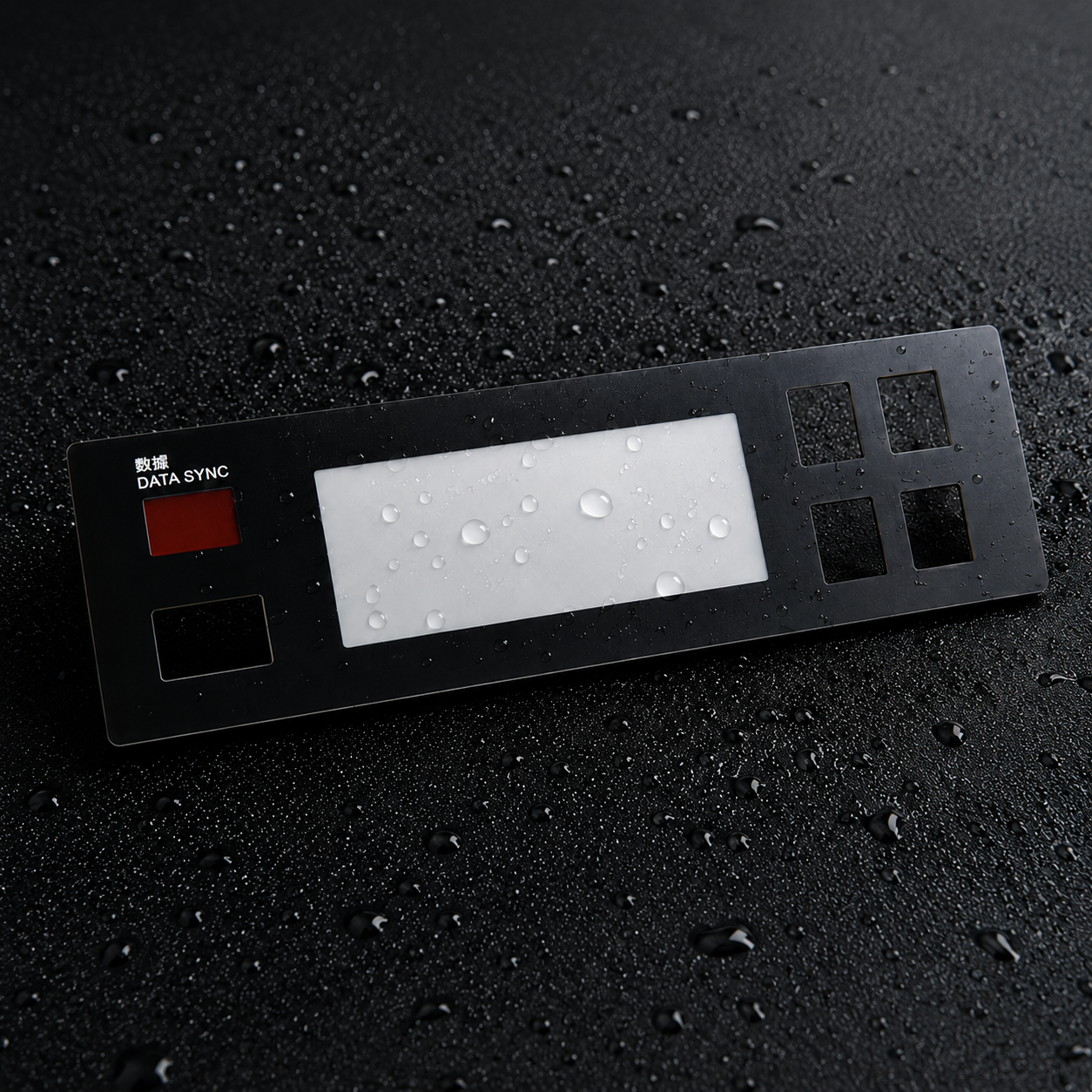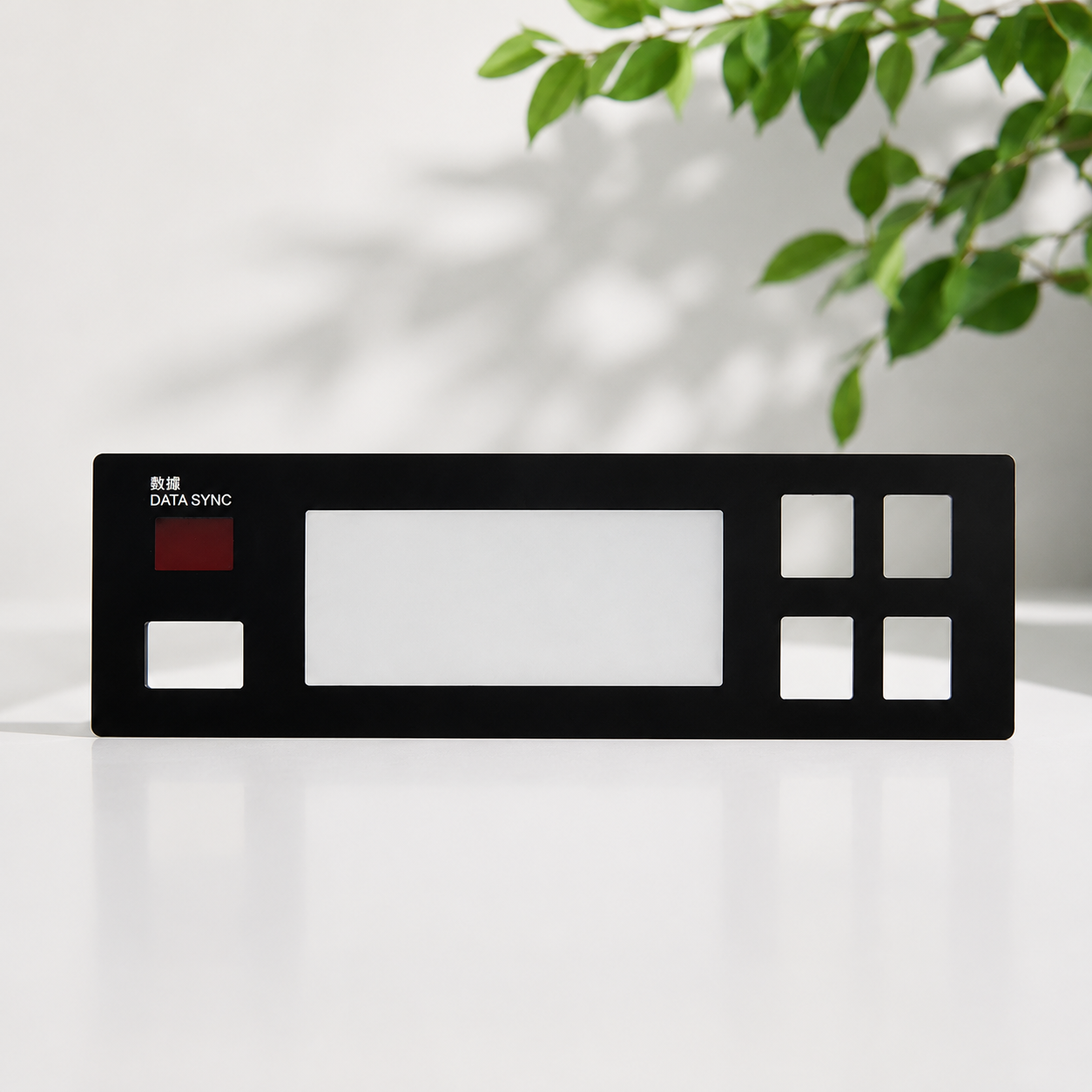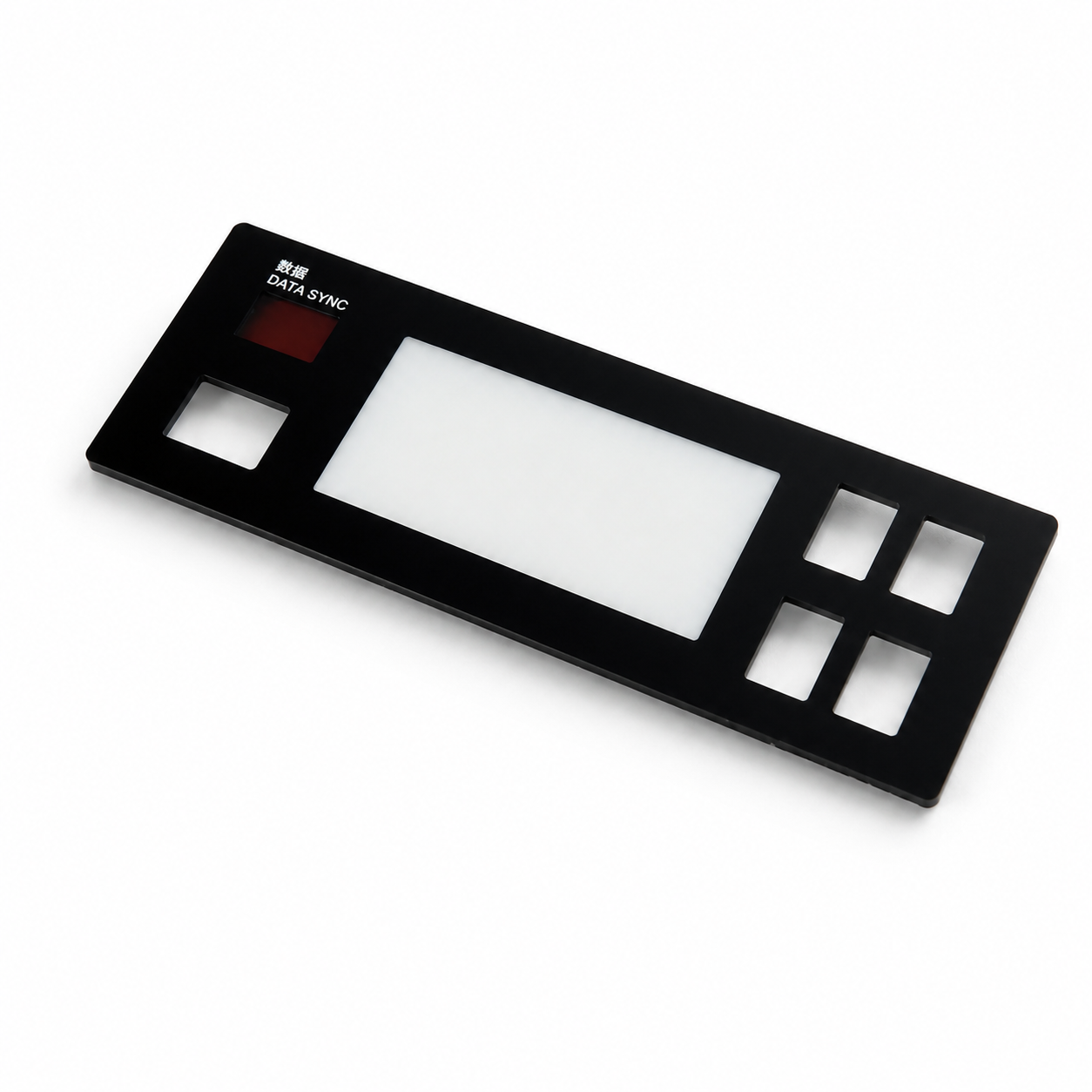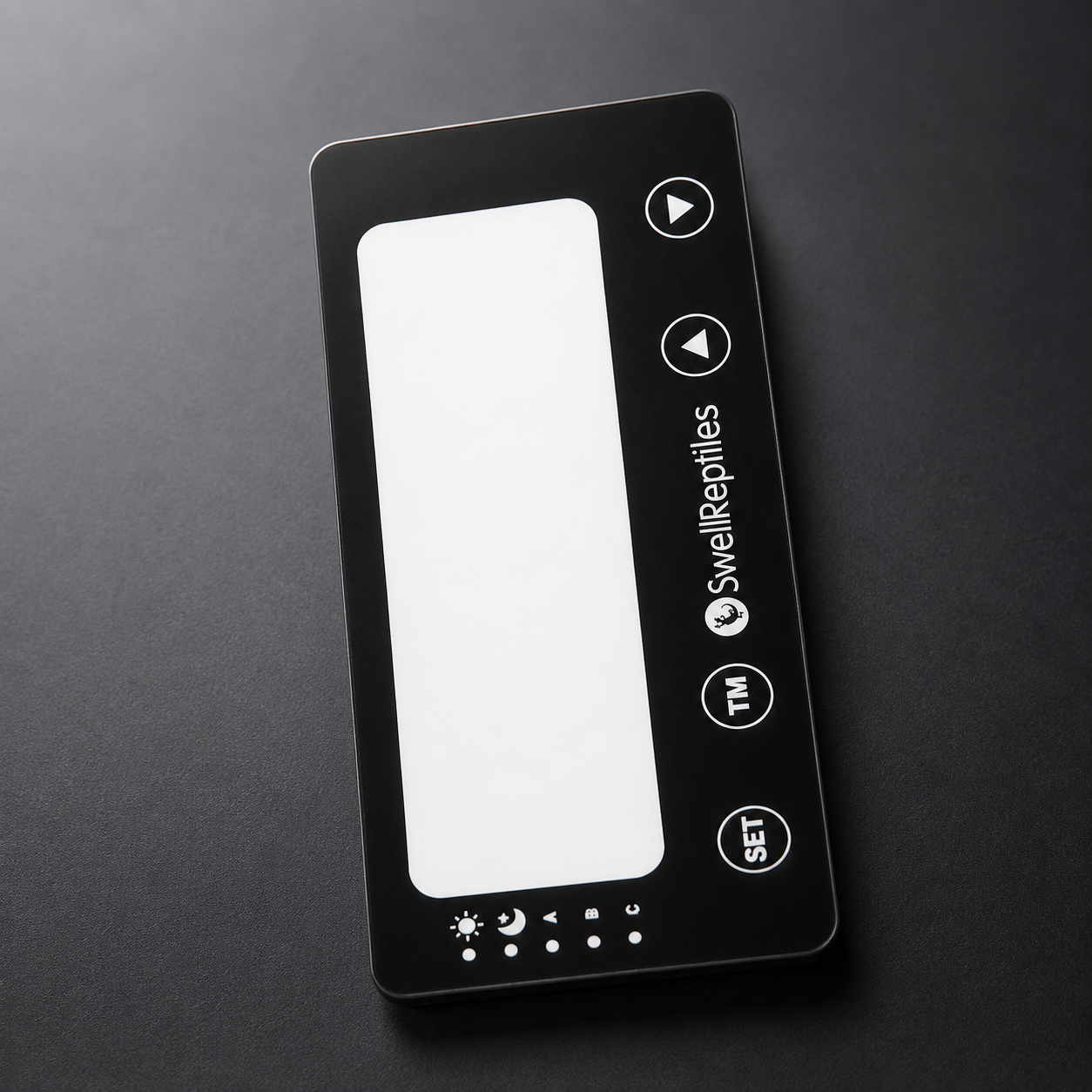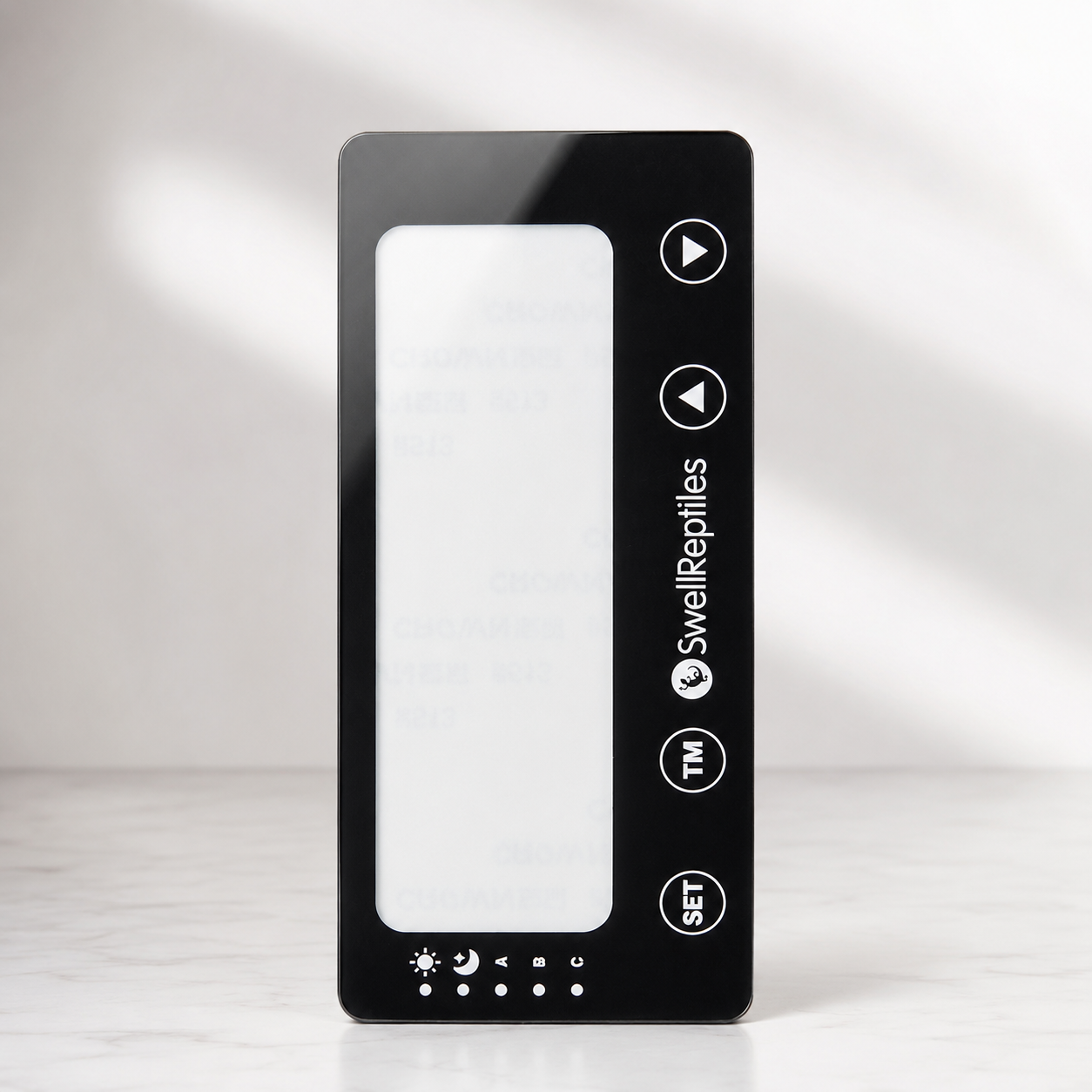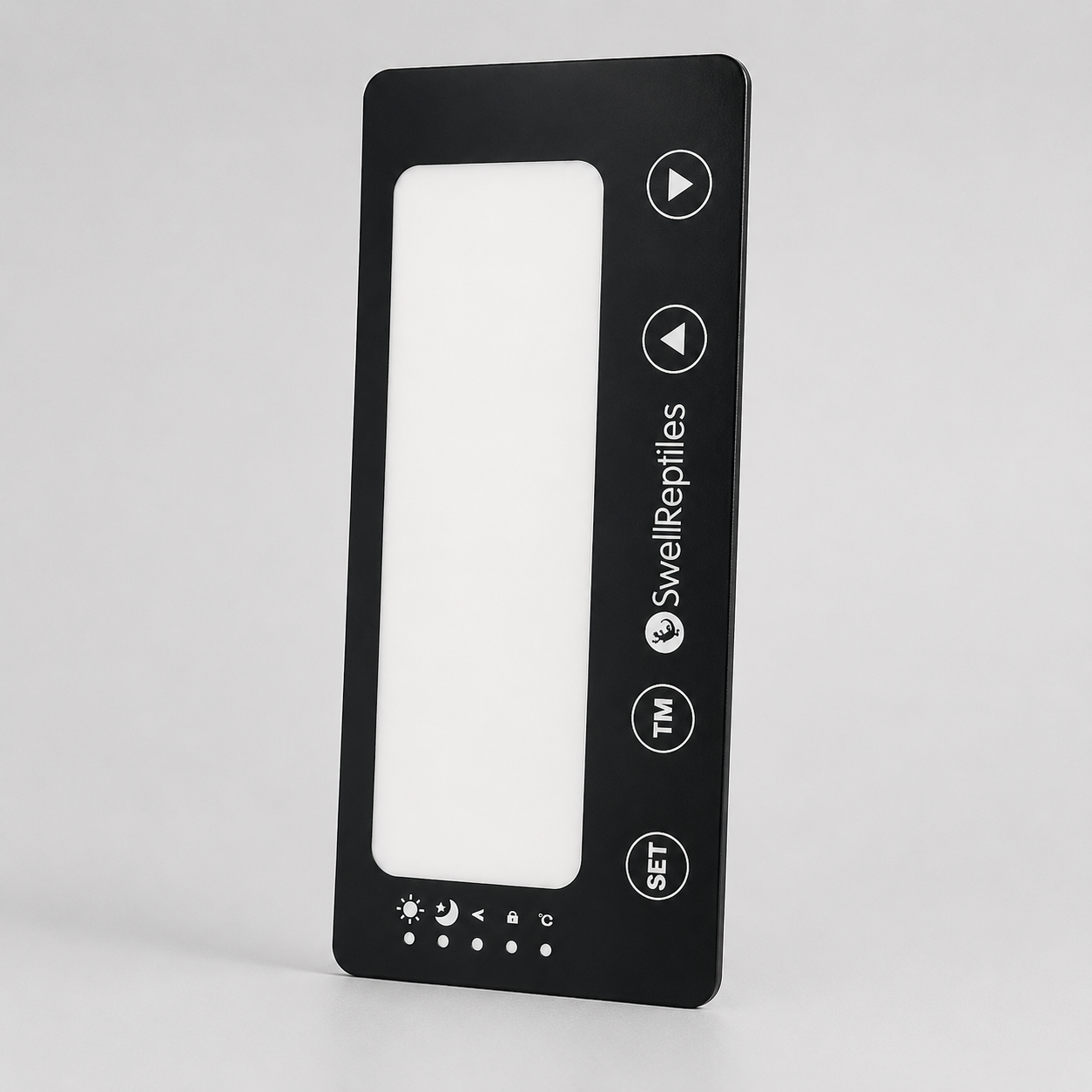
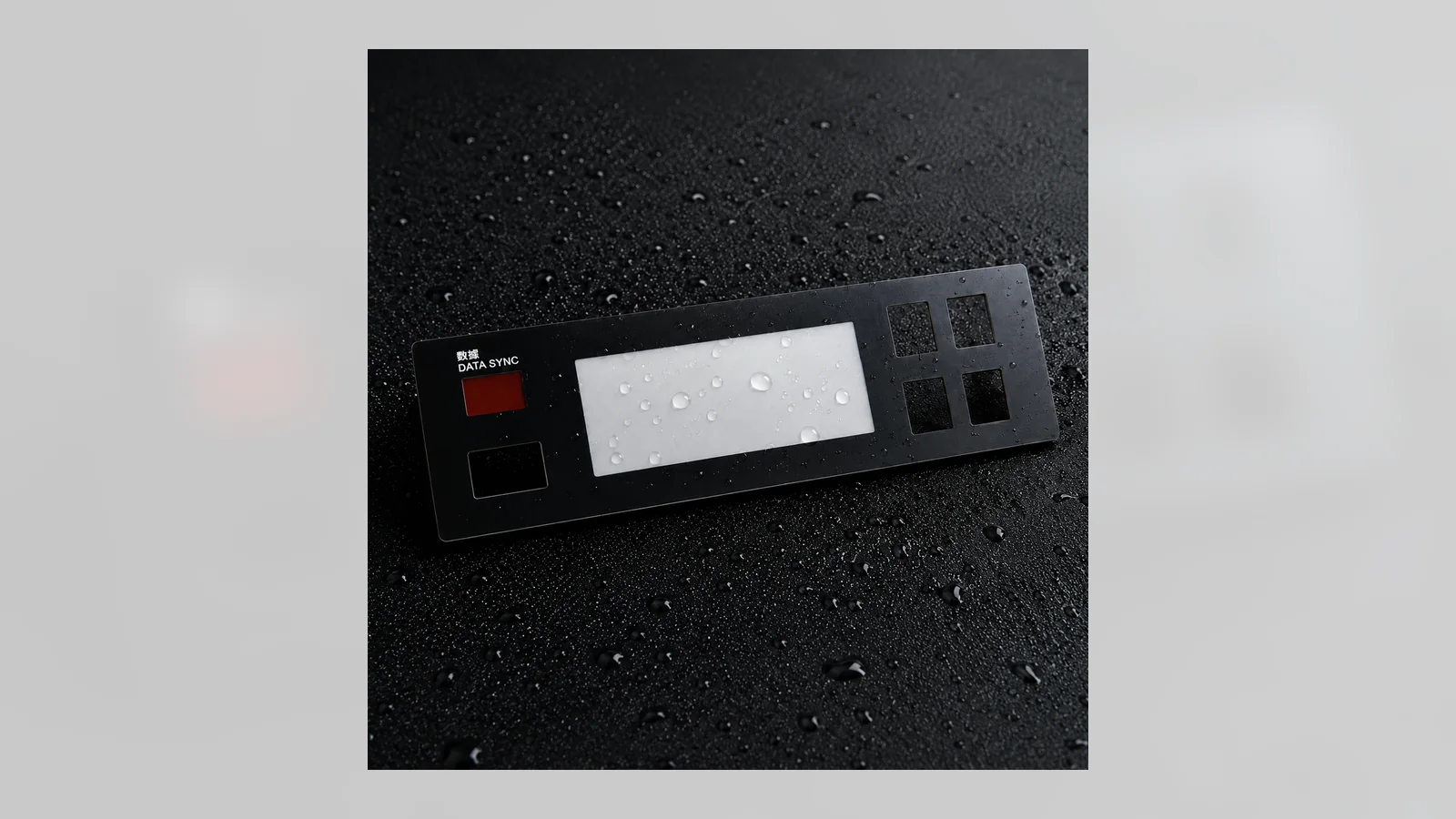
Direct answer: A useful custom panel review starts with the application, drawing, material preference, visible graphics, assembly method, expected quantity, packaging needs, and destination. Complete inputs reduce assumptions and make sampling more efficient.
Start with the finished product, not only the panel
A panel specification makes more sense when we know what the finished equipment does and how the panel will be used. Indoor or outdoor exposure, repeated touch, cleaning, impact risk, display brightness, and the mounting method can change the material or finishing discussion.
Do not send confidential product information that is unnecessary for quoting. A simplified assembly view and the interfaces that affect the panel are often enough for an initial review.
The minimum project package
| Input | What to include | Why it matters |
|---|---|---|
| Drawing | Overall dimensions, thickness, tolerances, holes, windows, radii, and datum references | Defines the part and inspection basis |
| Material | PMMA, PC, composite, or performance requirements if undecided | Prevents selection by appearance alone |
| Artwork | Vector logo, symbols, colors, opaque areas, and transparent windows | Separates printing from machining data |
| Assembly | Adhesive zone, screw holes, clips, gasket, or other mounting method | Helps review fit and unsupported areas |
| Commercial scope | Prototype quantity, estimated order quantity, destination, and packaging request | Allows an appropriate process and packing discussion |
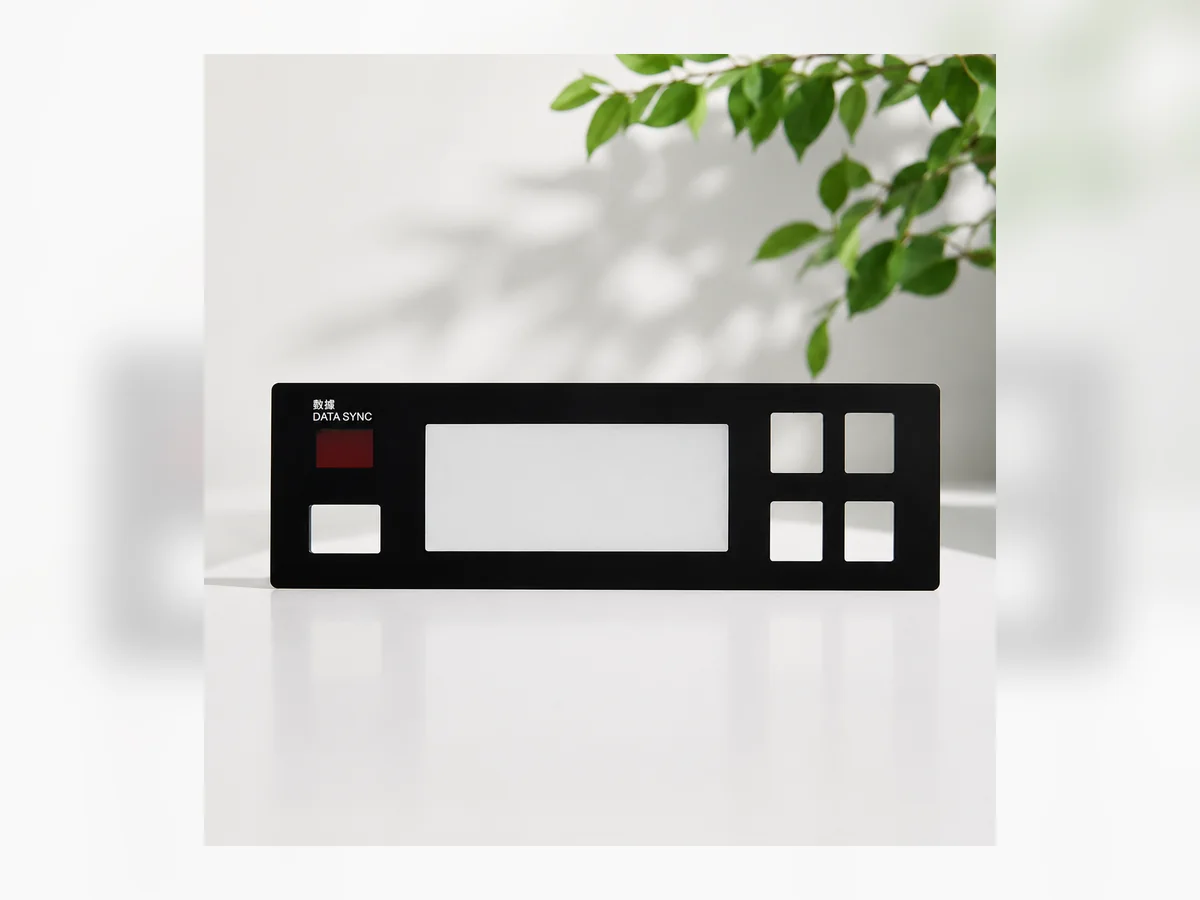
Dimensions and tolerances need priorities
Not every dimension should carry the tightest tolerance. Identify the dimensions that control fit, display alignment, button travel, sealing, or cosmetic gaps, then distinguish them from noncritical outline dimensions.
If a tolerance is tied to an assembly, show the mating feature or explain the functional reason. We will confirm achievable tolerances based on the final material, thickness, process, and geometry rather than treating a generic tolerance block as a guarantee.
Material selection should be performance-led
PMMA is commonly considered when optical clarity and a rigid polished appearance are priorities. PC is commonly considered when toughness, flexibility, or impact performance matters more. A PMMA+PC construction may be considered when a project needs a harder visible surface with a tougher backing.
These are starting points, not a substitute for a finished-product evaluation. Review the related PMMA panels, PC panels, and acrylic panels, then confirm the grade and specification for the application.
Common RFQ problems that slow review
- A screenshot is supplied instead of a dimensioned drawing.
- The drawing and artwork use different revisions.
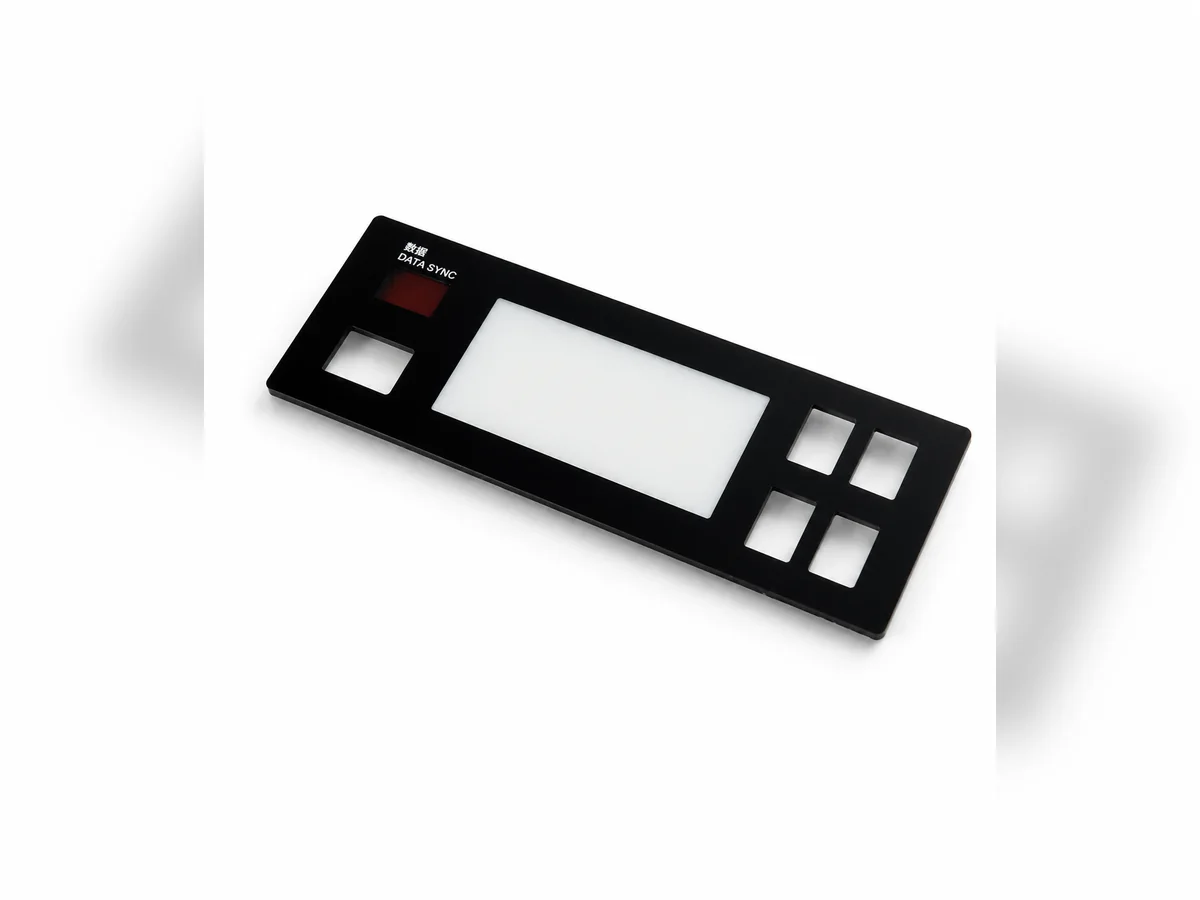
- “Transparent black” is requested without a powered-on display target.
- Adhesive is requested without showing keep-out zones or the bonding surface.
- The quote quantity is omitted or differs greatly from the expected order quantity.
A short revision log prevents an approved sample from being compared with a later drawing. File names should carry the part number and revision.
Buyer FAQ
Can you review a project if the material is not selected?
Yes. Provide the application, exposure, optical, impact, cosmetic, and assembly requirements so options can be discussed. The final material must be confirmed in the quotation and sample specification.
Is a physical sample enough?
A sample helps communicate appearance and fit, but a controlled drawing is still recommended for dimensions, tolerances, and revision management.
What drawing format should we send?
A dimensioned PDF is useful for review. Add the native CAD format when geometry, CNC paths, or detailed openings need to be evaluated.
Should artwork be included in the CAD drawing?
Keep critical print registration references in the drawing, but also provide editable vector artwork with colors, transparent areas, and revision identification.
Can you quote without an annual forecast?
Provide the most realistic prototype and initial order quantities available. Pricing, process planning, and packaging can be confirmed again when the production quantity is known.
What if packaging is not decided?
State the destination, shipping mode, cosmetic sensitivity, and any retail or assembly-line requirements. The packing method can then be confirmed with the final panel specification.
Key takeaway
A useful custom panel review starts with the application, drawing, material preference, visible graphics, assembly method, expected quantity, packaging needs, and destination. Complete inputs reduce assumptions and make sampling more efficient. Confirm every open point against the final specification and approved sample.
Send the project details for review
Send the product type, preferred material, dimensions or drawing, application environment, custom graphics or openings, estimated quantity, packaging requirements, destination country, and requested delivery window.
Submit the project information through our contact page. Specifications, MOQ, price, sample timing, and production timing will be confirmed for the final project.