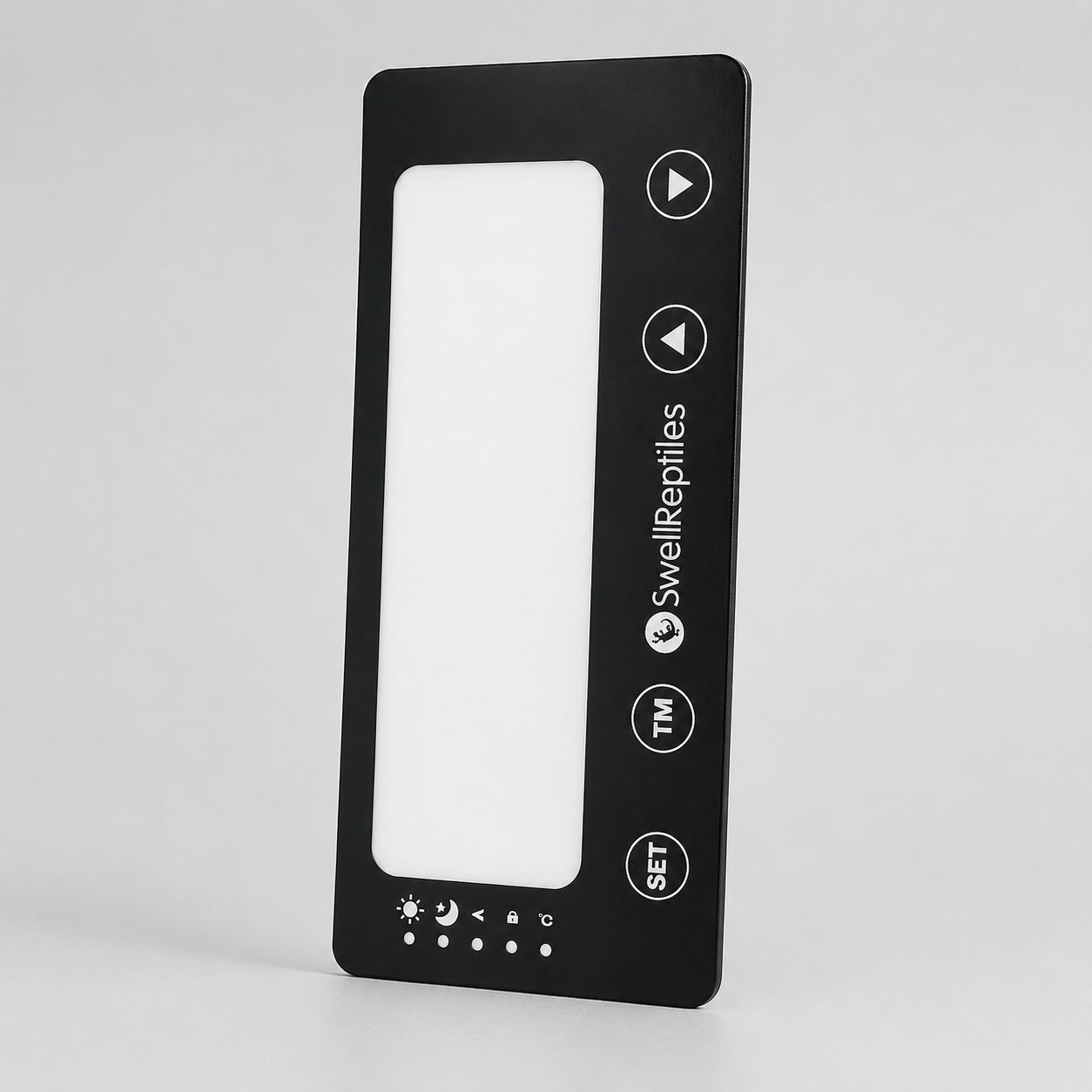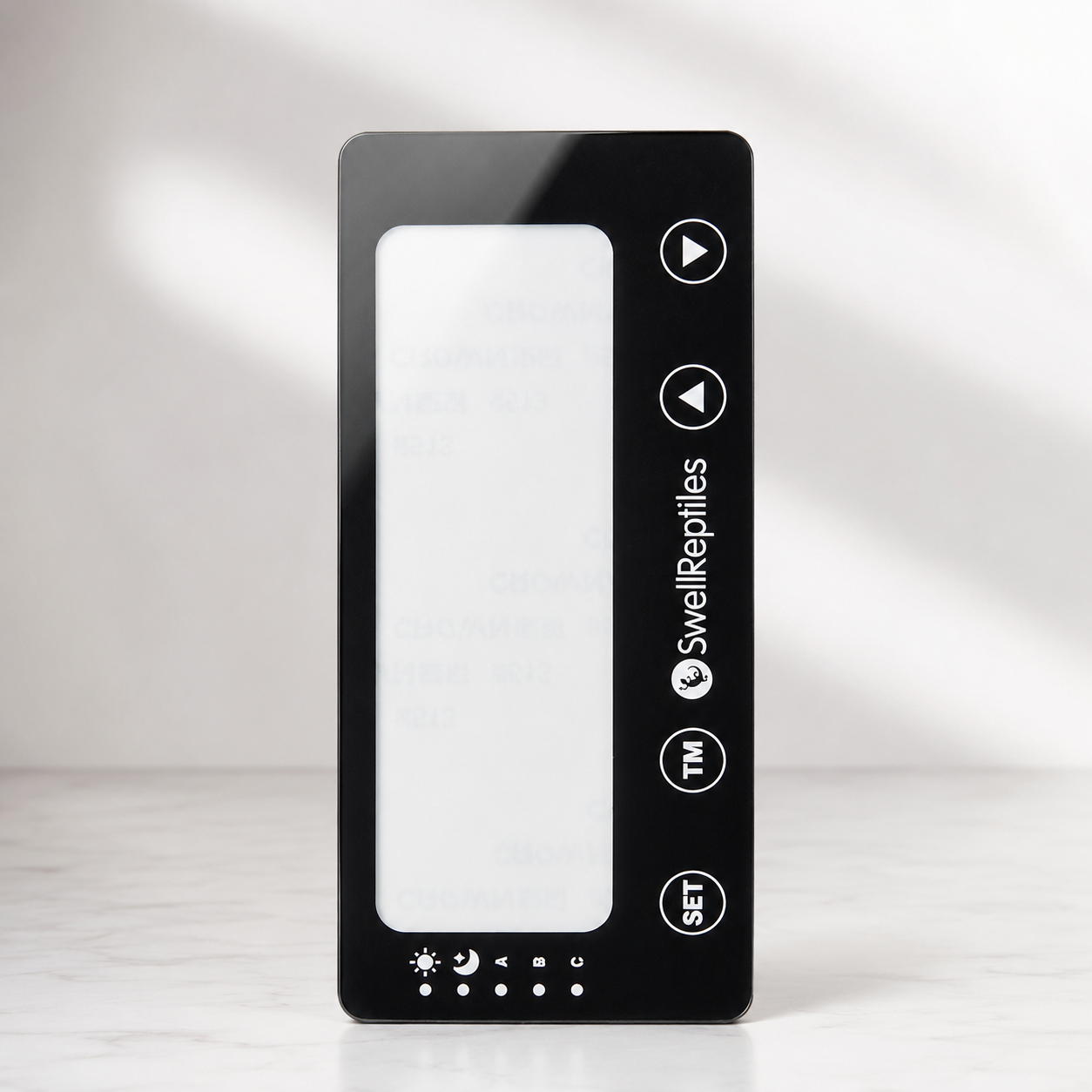
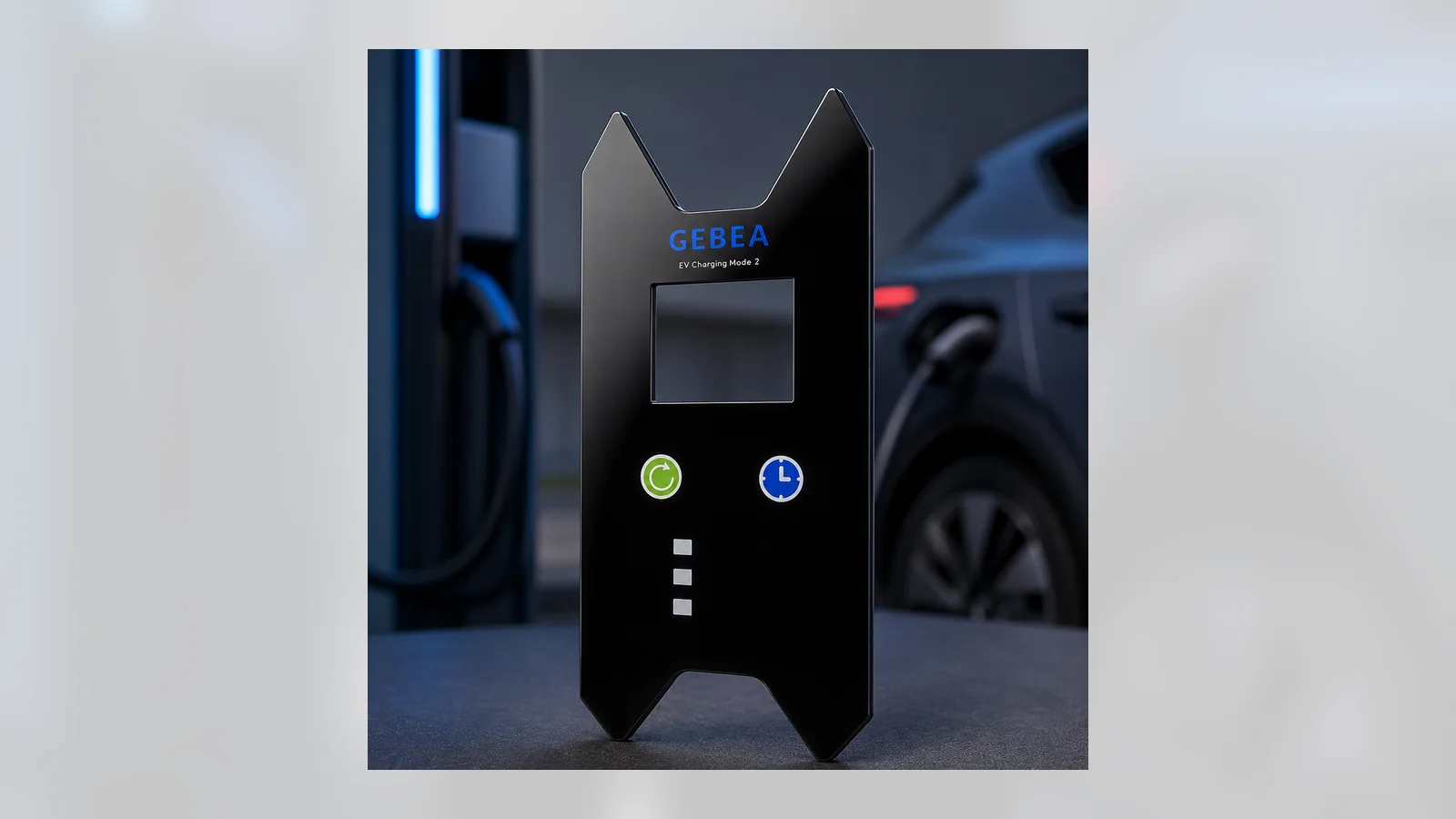
Direct answer: A controlled sample process links one drawing revision, one artwork revision, one material specification, and one inspection record. Approval should cover function, appearance, assembly, and packaging—not appearance alone.
Step 1: establish the controlled input set
We begin with the dimensional drawing, artwork, material request, surface and adhesive requirements, and the intended application. Each file needs a revision so questions and changes can be tied to a specific version.
If a physical sample is the starting point, the buyer should still approve the resulting drawing. Reverse-engineered dimensions should not become production requirements without that review.
Step 2: separate geometry, graphics, and optical zones
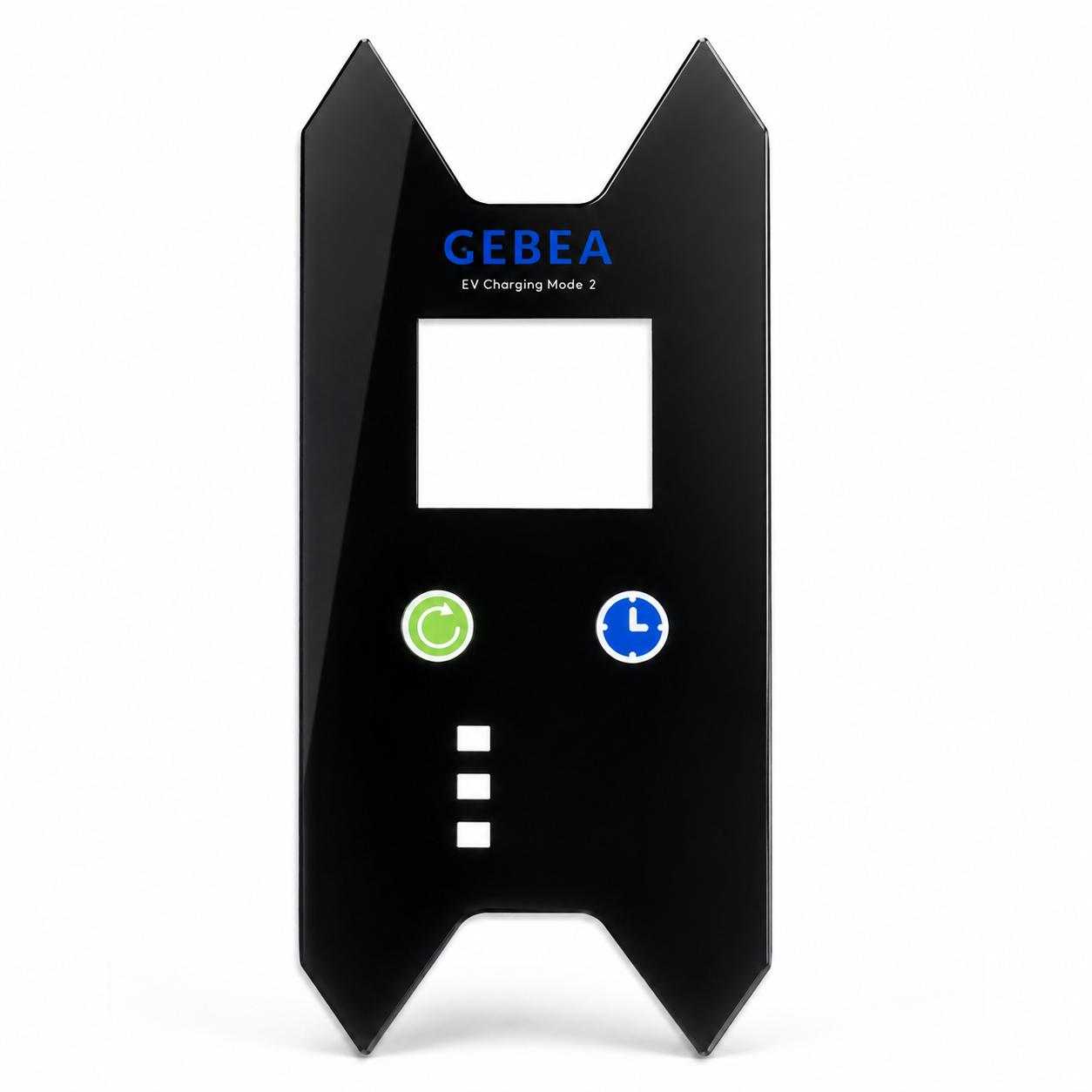
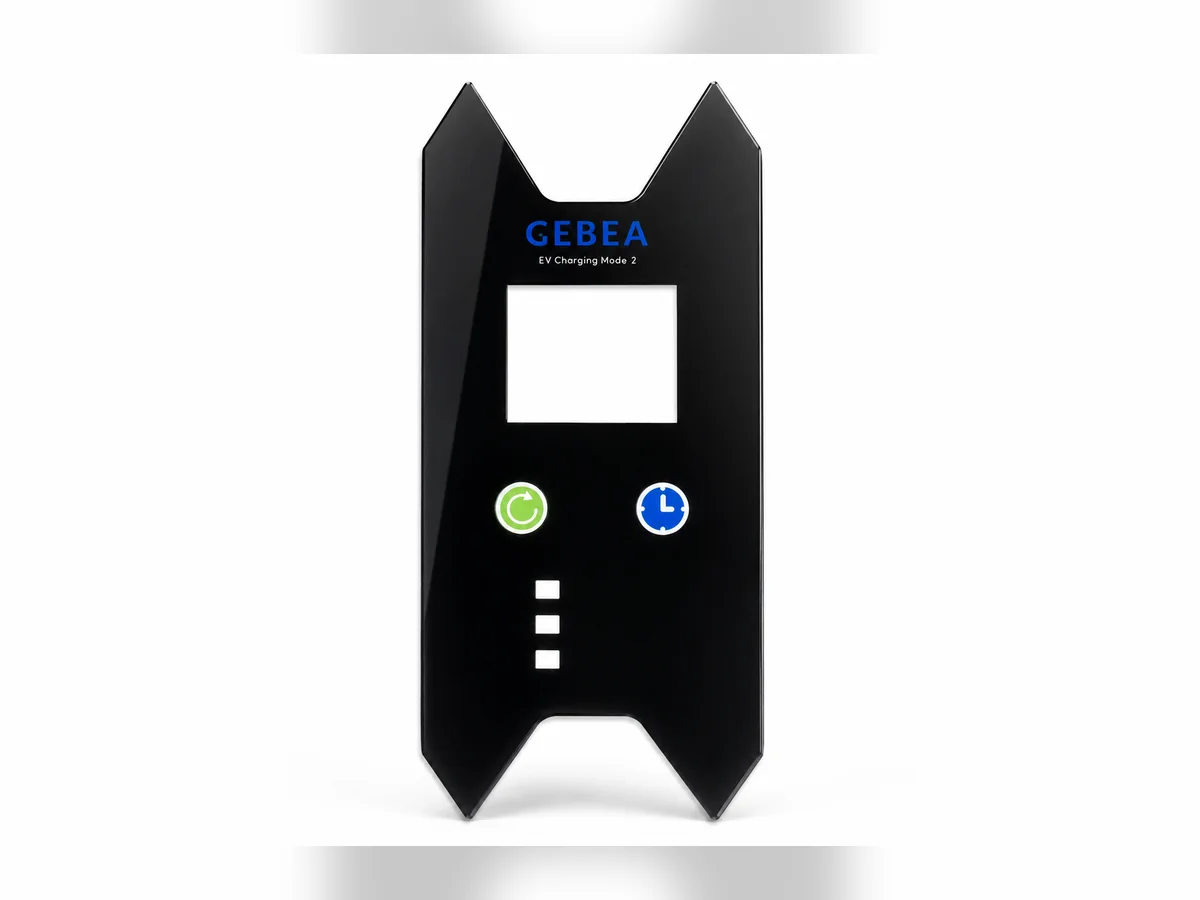
The CAD drawing controls geometry. The artwork file controls logos, symbols, borders, opaque ink, and transparent or translucent windows. An overlay sheet can identify registration dimensions between the two.
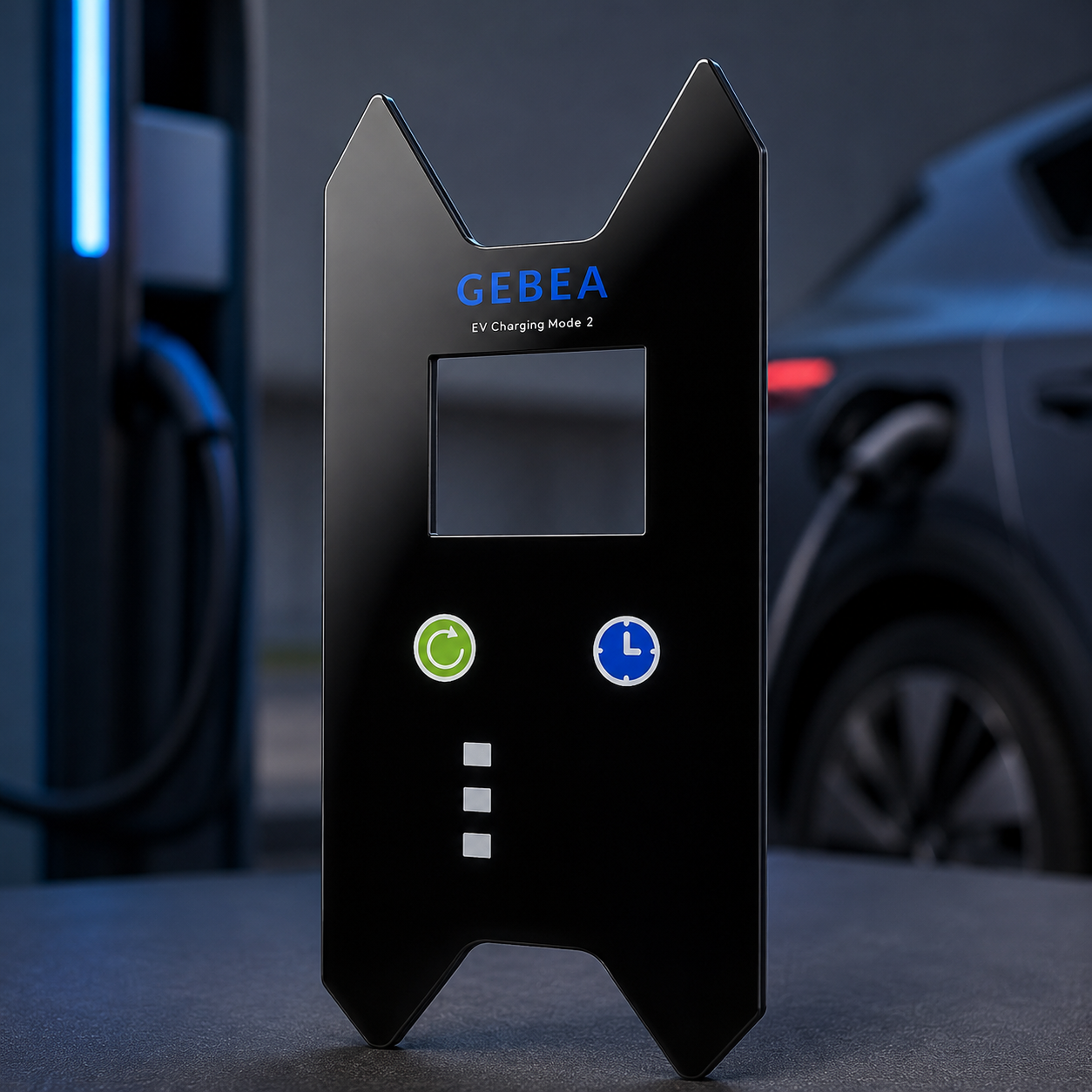
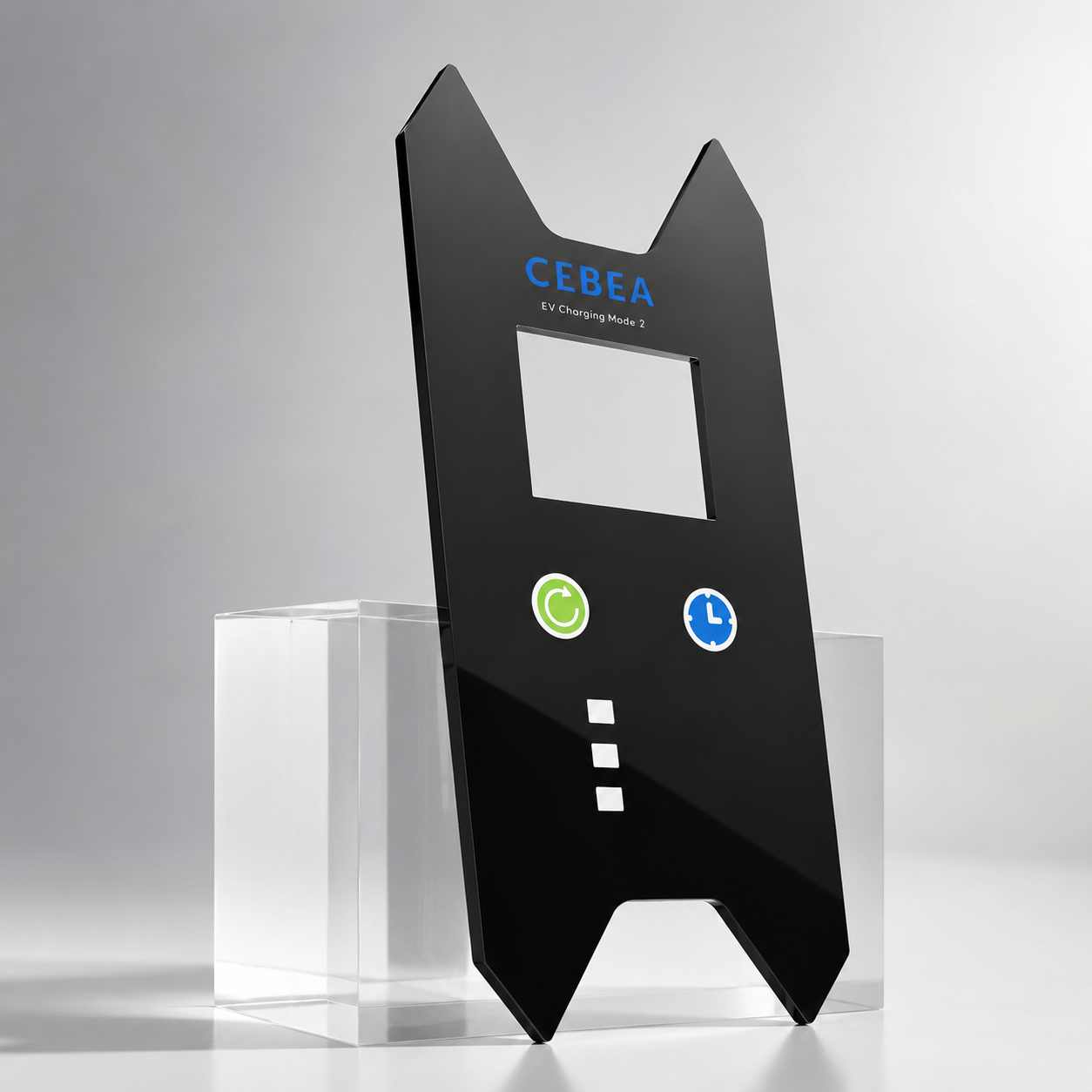
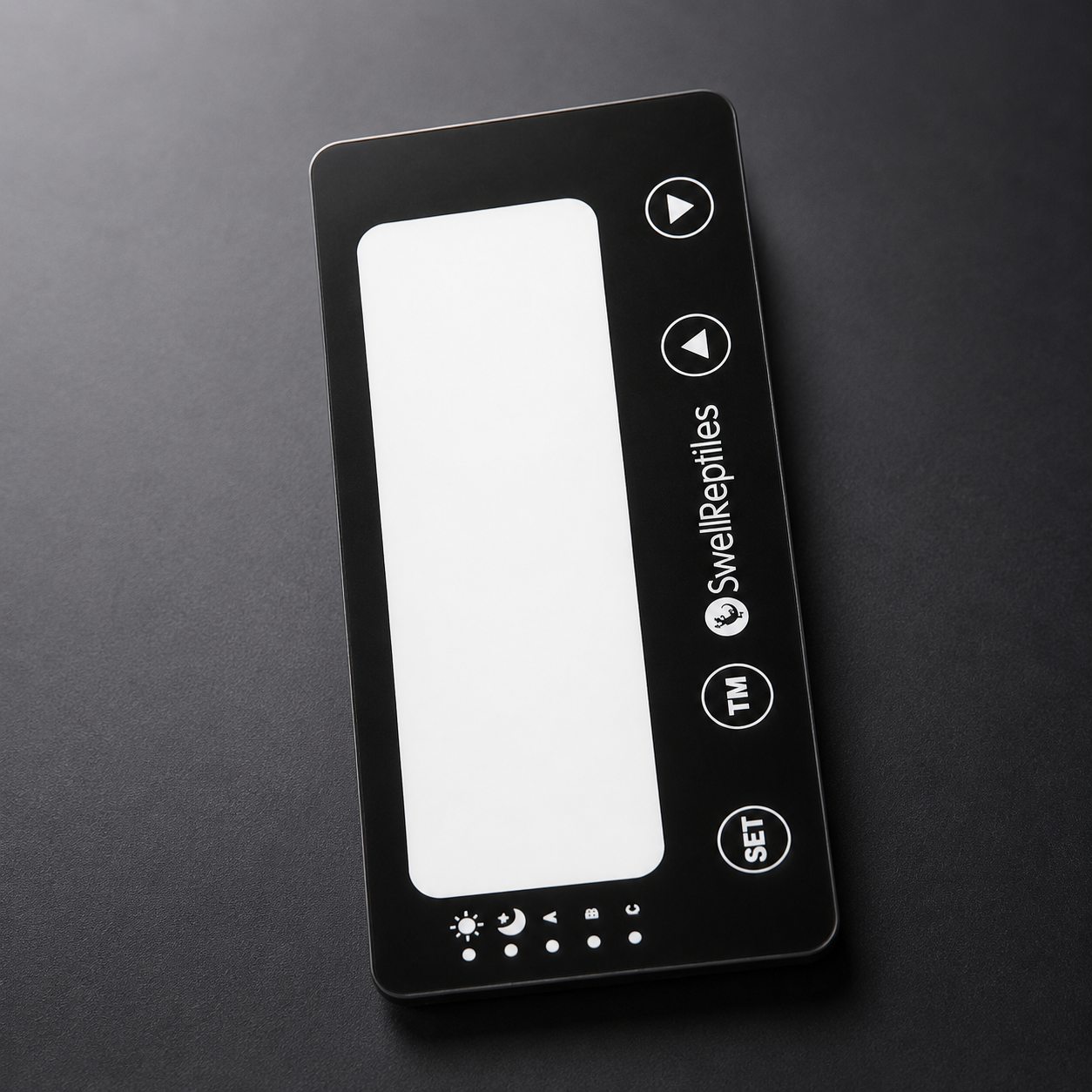
For display products, specify the active display area, bezel or light-blocking region, and allowable shift. This is especially important for an acrylic digital display lens.
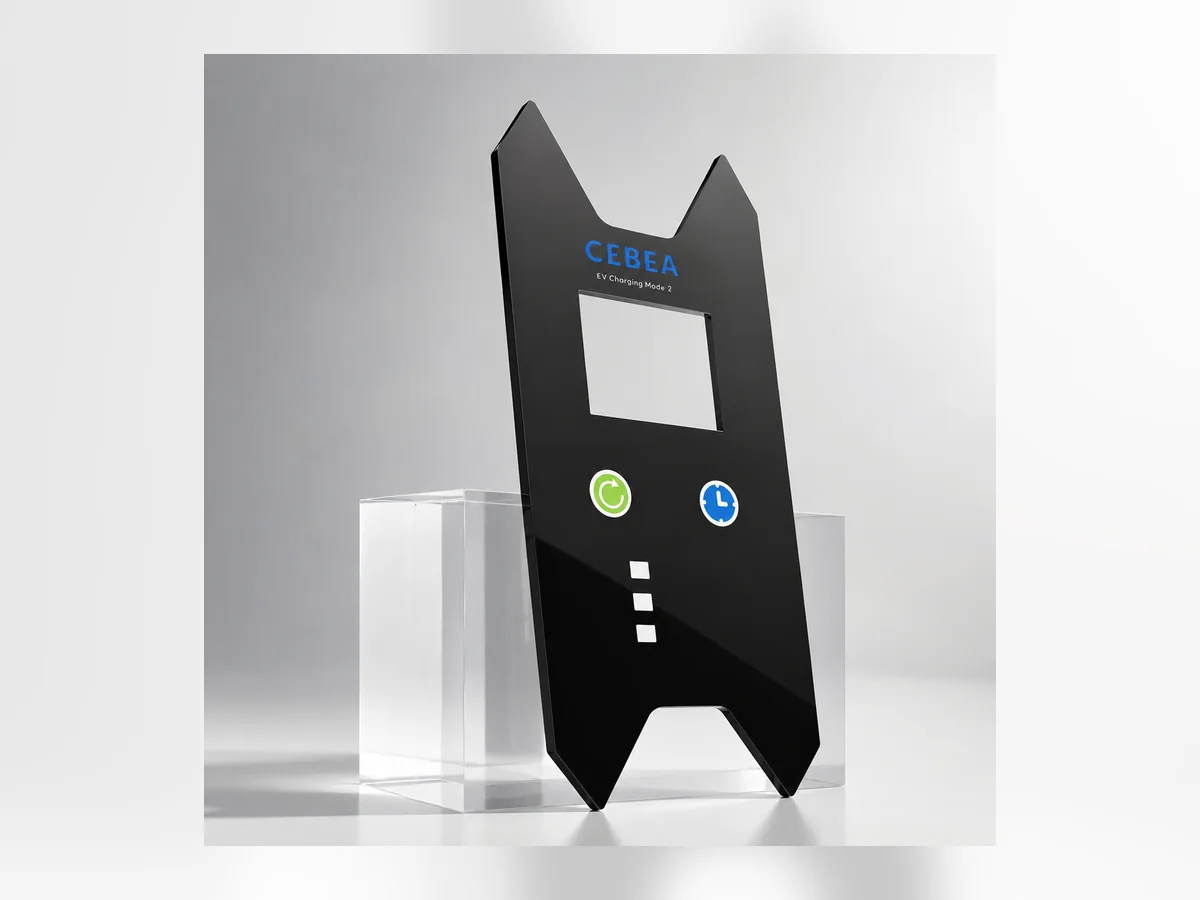
Step 3: define what the sample must prove
| Review area | Sample questions |
|---|---|
| Fit | Do holes, edges, windows, and adhesive zones align with the assembly? |
| Function | Are indicators readable and buttons or sensors unobstructed? |
| Appearance | Are color, gloss, texture, printing, and visible defects acceptable? |
| Handling | Does protective film work with the buyer's assembly sequence? |
| Packing | Can parts be removed without surface contact or confusion? |
Step 4: inspect in the real assembly
A loose panel on a desk cannot reveal every issue. Install the sample on the actual housing with the intended display, adhesive, gasket, fasteners, and lighting conditions.
Record objective findings with dimension references and photos. Statements such as “slightly off” are difficult to action unless the location, target, and observed result are identified.
Step 5: close revisions before approval
When a sample changes, update the controlled drawing and artwork rather than relying on email comments alone. Approval should name the accepted part number, drawing revision, artwork revision, material, finish, and sample date.
Keep one approved reference sample when practical. Production requirements remain subject to the final written specification and agreed inspection method.
Buyer FAQ
How many sample rounds are normally needed?
There is no fixed number. It depends on drawing maturity, optical matching, color, assembly feedback, and whether requirements change during evaluation.
Can production start from an email approval?
A written approval is useful, but it should identify the exact drawing, artwork, material, finish, and sample revision being approved.
Should cosmetic limits be documented?
Yes. Define viewing distance, lighting, viewing angle, inspection area, and acceptable defect criteria when appearance is important.
Can the sample use a substitute material?
Only if the substitution is clearly disclosed and the buyer understands what the sample can and cannot validate. Production material must be confirmed separately.
What happens after a sample change?
The affected drawing, artwork, specification, quote, and inspection points should be reviewed for revision impact.
Do you support sample development?
The current site product information confirms sample development support. Scope, quantity, cost, and timing must be confirmed for the final specification.
Key takeaway
A controlled sample process links one drawing revision, one artwork revision, one material specification, and one inspection record. Approval should cover function, appearance, assembly, and packaging—not appearance alone. Confirm every open point against the final specification and approved sample.
Send the project details for review
For a sample review, provide the product type, material, CAD and PDF drawings, dimensions, application, artwork, estimated quantity, packaging needs, destination country, and target schedule.
Submit the project information through our contact page. Specifications, MOQ, price, sample timing, and production timing will be confirmed for the final project.