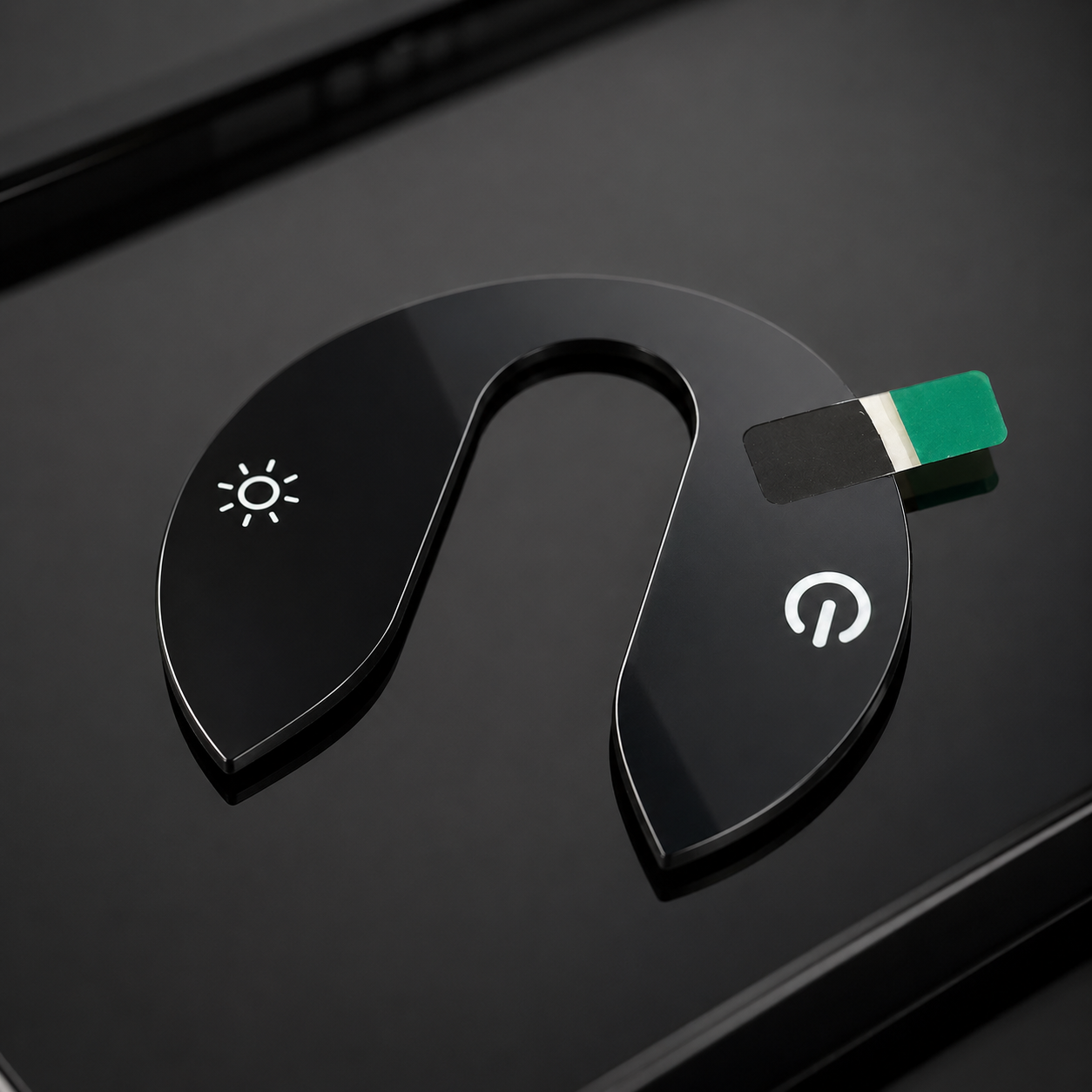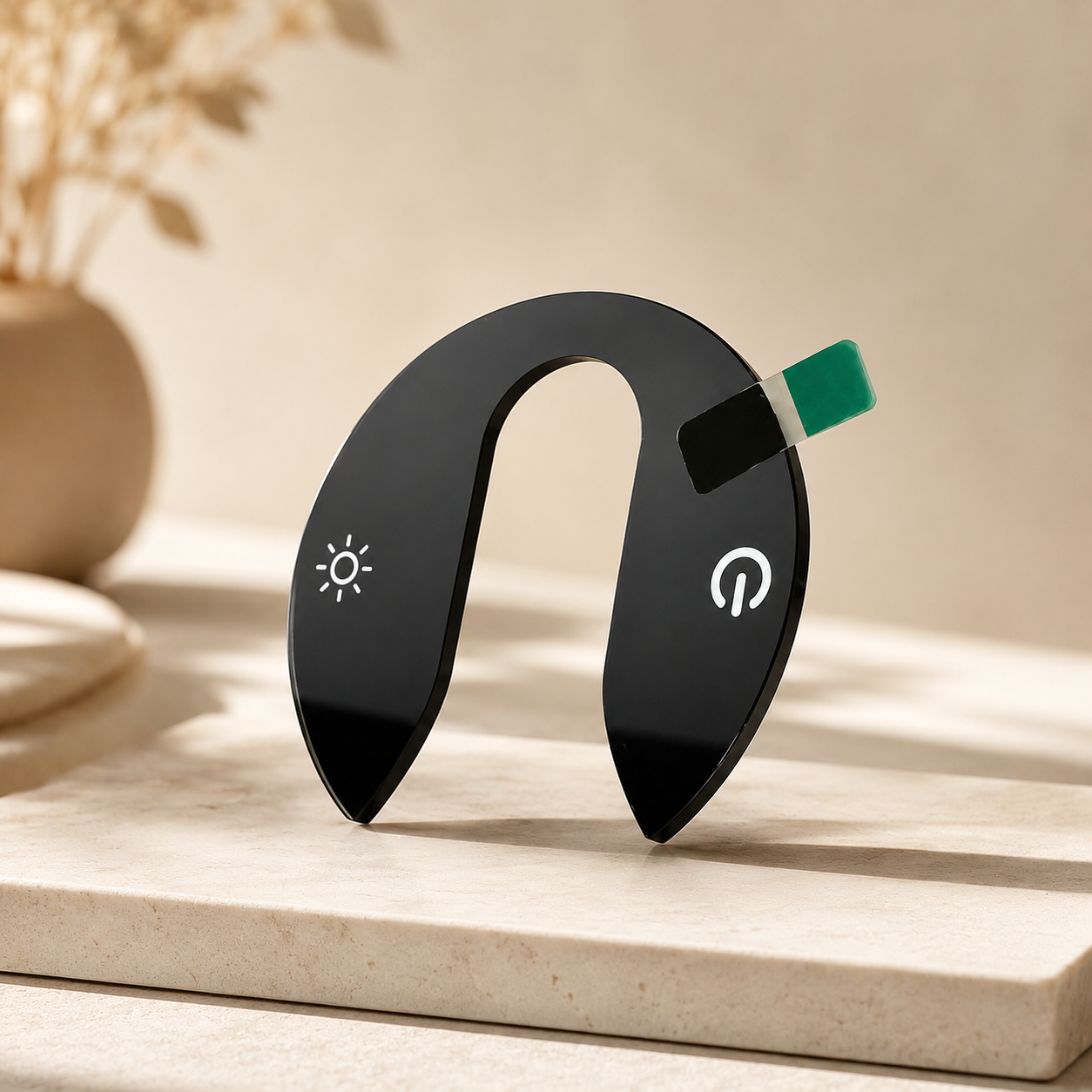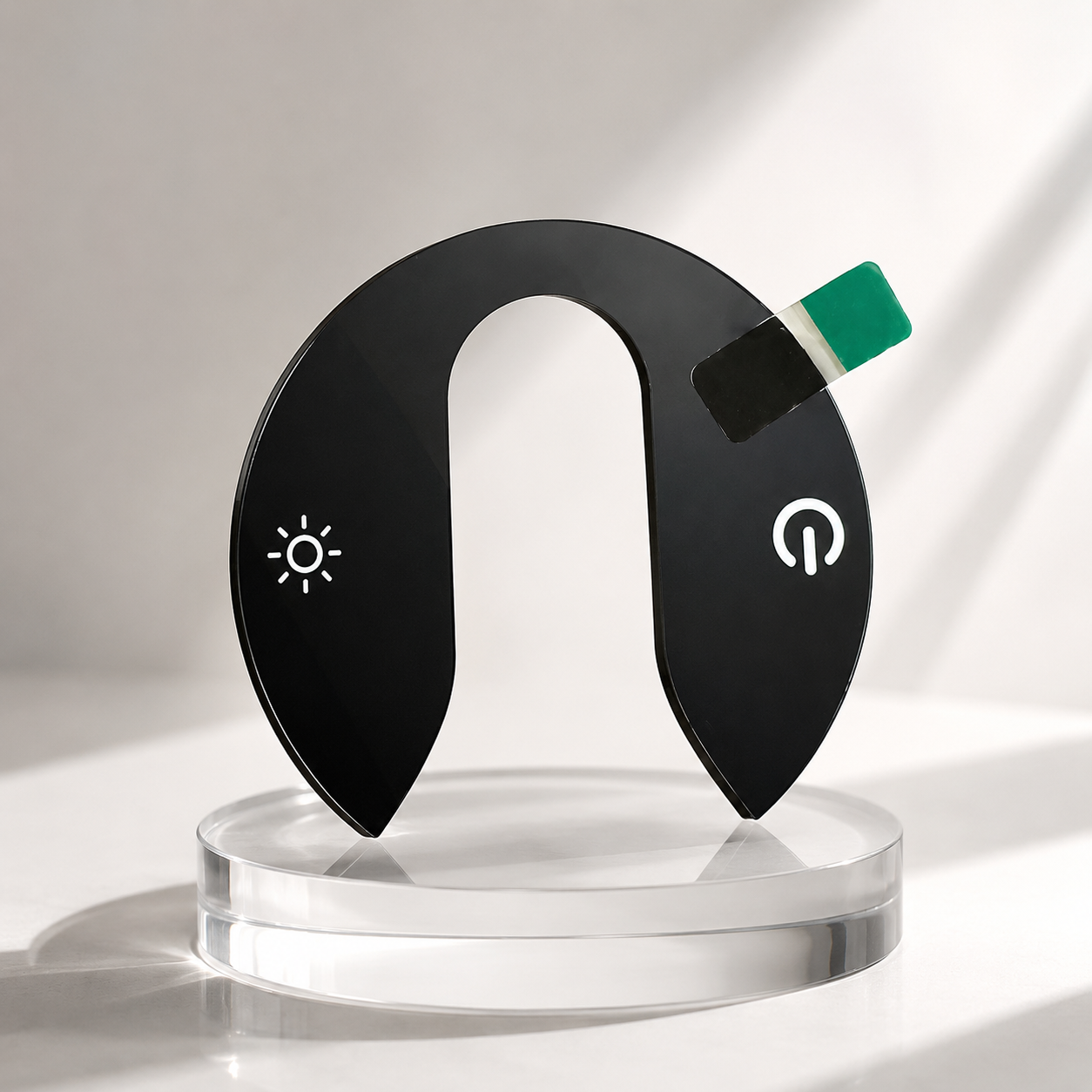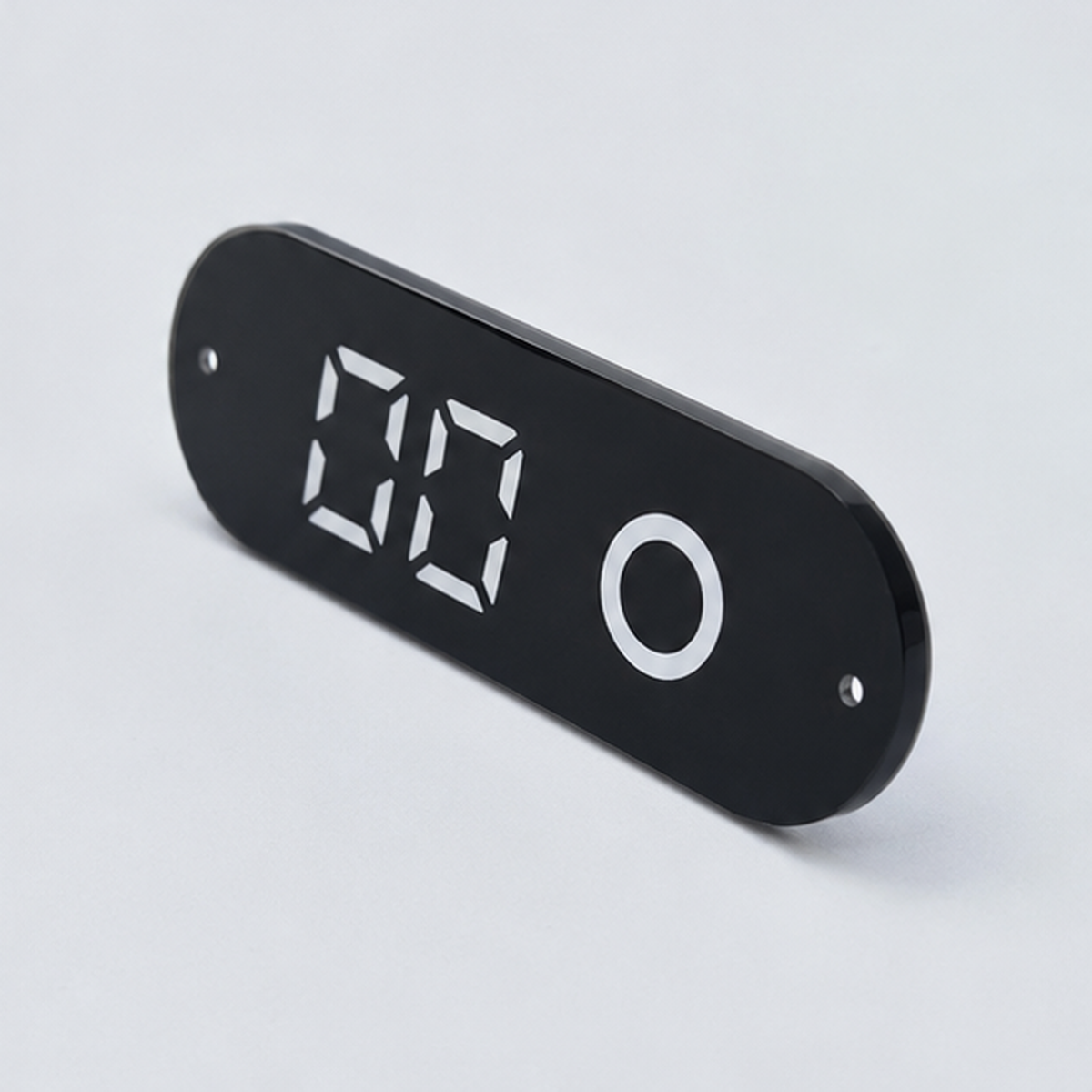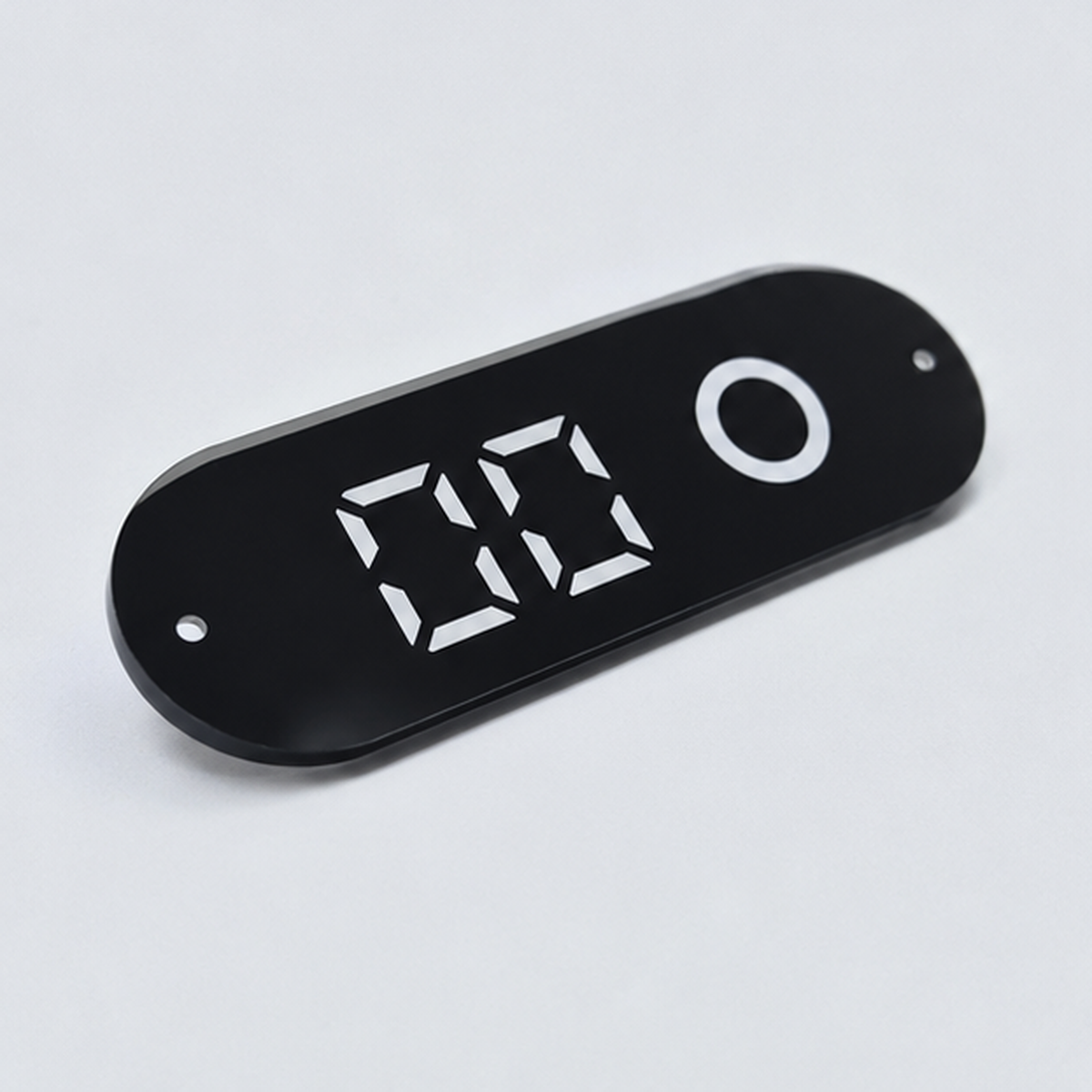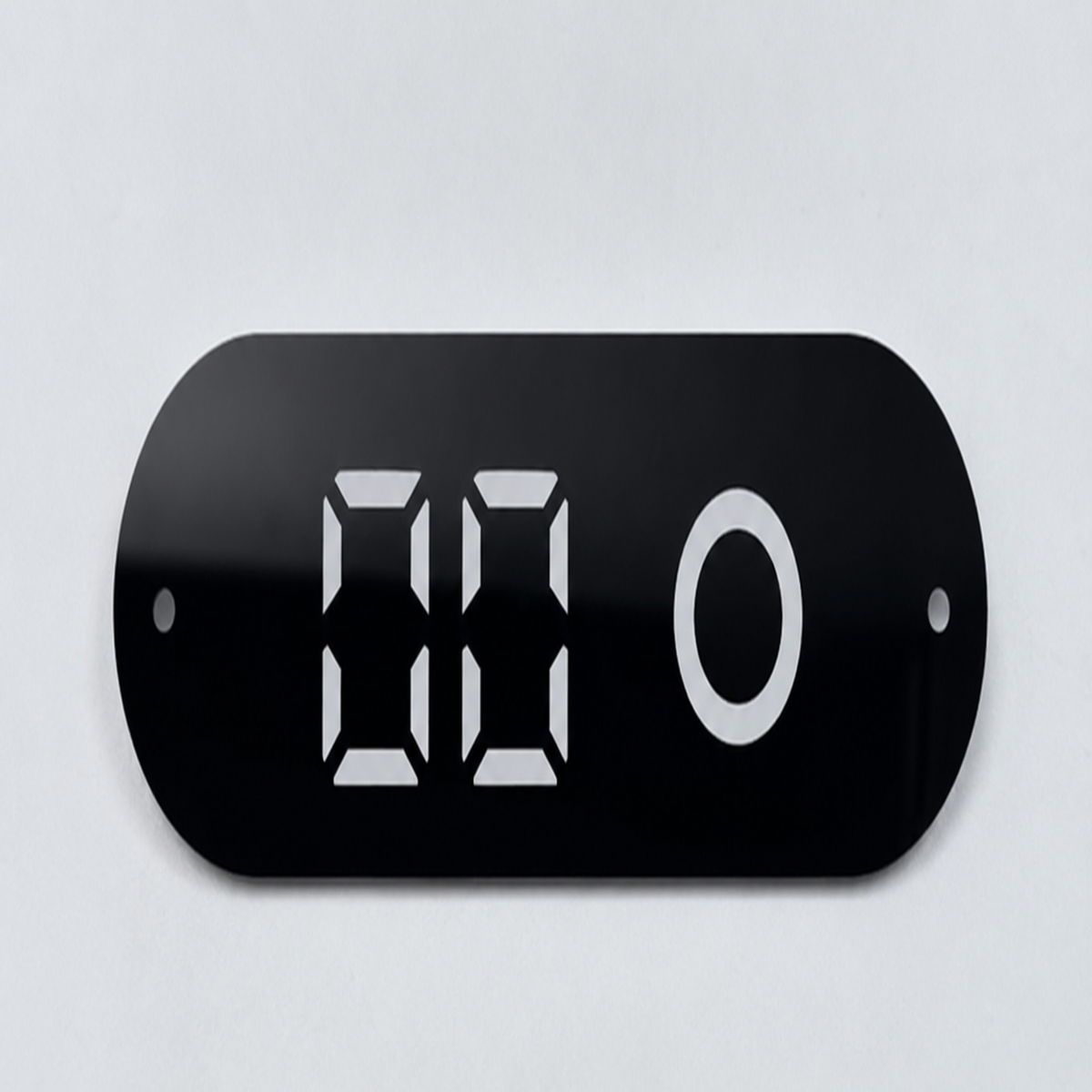
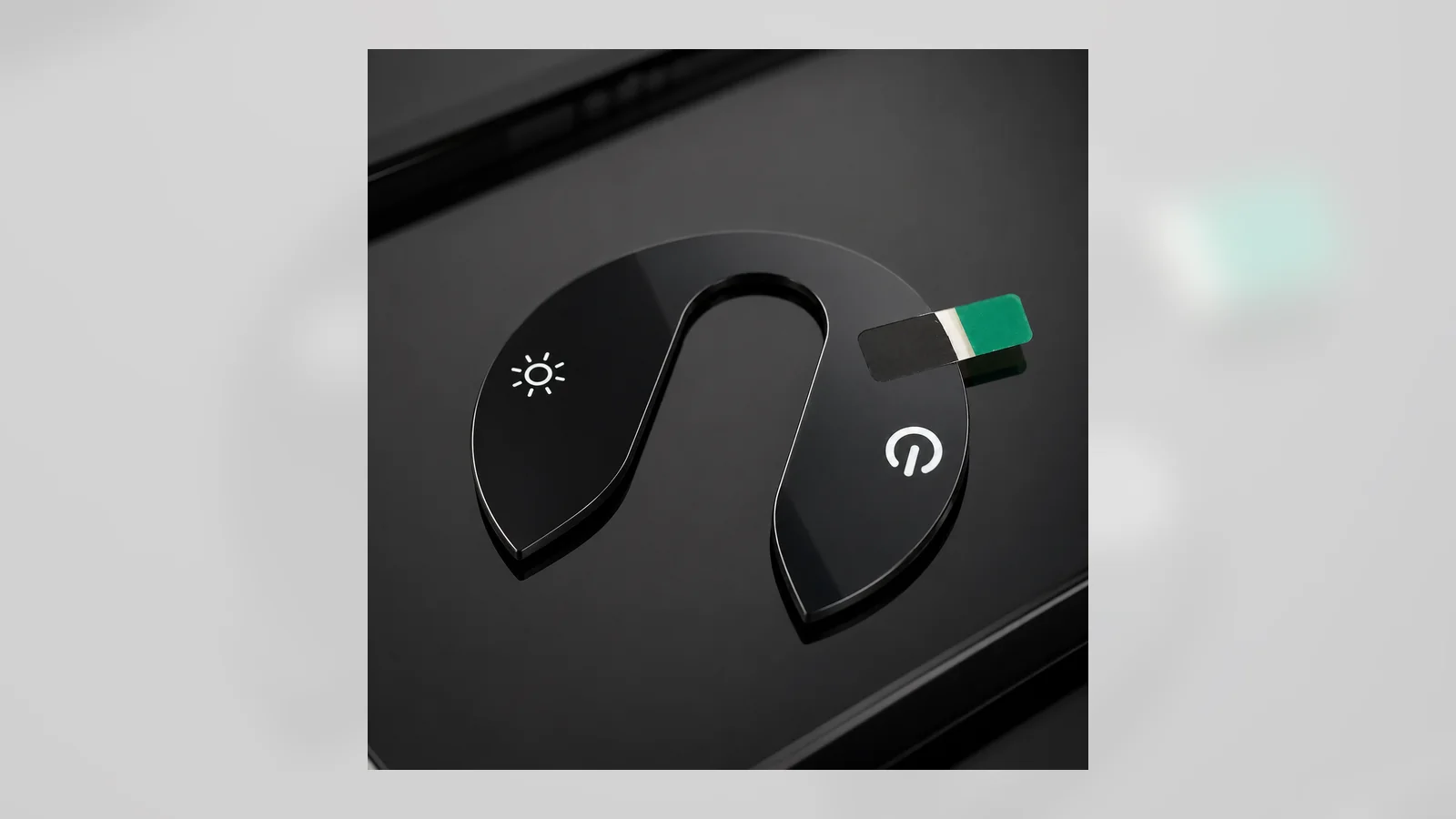
Direct answer: A smoked lens must be evaluated in two states: the powered-off appearance and the powered-on readability. Lens tint alone cannot predict performance without the display, brightness, gap, mask, and ambient-light conditions.
Define both visual states
In standby, the buyer may want the lens to hide the display structure and blend with the housing. When powered on, digits, icons, or indicators must remain readable at the intended distance and angle.
These goals compete. A darker lens can improve concealment but reduce emitted light, so the acceptable balance must be approved on the actual system.
Control the variables
| Variable | Why it matters |
|---|---|
| Display color and spectrum | Red, blue, green, white, and multicolor sources interact differently with tint |
| Brightness and dimming | Readability must work at operating settings, not only maximum output |
| Lens material and thickness | Affect transmission, haze, color, and mechanical behavior |
| Air gap and viewing angle | Change parallax, reflections, and visible bezel |
| Mask and housing | Control stray light and powered-off concealment |
| Ambient light | Bright retail, office, vehicle, and dark-room conditions differ |
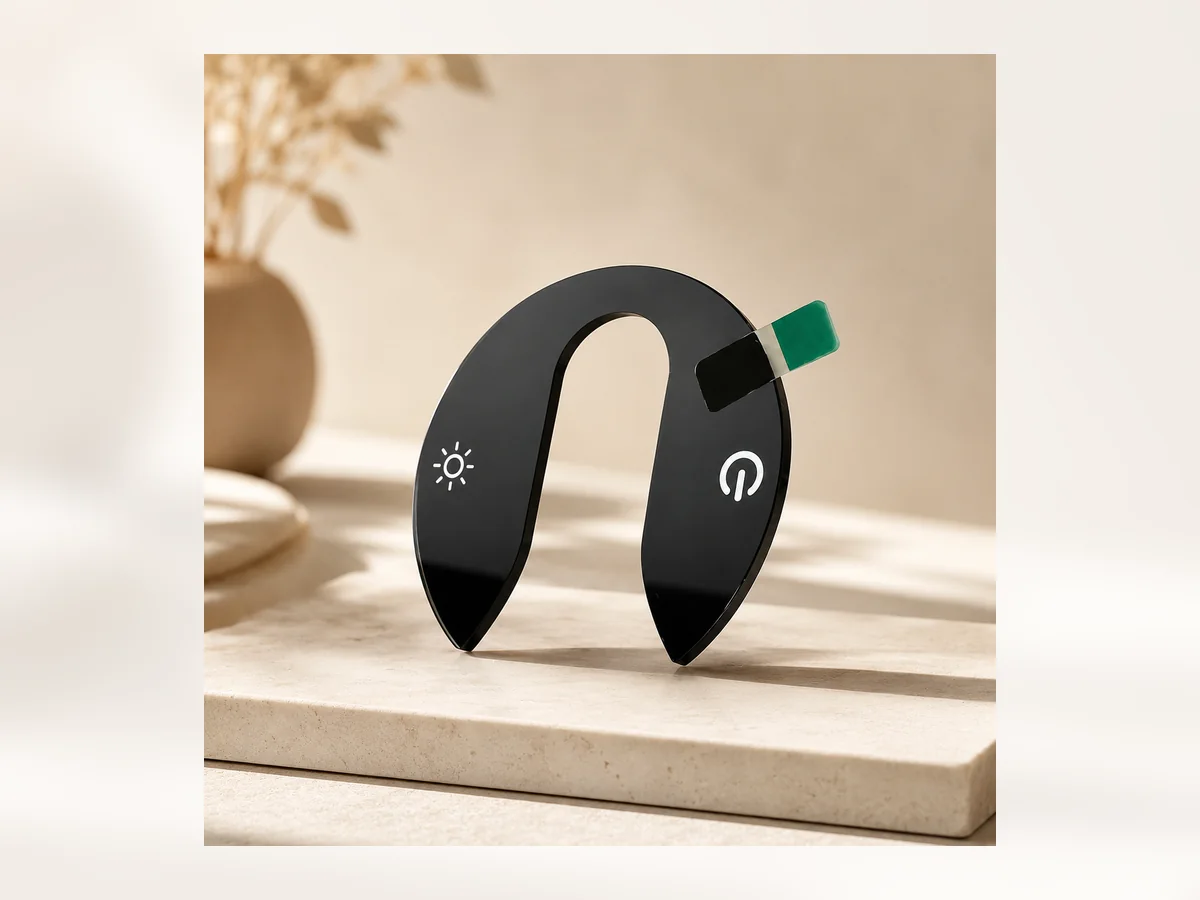
Use measurements with visual approval
Haze and luminous transmittance can support a controlled specification. ASTM D1003 covers measurement of haze and luminous transmittance for transparent plastics, but the buyer and supplier must agree the material, specimen, method, and limits.
Measurements do not replace powered-on evaluation. Photographing a display can also mislead because camera exposure and white balance change the apparent brightness and color.
Evaluate the full operating envelope
Test minimum and maximum brightness, each display color, normal and oblique viewing angles, powered-off appearance, and expected ambient lighting. If the product uses automatic dimming, include those modes.
Check for visible internal components, hot spots, ghost segments, light leakage, reflections, and color shift. Record the lens sample, display settings, gap, housing, and lighting so the result can be repeated.
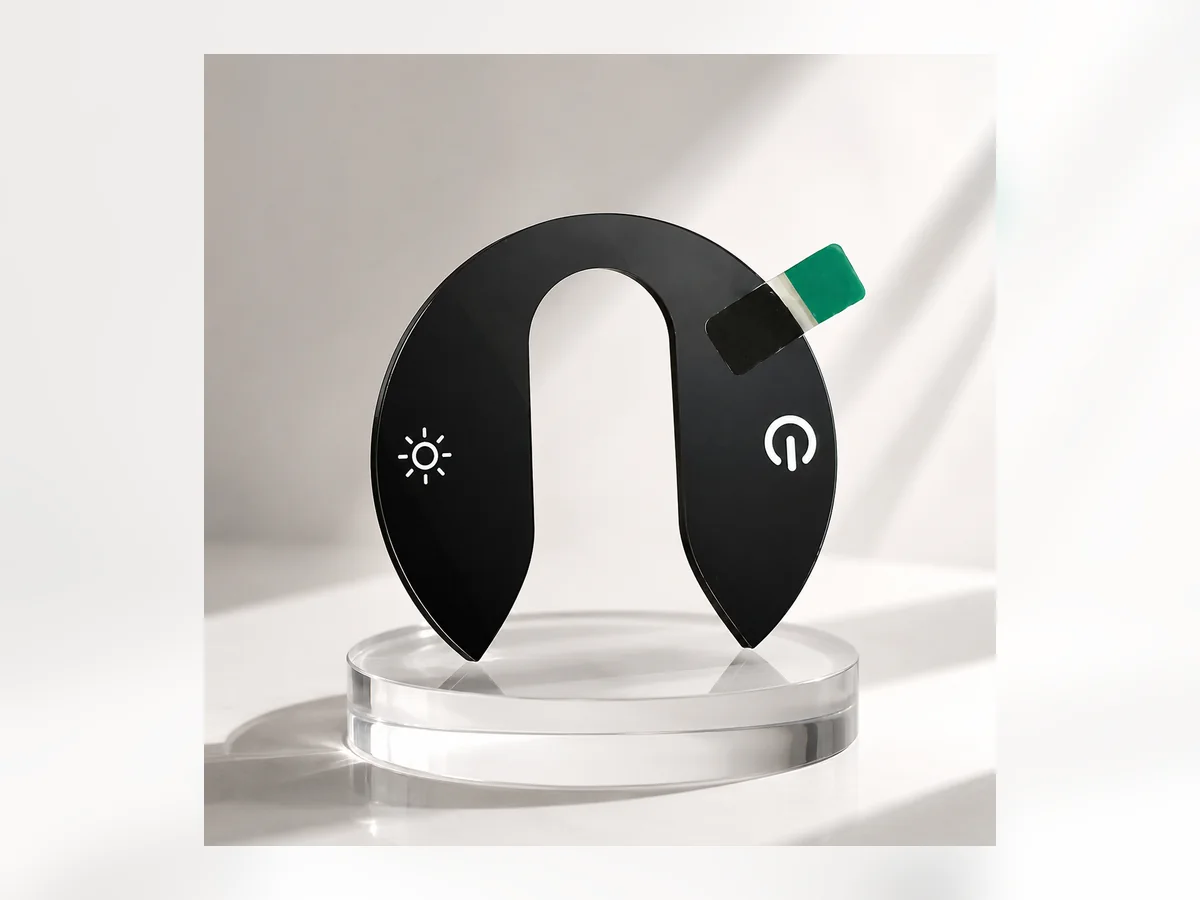
Approve a physical optical reference
Use a controlled lens sample or assembled unit as the appearance reference when possible. The specification should identify material, thickness, tint, coating, print mask, and exposed face.
The site's PC semi-transparent display lens and acrylic 8-segment lens provide two current product references; final optical performance must be confirmed with the buyer's display.
Buyer FAQ
Can a lens look black when off and bright when on?
It can be designed toward that balance, but the result depends on tint, thickness, display output, mask, gap, housing, and ambient light. Approve the assembled sample.
Is a transmission percentage enough to select the lens?
No. Transmission is useful but does not fully describe haze, color, reflections, mask behavior, or the powered-on visual result.
Should we send the actual display module?
An actual module or production-representative assembly is valuable when optical matching is critical. Confirm shipping and handling arrangements first.
Can one lens work with different LED colors?
Possibly, but each color and brightness setting should be evaluated. A tint optimized for one source may change another.
How do we specify the standby color?
Use a physical reference or an agreed measurable color target under defined lighting, together with material and thickness.
What if readability changes at an angle?
Record required viewing angles and test the complete stack. Gap, bezel geometry, display type, and lens properties may contribute.
Key takeaway
A smoked lens must be evaluated in two states: the powered-off appearance and the powered-on readability. Lens tint alone cannot predict performance without the display, brightness, gap, mask, and ambient-light conditions. Confirm every open point against the final specification and approved sample.
Send the project details for review
Provide the display type and colors, brightness range, lens material, dimensions, gap, viewing angles, ambient environment, custom mask, estimated quantity, packaging, destination, and delivery target.
Submit the project information through our contact page. Specifications, MOQ, price, sample timing, and production timing will be confirmed for the final project.