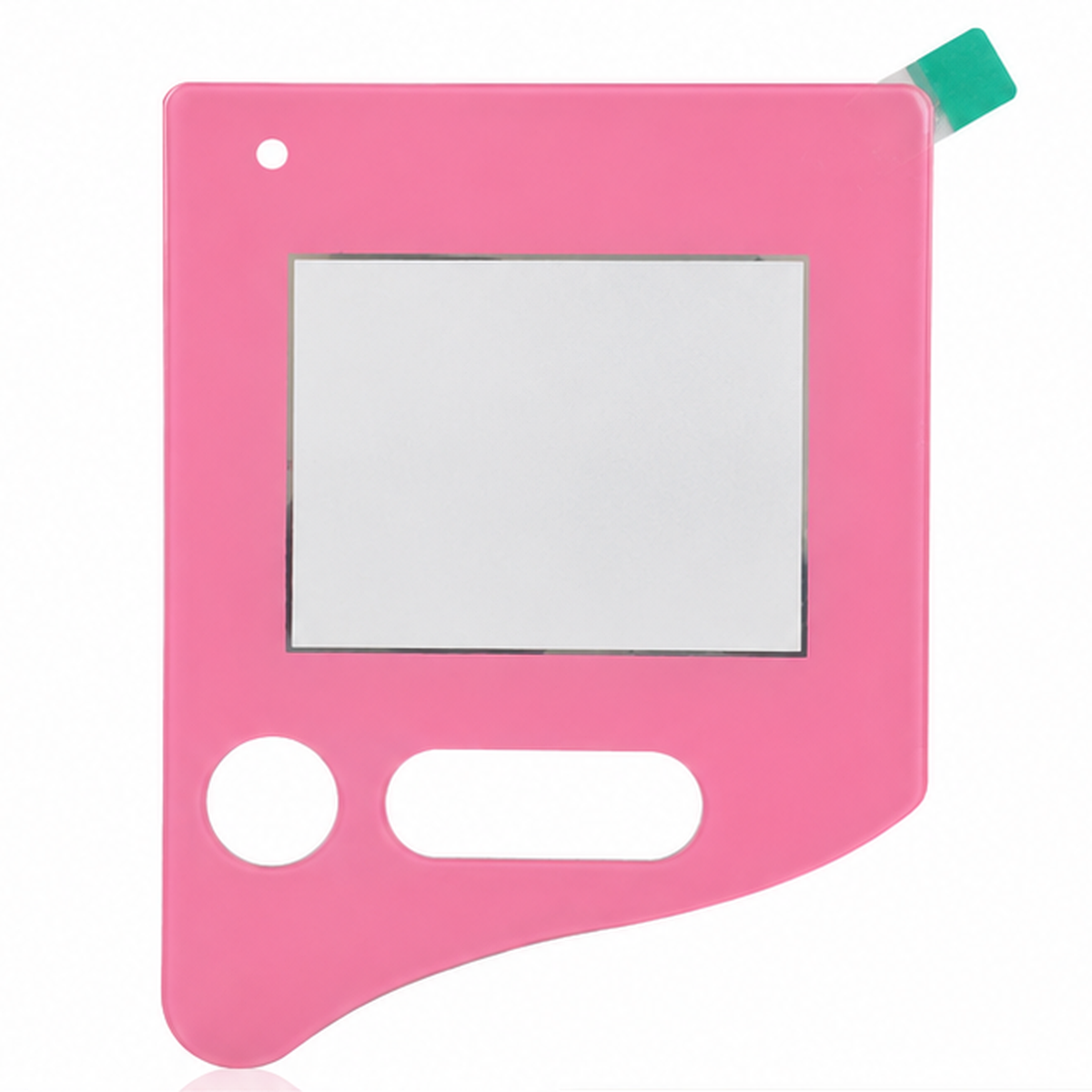
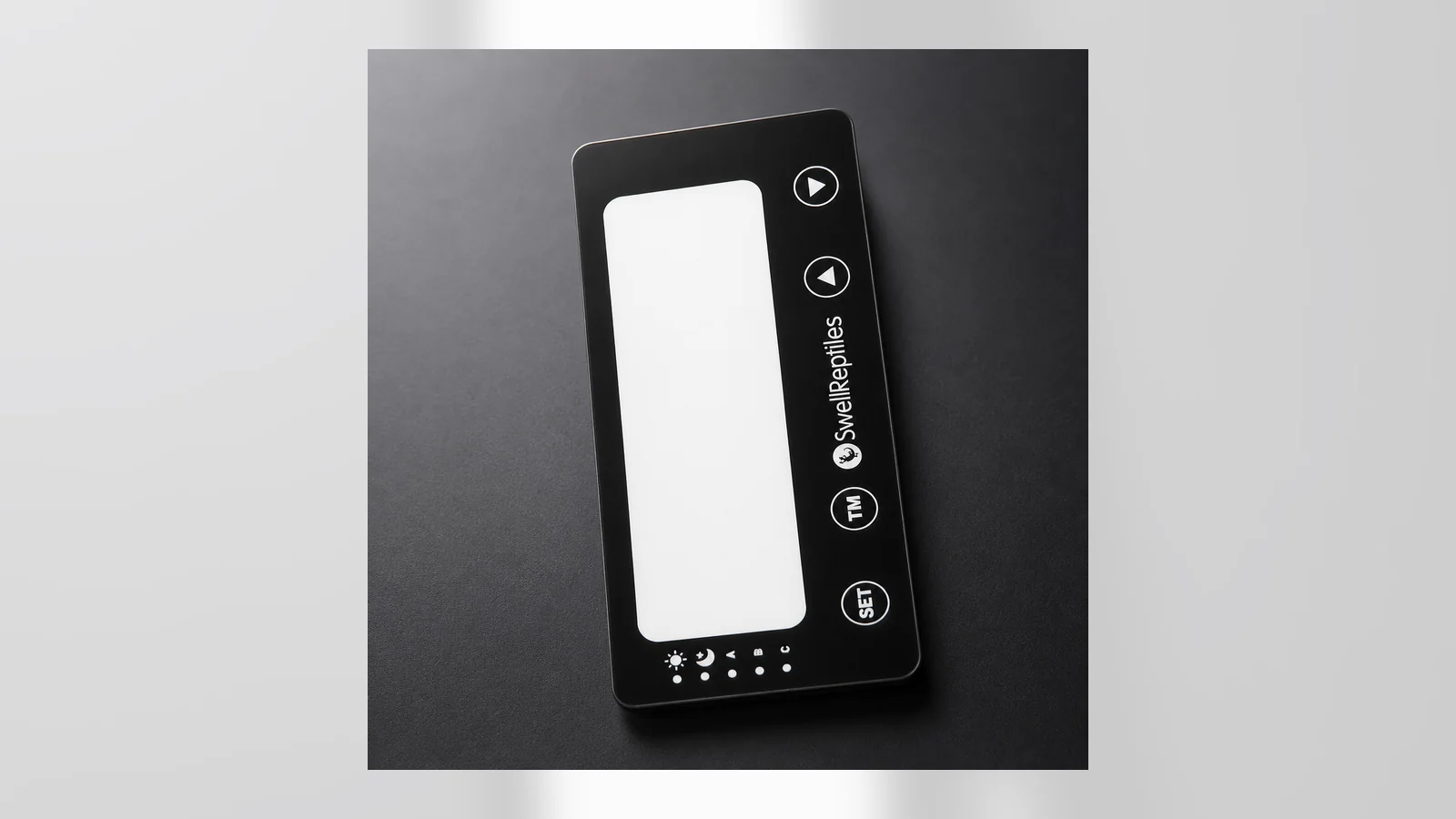
Direct answer: Choose PMMA, PC, or a PMMA+PC construction by ranking optical clarity, impact risk, surface durability, flexibility, thickness, forming, printing, adhesive, and cost constraints. No material is the default for every panel.
A practical comparison
| Decision factor | PMMA | PC | PMMA+PC construction |
|---|---|---|---|
| Typical design priority | Optical appearance and rigid surface | Toughness and flexibility | Balance of visible surface and backing performance |
| Impact discussion | Review brittleness and edge geometry | Often considered for higher impact exposure | Depends on layer structure and bonding |
| Surface discussion | Can provide a polished appearance; coatings may be specified | Surface protection or hard coating may be important | Visible PMMA layer may address surface priorities |
| Processing | CNC machining, polishing, printing | Die cutting, CNC work, printing, forming depending on grade | Confirm layer orientation and edge treatment |
Begin with the failure mode
Ask what would make the panel unacceptable: cracking during assembly, scratches in use, poor display readability, warping, ink wear, adhesive lift, or cosmetic mismatch. The dominant failure mode should guide the material conversation.
A display cover for a protected indoor instrument has a different risk profile from a frequently handled control overlay. Thickness and geometry can also change performance, so material names alone are not enough.
Optical values need a test definition
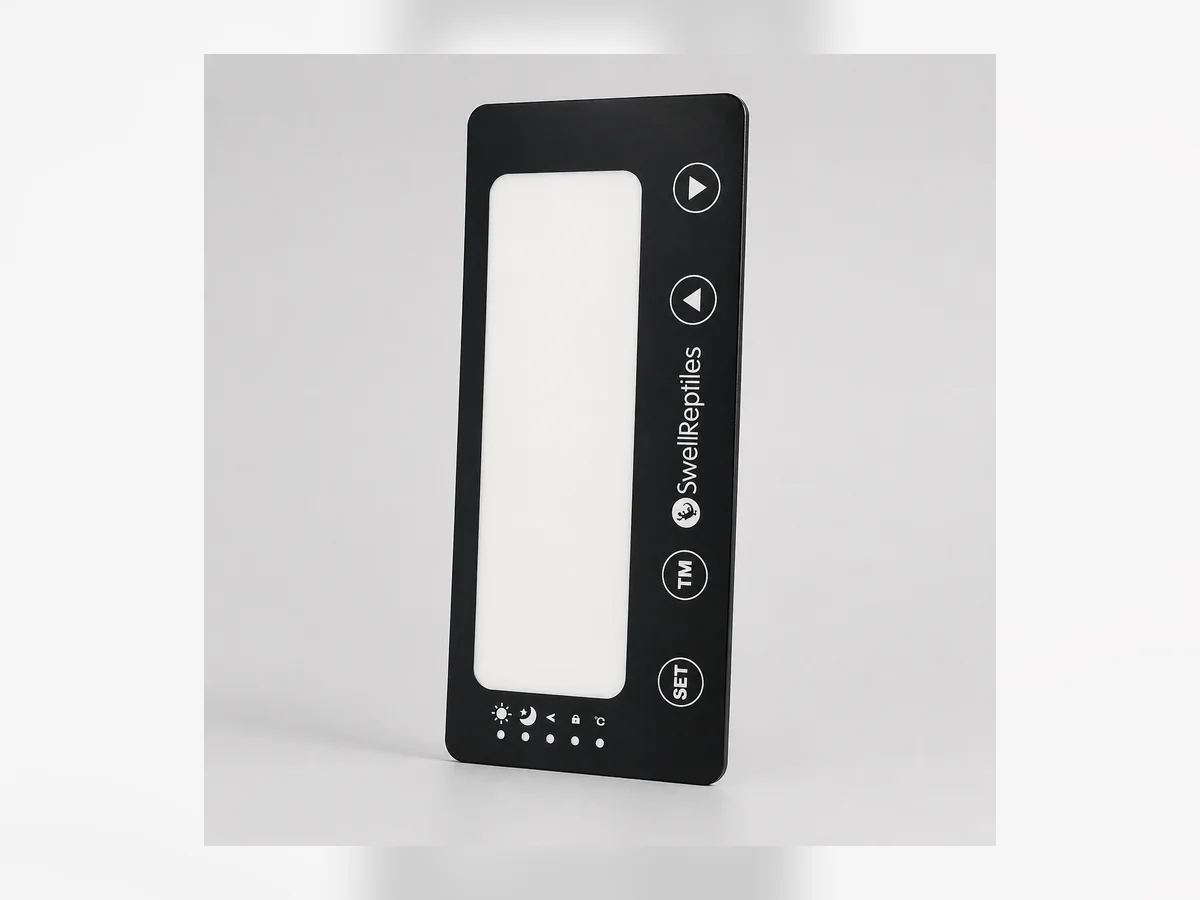
Terms such as clear, smoked, low haze, and high transmission must be converted into an agreed sample or measurable requirement. ASTM D1003 is an established method for haze and luminous transmittance of transparent plastics, but the test method, specimen, and acceptance values still need agreement.
For a smoked lens, evaluate the complete powered-on system. The same lens can appear different with another LED color, brightness, air gap, printed mask, or ambient light.
Surface durability is a system choice
A hard coating, anti-fingerprint treatment, protective film, or textured finish may be relevant, but each affects cost, appearance, print compatibility, and inspection. Confirm which face is exposed and which face carries printing or adhesive.
Cleaning chemistry is part of the requirement. The buyer should identify expected cleaners and contact conditions so compatibility can be reviewed for the final material and coating.
Use samples to close the trade-offs
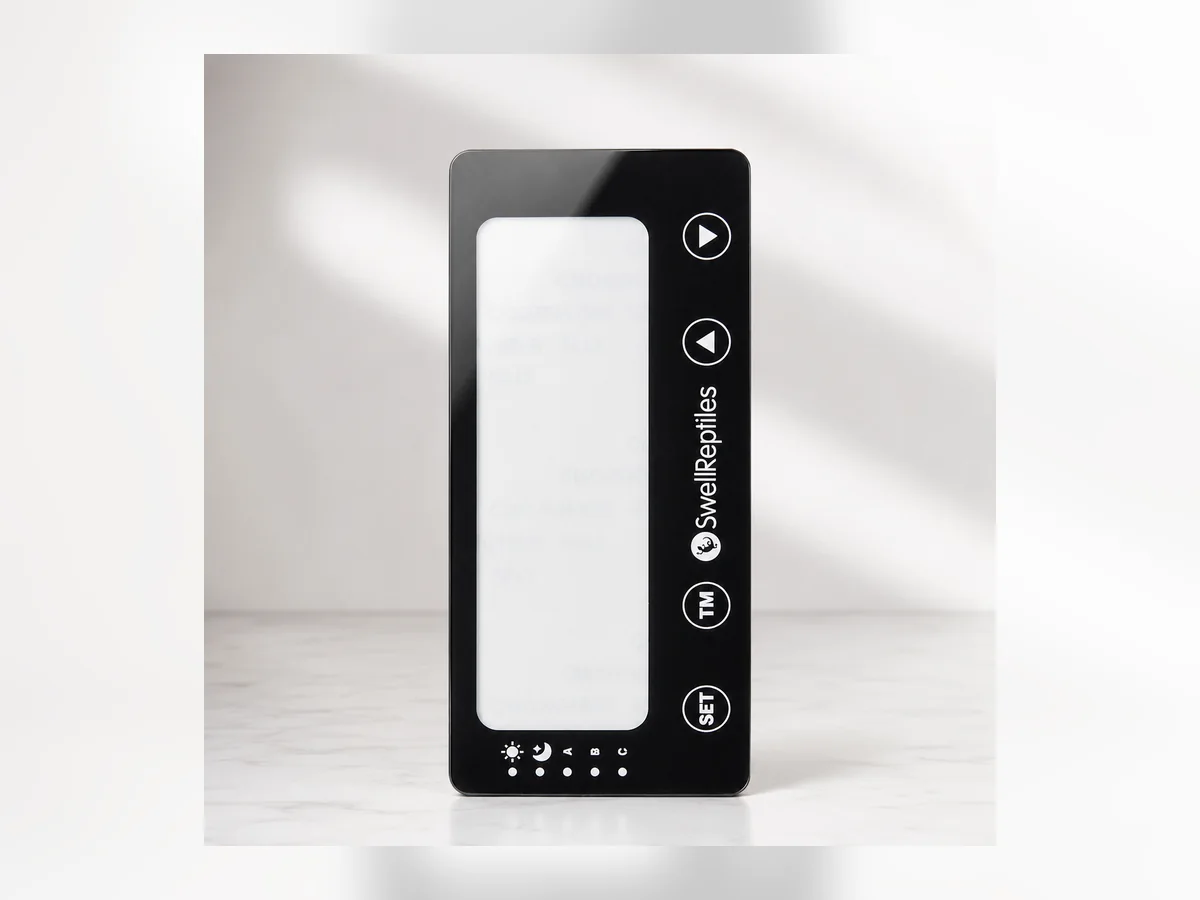
Review material coupons first when the main question is color, haze, gloss, or surface feel. Review a functional prototype when geometry, mounting, display performance, and handling interact.
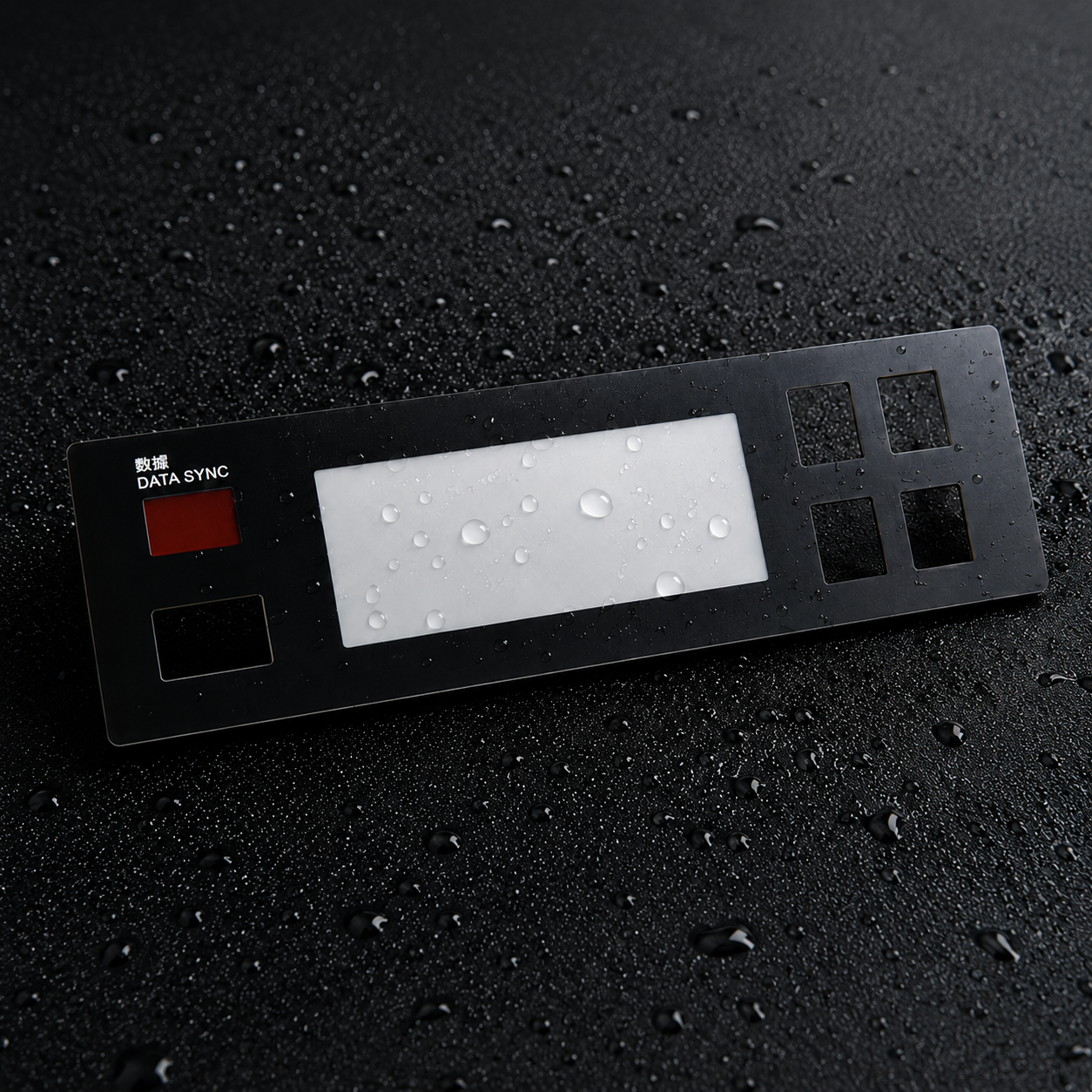
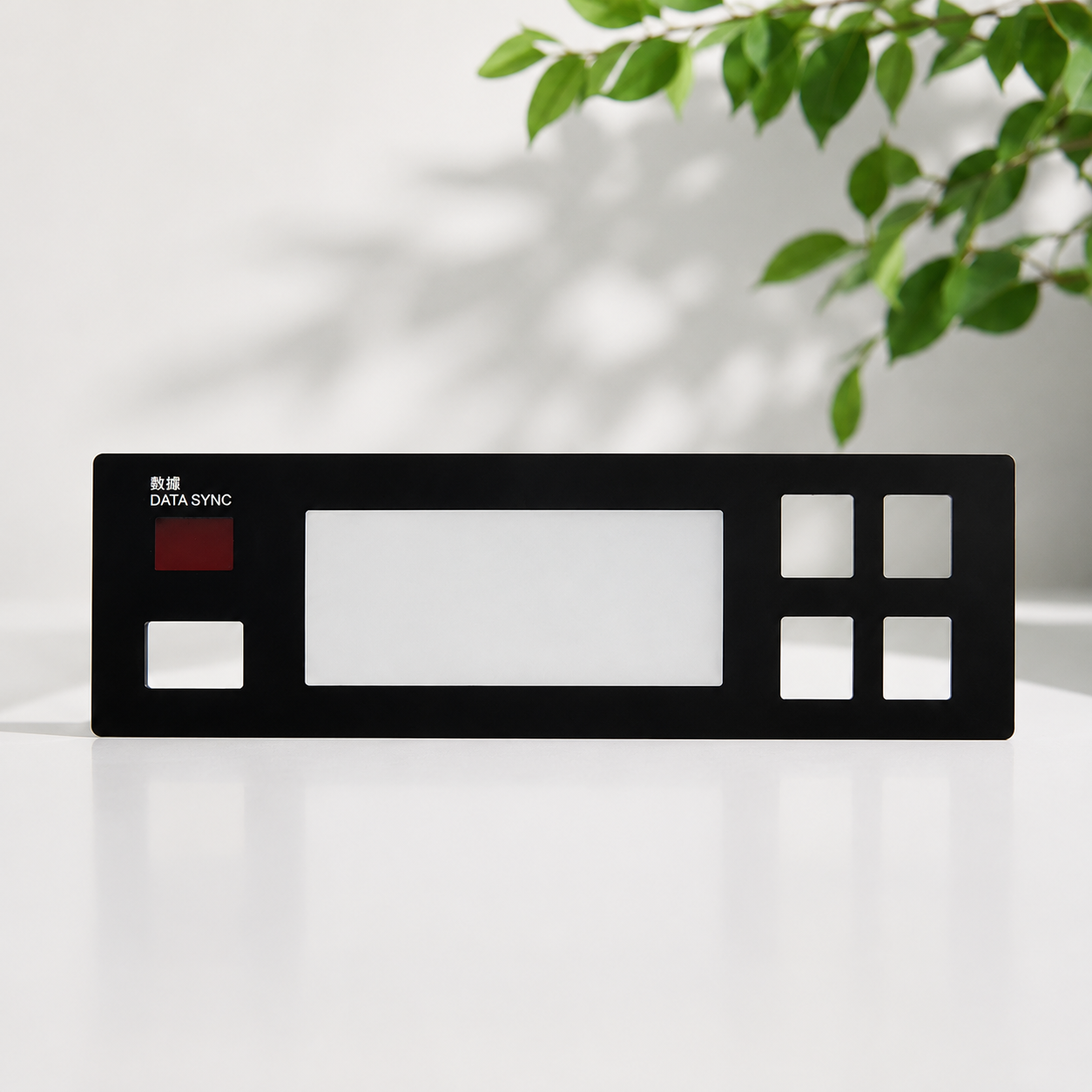
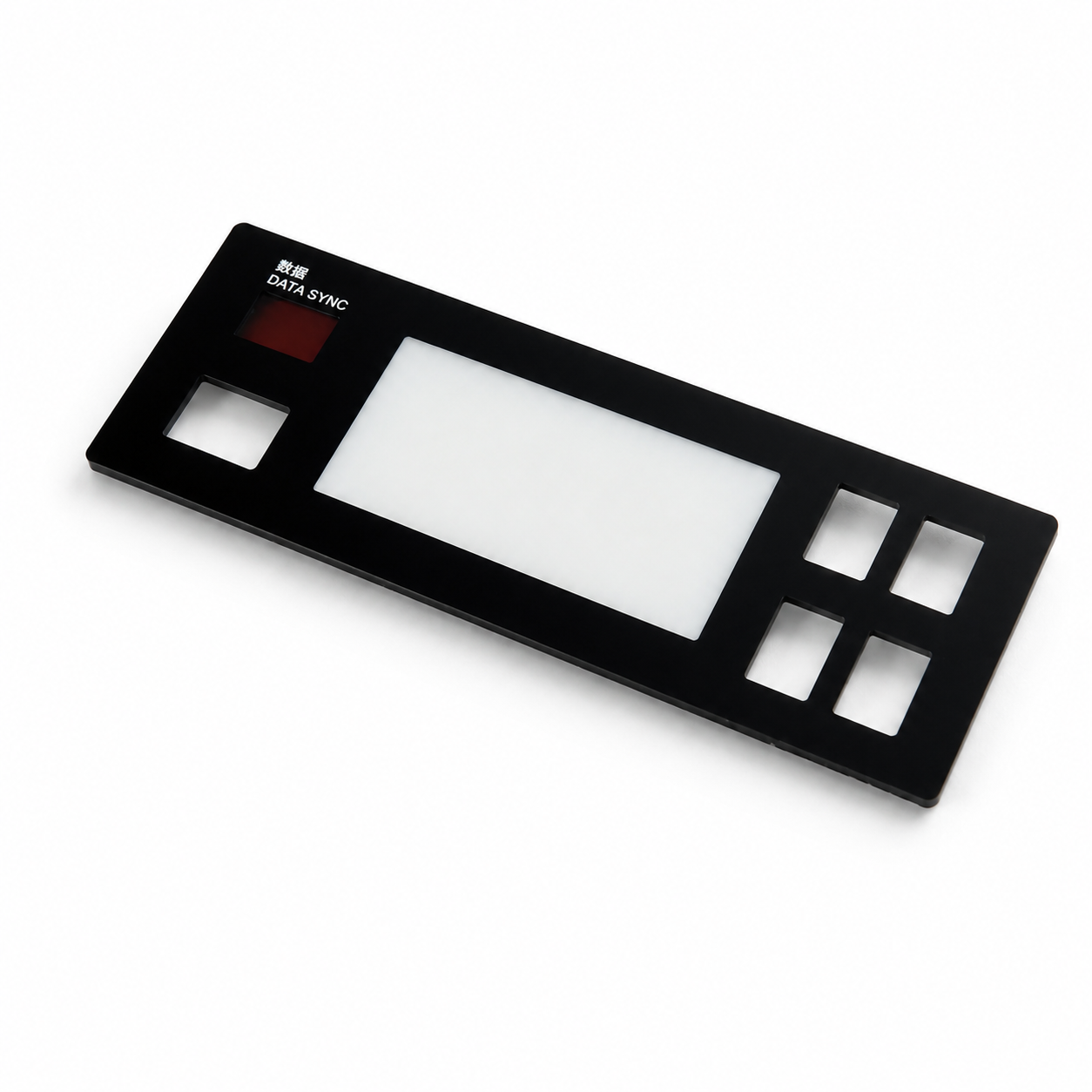
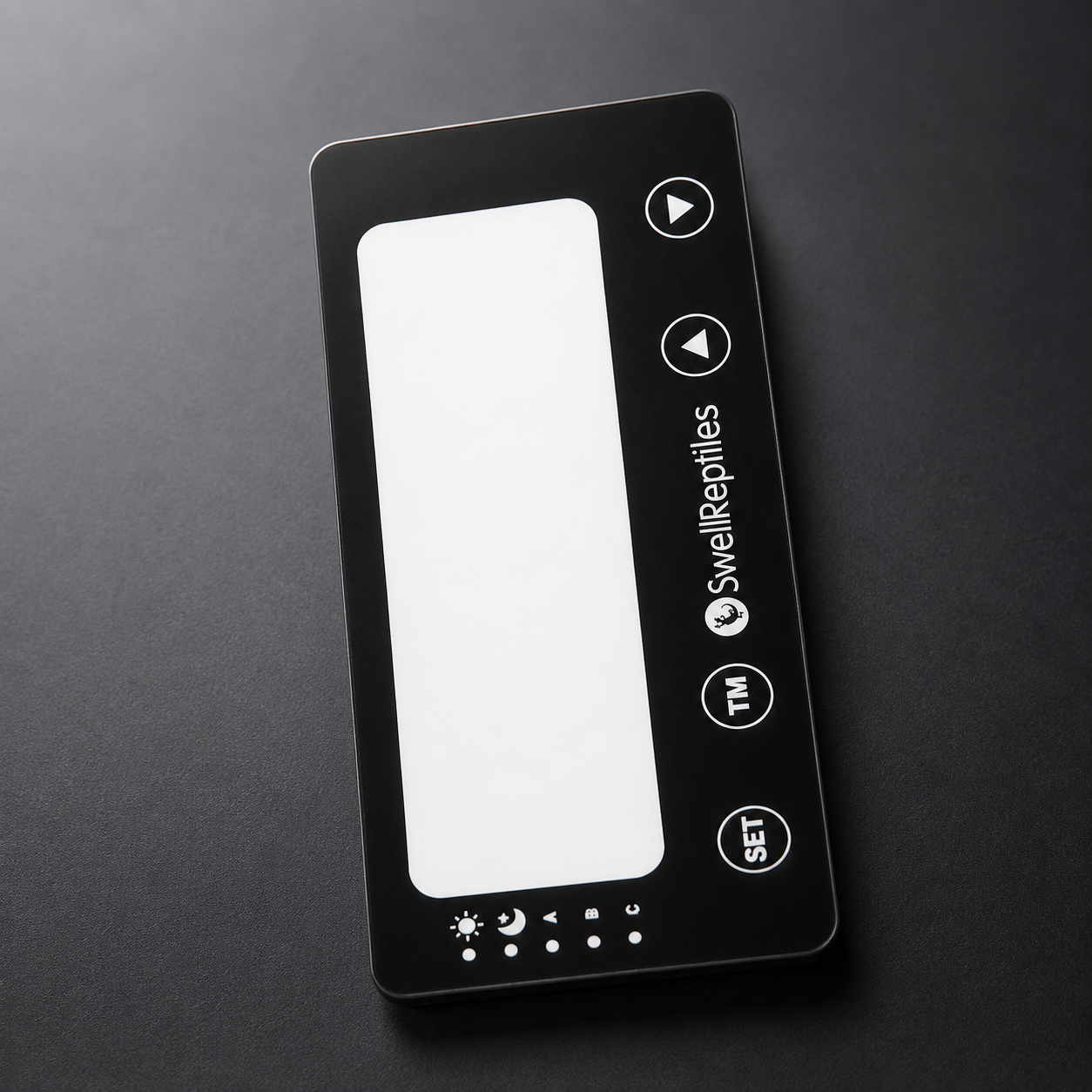
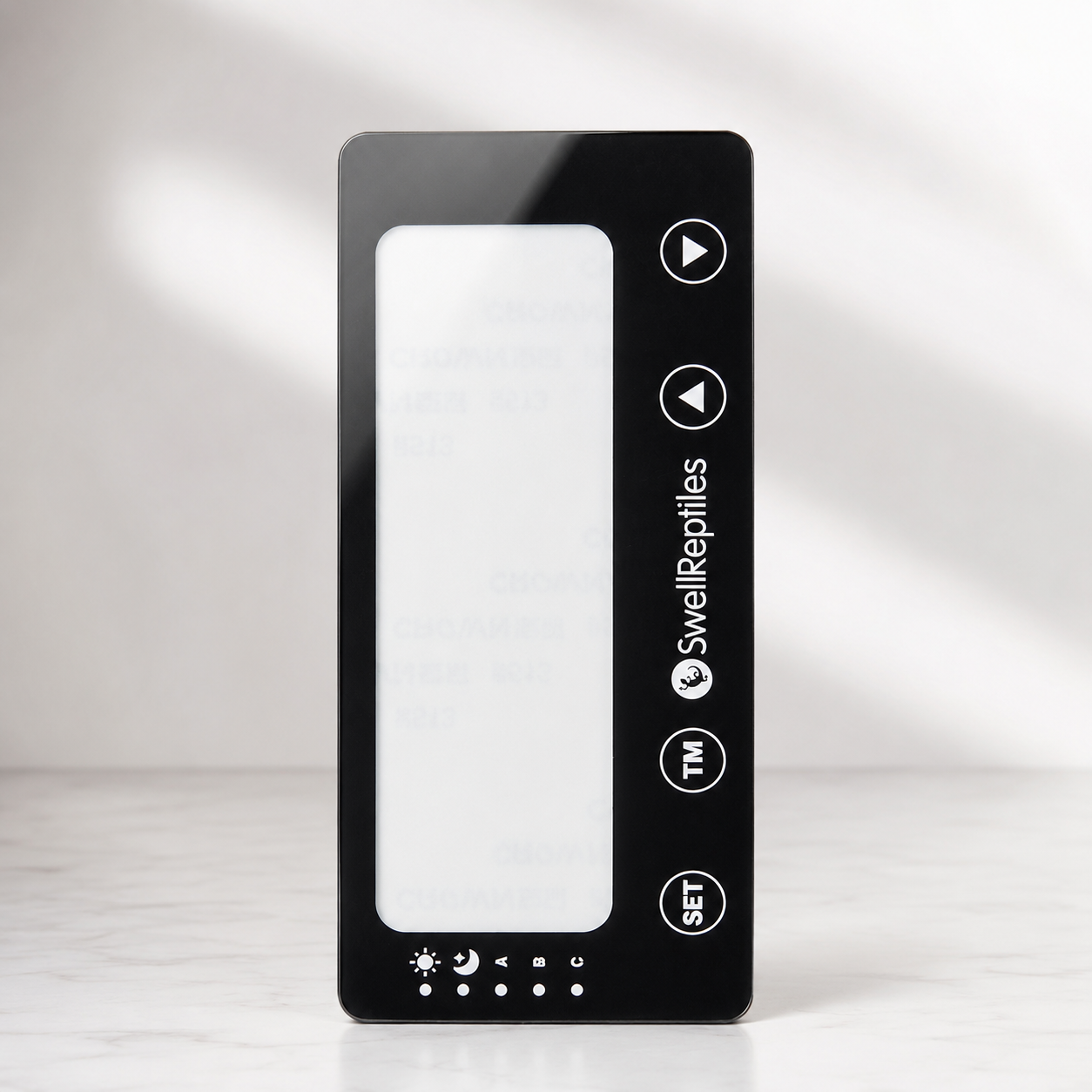
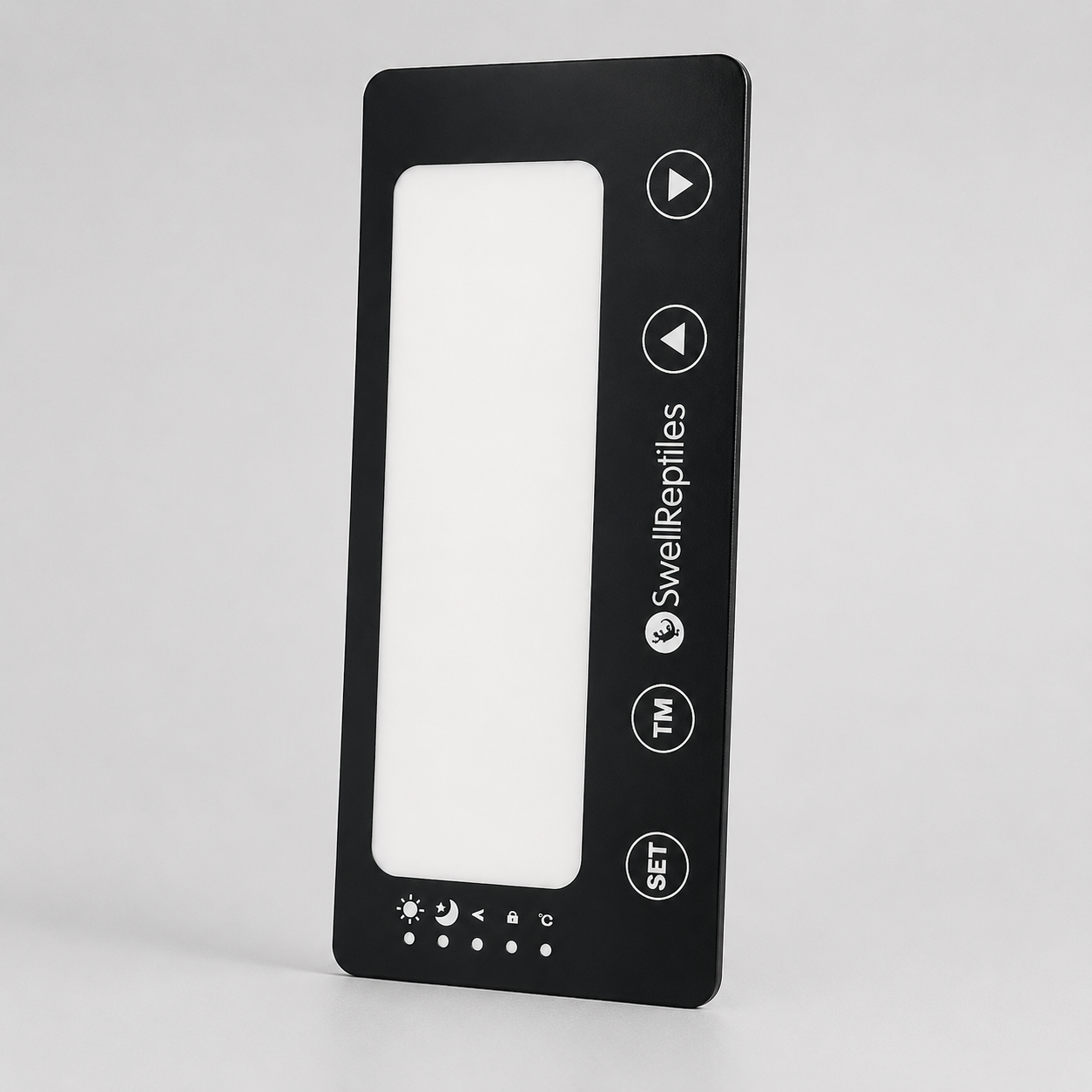
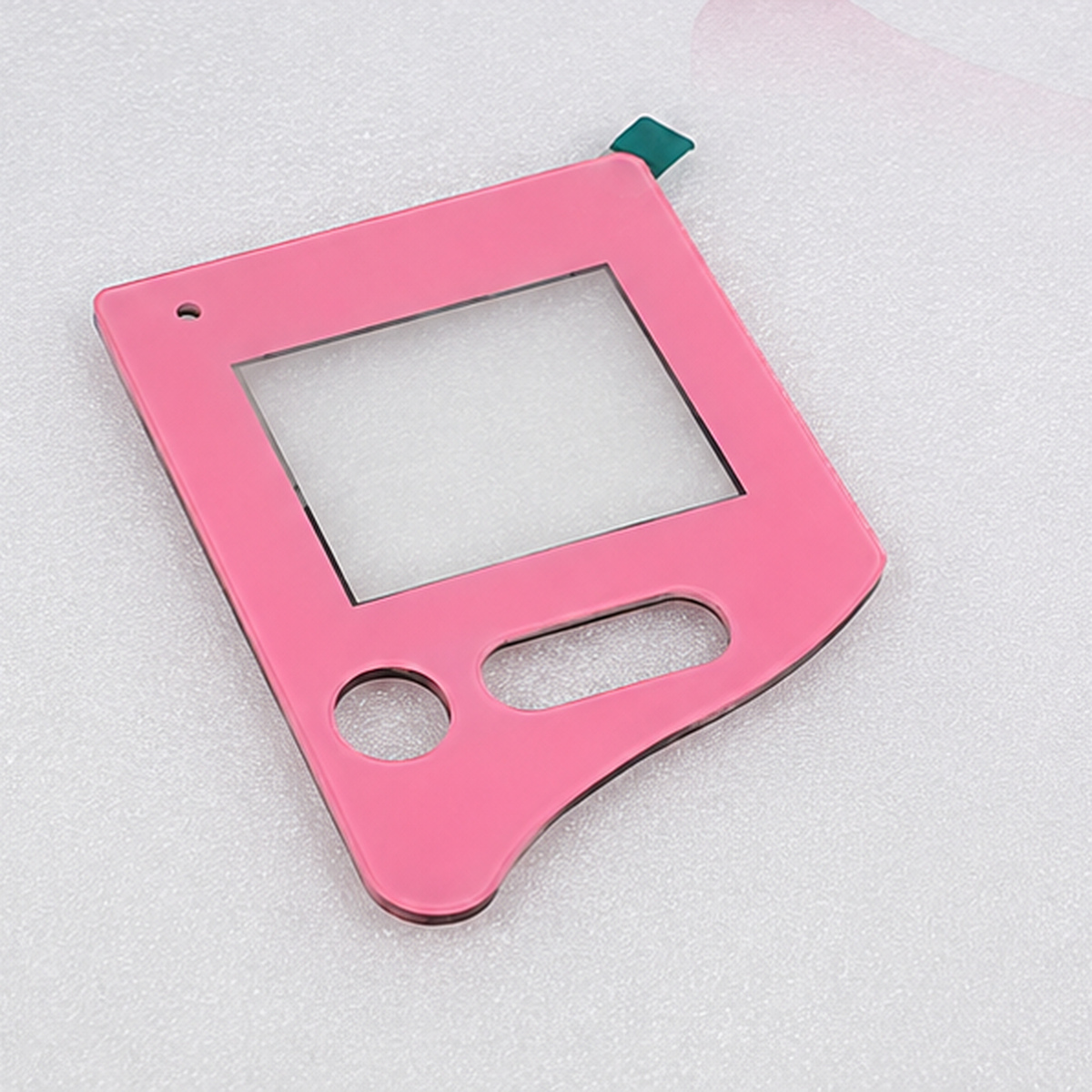
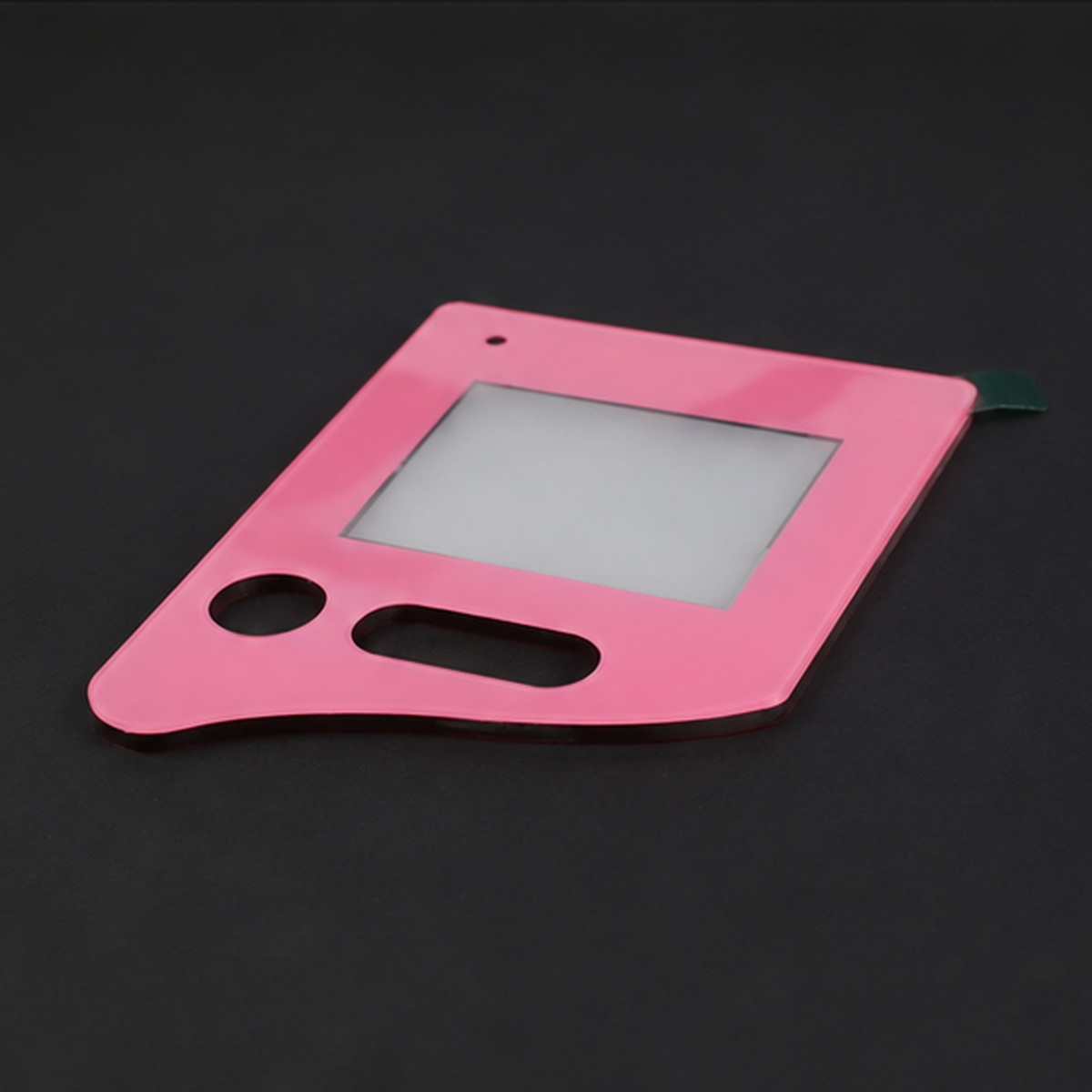
See the site's PMMA+PC composite panel and PC cover panel as examples of different design directions. Final performance must be confirmed against the buyer's specification.
Buyer FAQ
Is PMMA always clearer than PC?
Material grade, thickness, tint, texture, coating, and test method affect the result. Compare specified materials or approved samples rather than relying on a general statement.
Is PC unbreakable?
No plastic should be described as unbreakable. PC is selected for toughness in many applications, but geometry, stress, environment, and impact conditions still matter.
When does a composite panel make sense?
It may be considered when the project needs a different balance between the visible surface and the supporting layer. Confirm construction, bonding, edge finish, and test requirements.
Can both materials be screen printed?
Printing options are shown on the current site, but ink system, pretreatment, color, adhesion, and durability should be confirmed for the chosen grade and finish.
Does thicker always mean stronger?
Thickness can affect stiffness and impact behavior, but it also affects weight, fit, forming, optical appearance, and cost. Evaluate the complete geometry.
How should buyers approve color or tint?
Use a controlled physical sample under defined lighting and powered-on conditions when relevant. Record the material, thickness, ink stack, and revision.
Key takeaway
Choose PMMA, PC, or a PMMA+PC construction by ranking optical clarity, impact risk, surface durability, flexibility, thickness, forming, printing, adhesive, and cost constraints. No material is the default for every panel. Confirm every open point against the final specification and approved sample.
Send the project details for review
Send the application, preferred material or performance priorities, dimensions, exposure conditions, optical target, custom processing, estimated quantity, packaging, destination, and delivery requirement.
Submit the project information through our contact page. Specifications, MOQ, price, sample timing, and production timing will be confirmed for the final project.