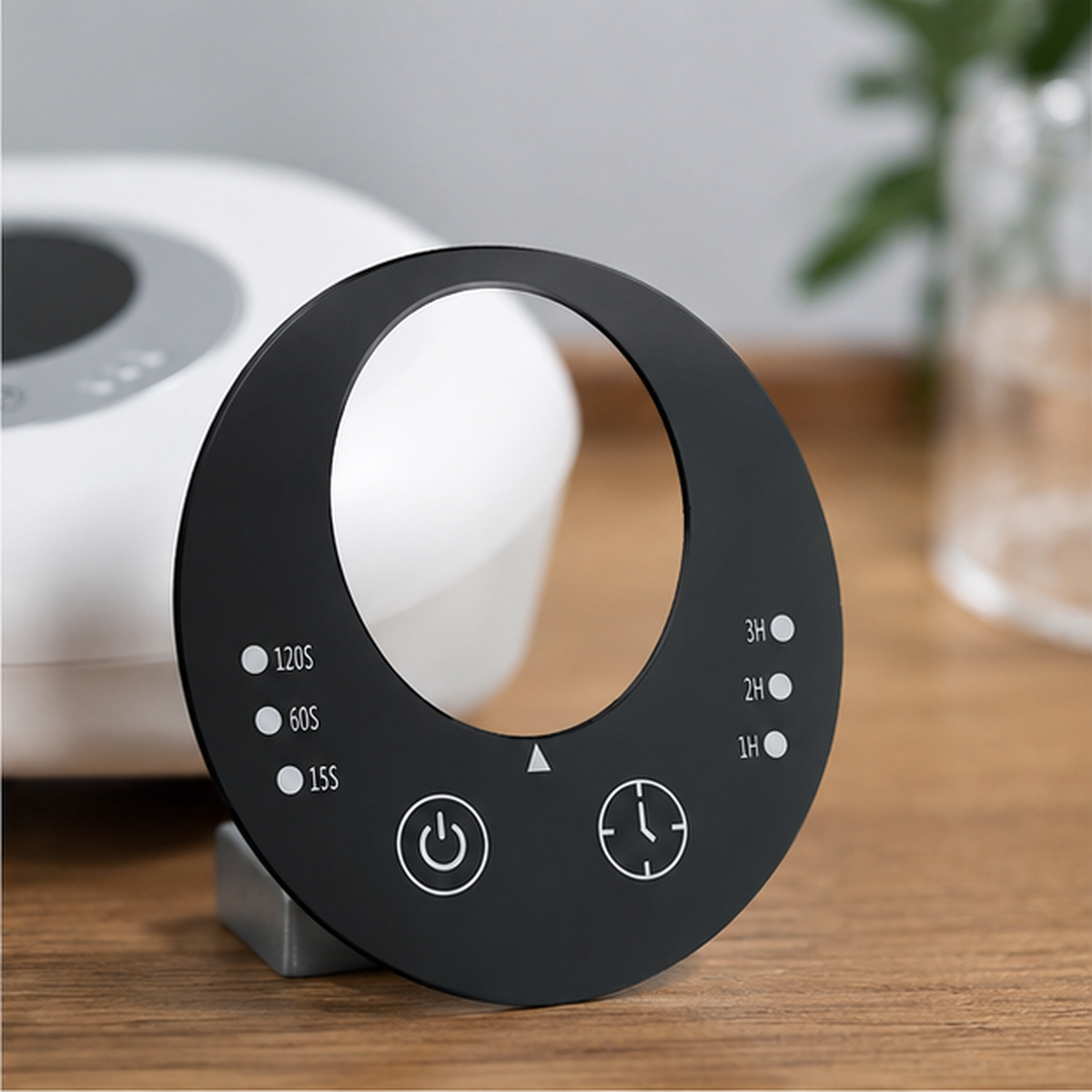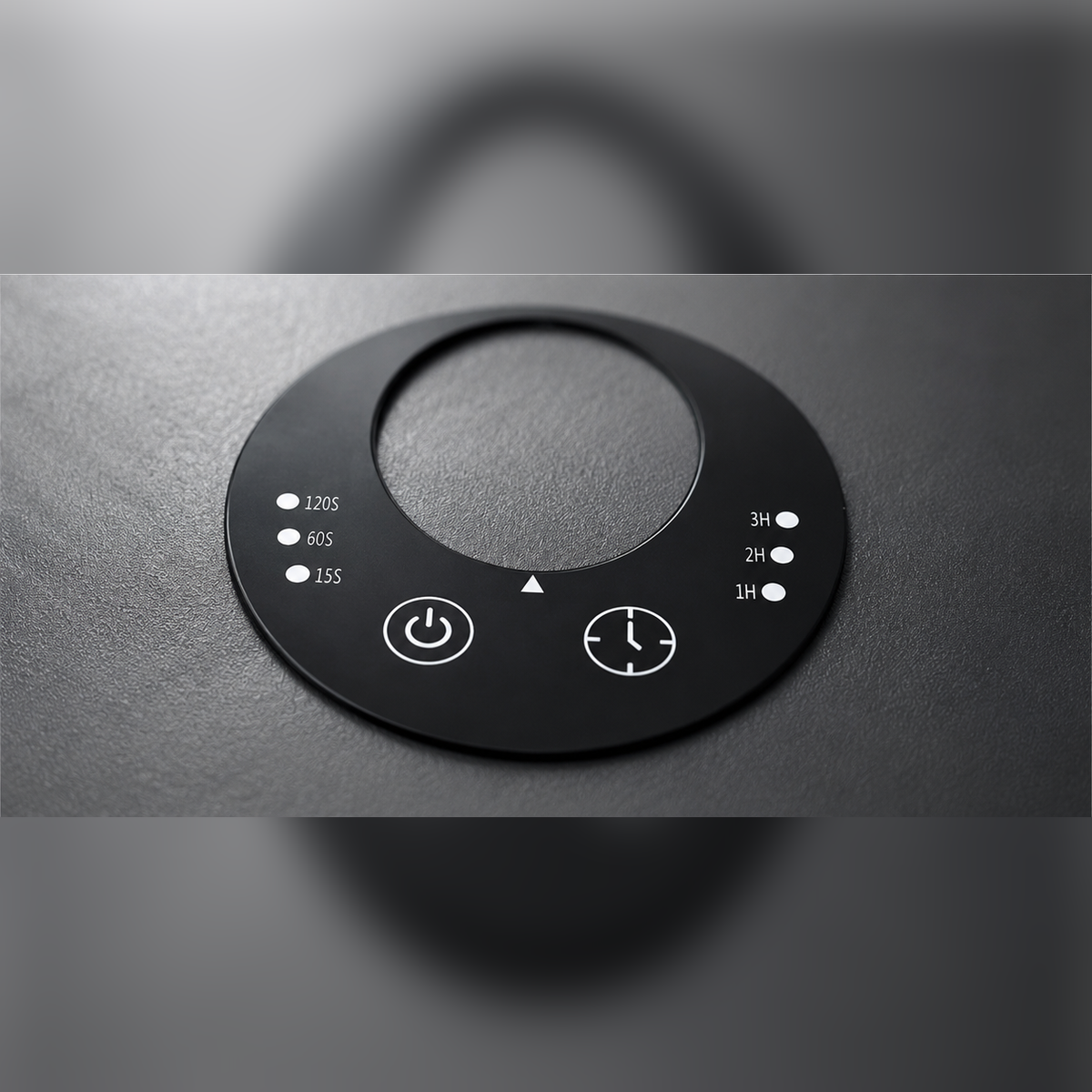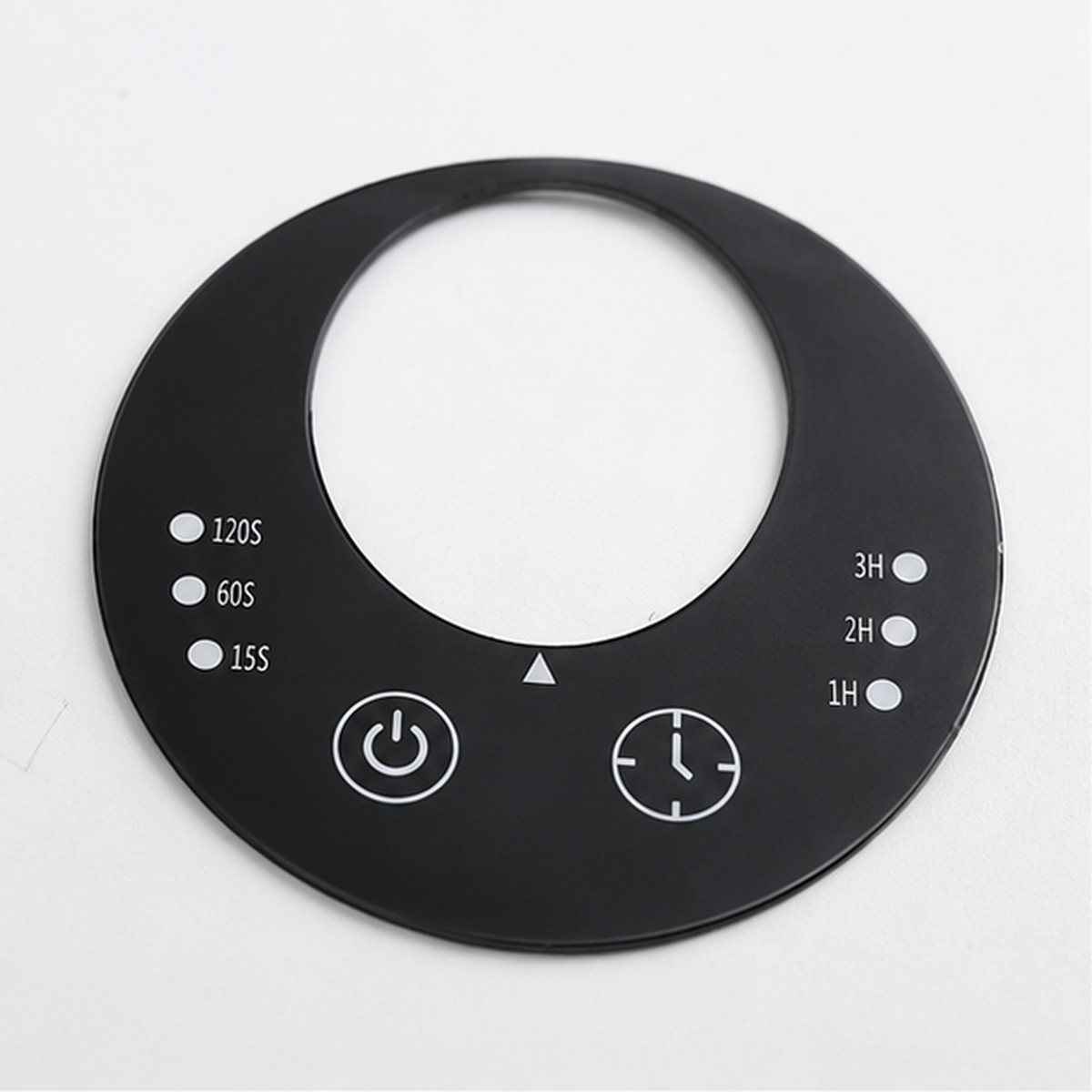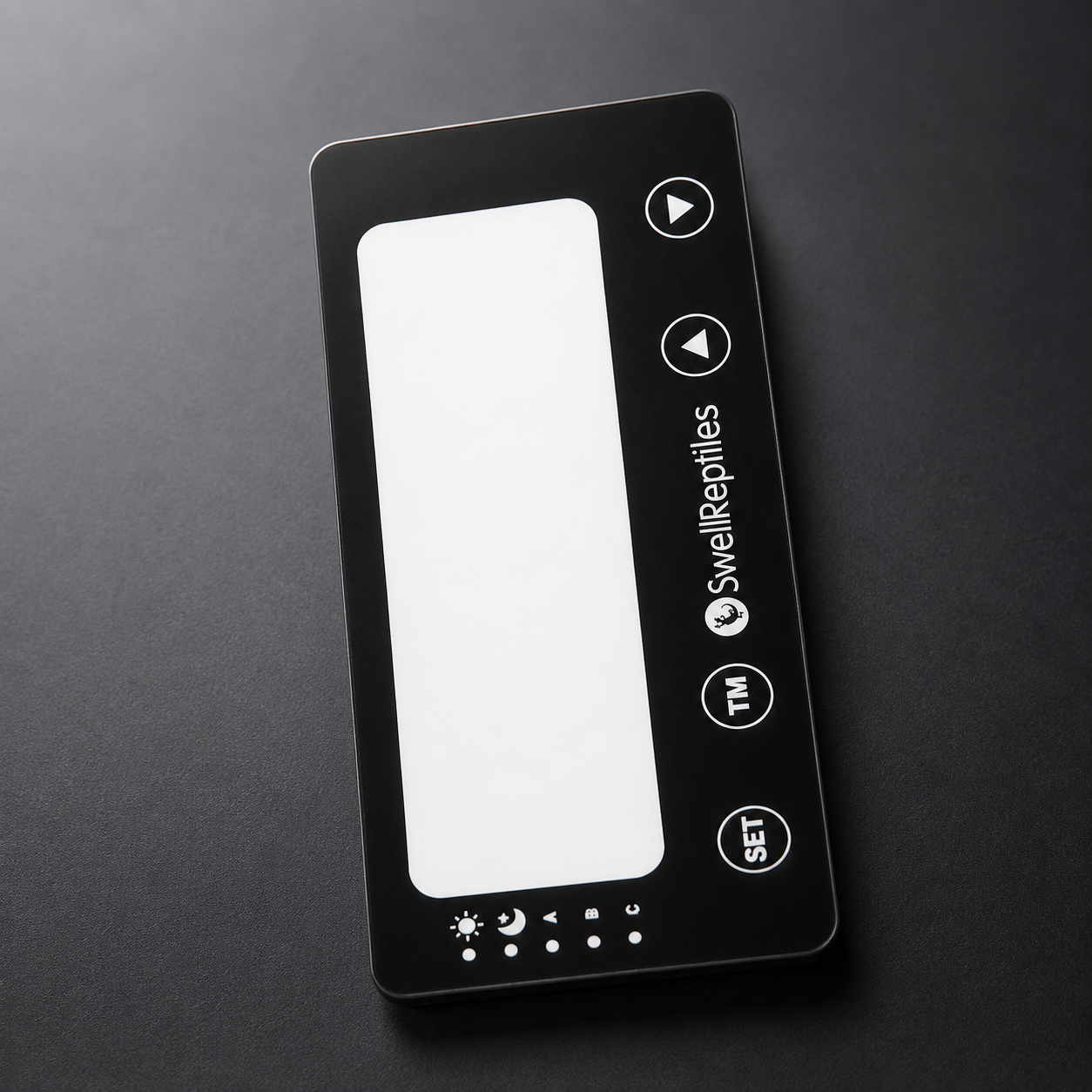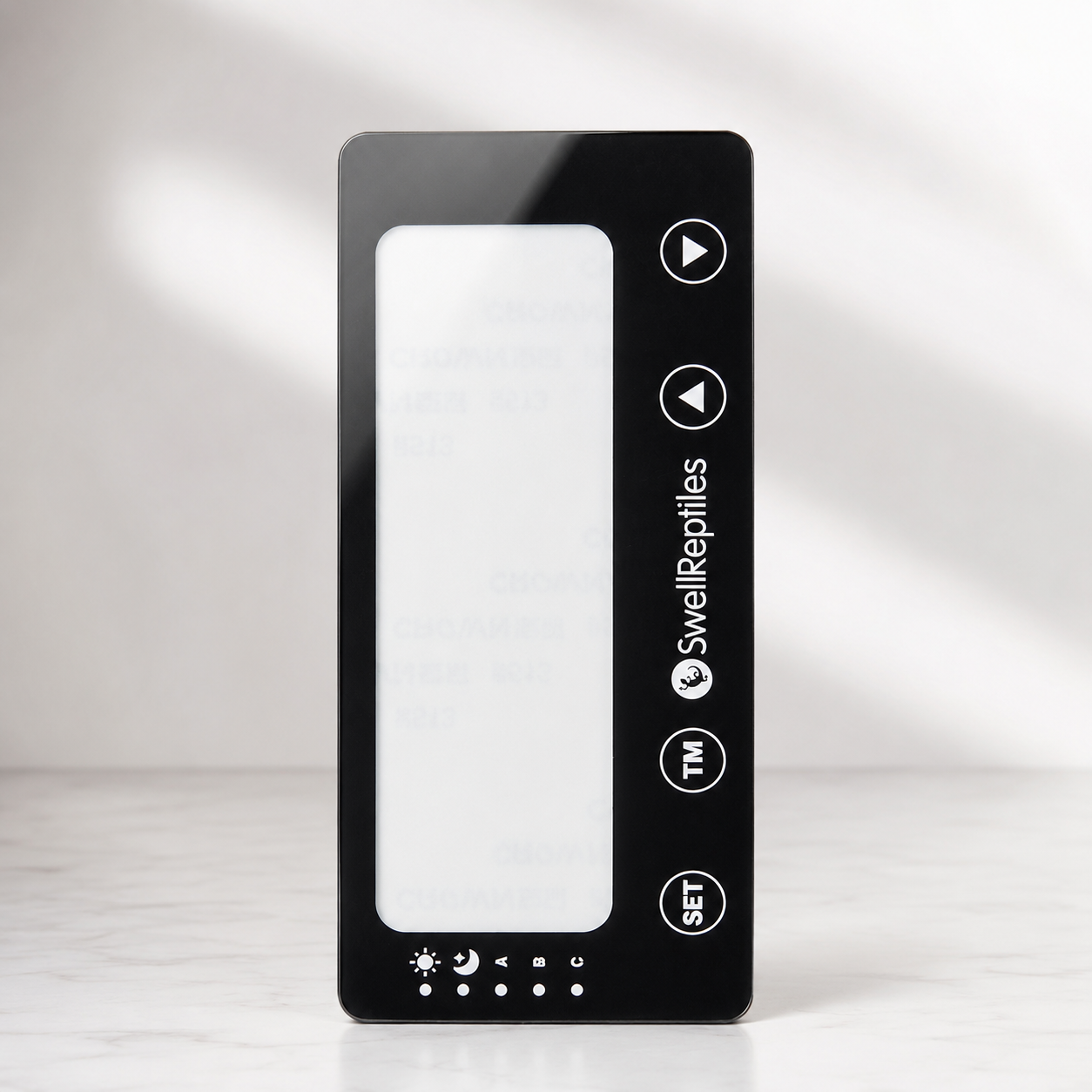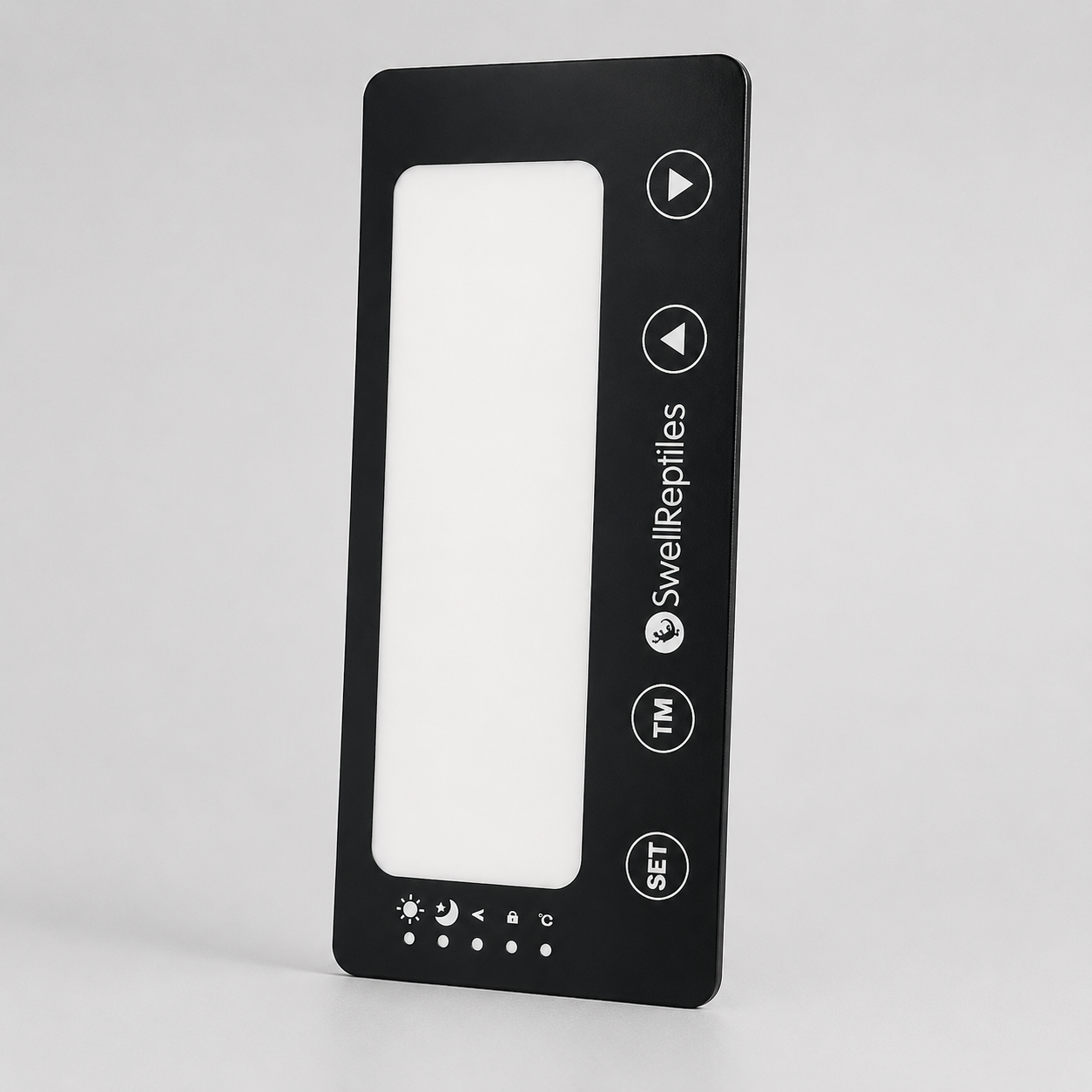
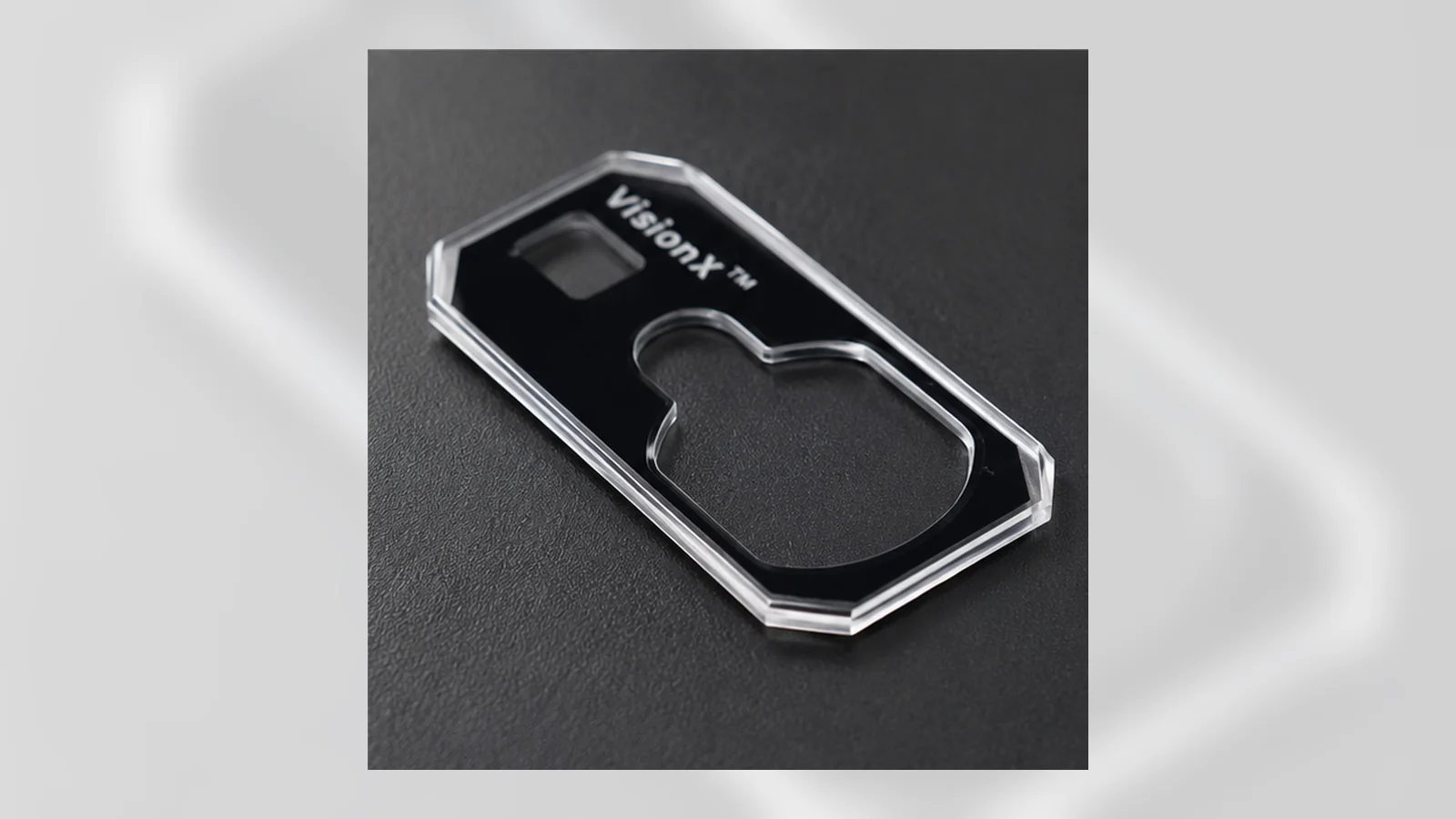
Direct answer: Before ordering a printed control panel, confirm the substrate, drawing revision, artwork, color standard, transparent windows, registration, exposed face, durability requirements, adhesive, inspection method, and packaging.
Lock the mechanical and graphic revisions
A printed panel is both a mechanical component and a communication surface. The drawing should control size, cutouts, and registration datums; the vector artwork should control symbols, legends, borders, and color separations.
Keep the same part number and revision on the purchase order, approved drawing, artwork, and sample record. If the language or regulatory label changes, treat it as a controlled artwork revision.
Confirm the visible result
| Item | Buyer decision |
|---|---|
| Color | Reference standard or approved physical sample and viewing conditions |
| Opacity | Areas that must block internal light and acceptable pinhole criteria |
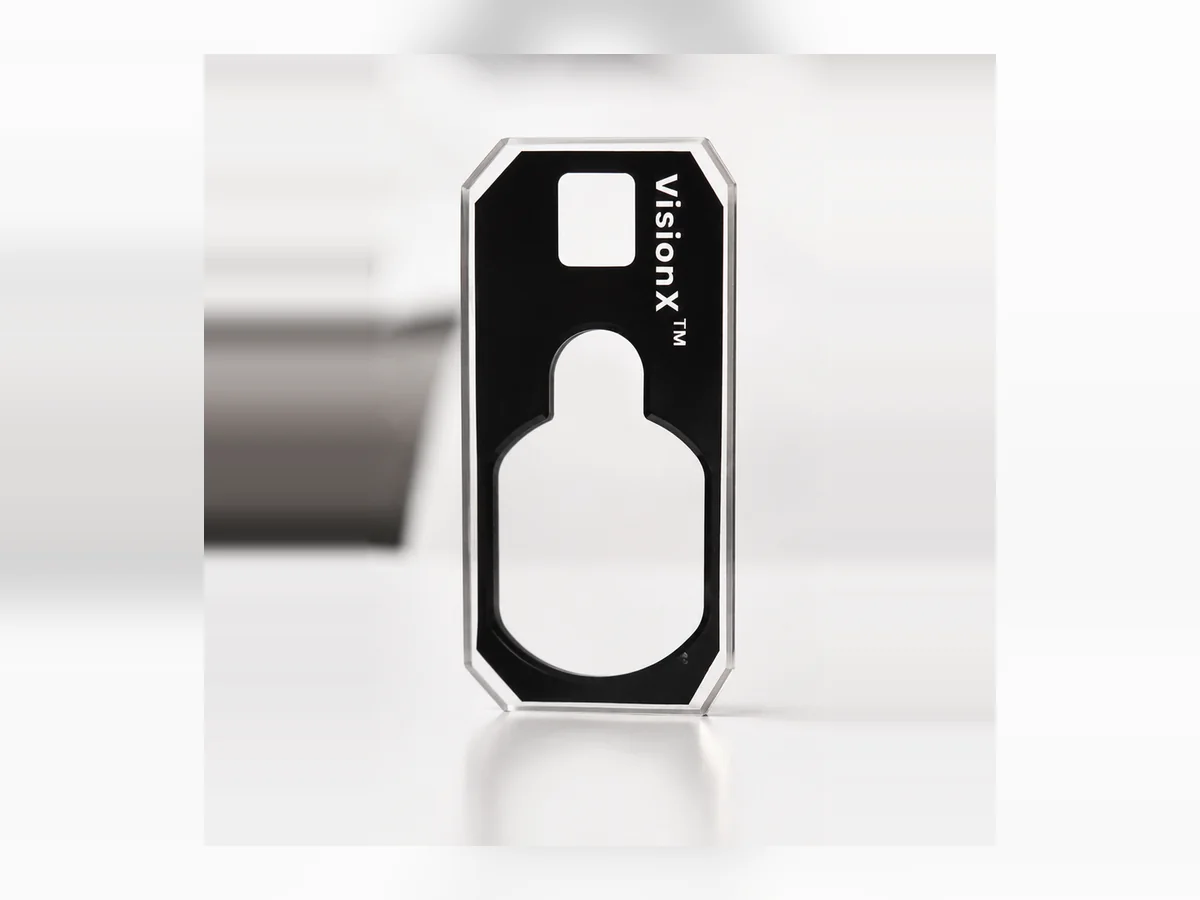
| Windows | Clear, smoked, translucent, textured, or printed appearance |
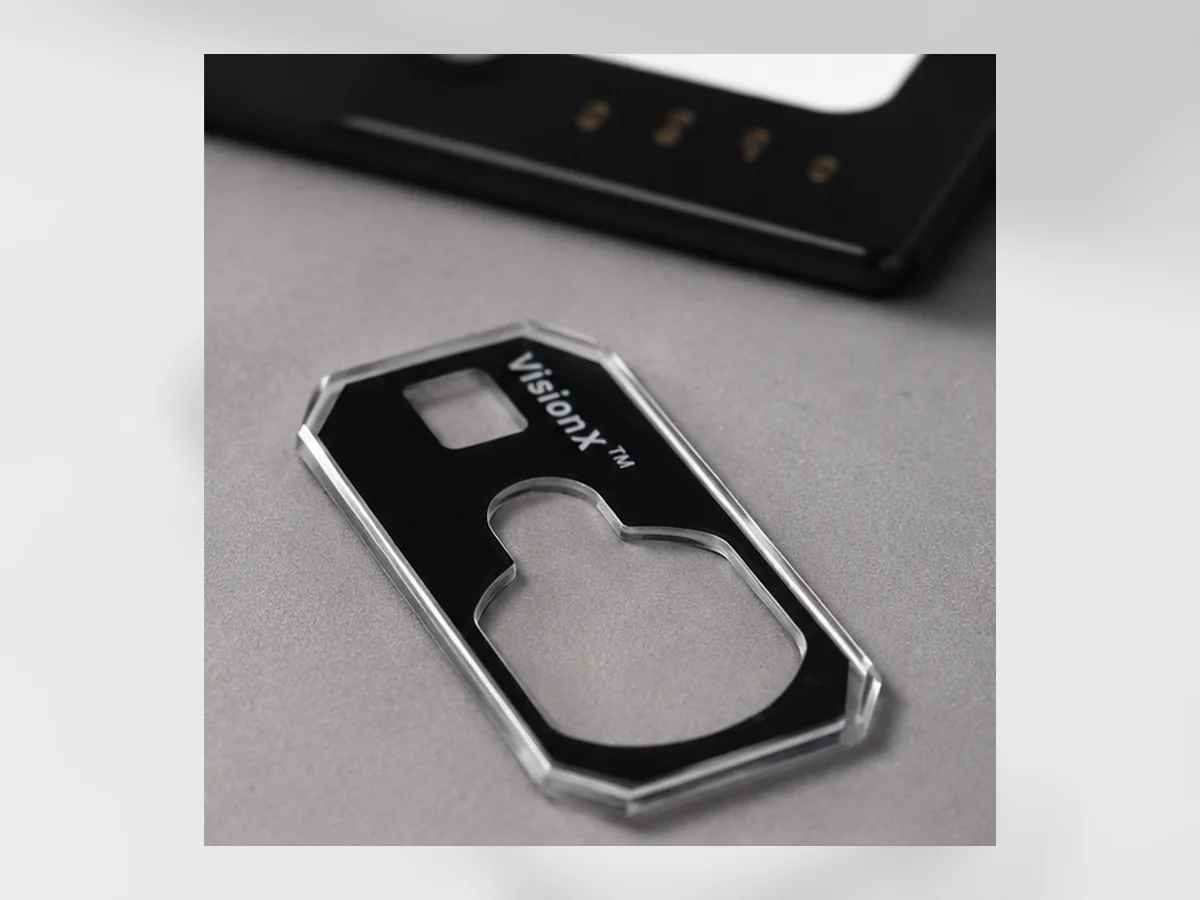
| Surface | Gloss, matte, texture, coating, and exposed face |
| Registration | Critical alignment to buttons, indicators, display, and housing |
Define durability by use
“Durable printing” is not a complete specification. Identify cleaning agents, touch frequency, abrasion, UV exposure, temperature, humidity, and expected service environment.
The appropriate validation depends on the finished product. Confirm test methods and acceptance criteria with the buyer's engineering or compliance team before relying on a generic supplier statement.
Compliance belongs to the finished product scope
A plastic panel may become part of a regulated consumer product, but the applicable rules depend on that final product and its intended users. The U.S. Consumer Product Safety Commission explains that manufacturers and importers of regulated general-use products may need certification to applicable rules; buyers should identify the finished-product requirements before ordering components. See the CPSC business guidance.
For imported goods, country-of-origin marking also requires buyer review. CBP guidance should be checked for the product and packaging plan. Do not print an origin or compliance claim until the responsible importer confirms it.
Approve packing and line presentation
Clarify whether panels must arrive in a fixed orientation, counted stacks, individual bags, trays, or assembly-ready kits. Protective film tabs and liner splits can affect line speed as much as the panel itself.
Visit the service page and send the final assembly requirements with the RFQ. Packaging and production details remain subject to confirmation for the final specification.
Buyer FAQ
Should we use Pantone, CMYK, or a physical sample?
A recognized color reference helps communication, but substrate, ink, thickness, gloss, and lighting affect appearance. A physical approved sample is useful for critical colors.
Can logos and legends be printed on the rear face?
The site confirms custom screen printing options. The print face, viewing direction, ink stack, and protection requirements must be defined in the artwork.
Who determines U.S. compliance requirements?
The responsible finished-product manufacturer or importer should identify applicable rules and required evidence. A component supplier should not guess the product category.
Can we print a Made in USA statement on an imported panel?
Do not do so without a substantiated, legally reviewed basis. FTC and CBP requirements may apply to the finished product, advertising, and origin marking.
How should transparent windows be inspected?
Define viewing conditions, allowable contamination or print intrusion, registration limits, and any optical measurement required.
What files should be included with the purchase order?
Include the approved drawing, artwork, material and finish specification, color references, sample approval, packaging specification, quantity, and revision list.
Key takeaway
Before ordering a printed control panel, confirm the substrate, drawing revision, artwork, color standard, transparent windows, registration, exposed face, durability requirements, adhesive, inspection method, and packaging. Confirm every open point against the final specification and approved sample.
Send the project details for review
Submit the product type, material, dimensions, application environment, print artwork, display windows, adhesive needs, estimated quantity, packaging format, U.S. destination, and required delivery date.
Submit the project information through our contact page. Specifications, MOQ, price, sample timing, and production timing will be confirmed for the final project.