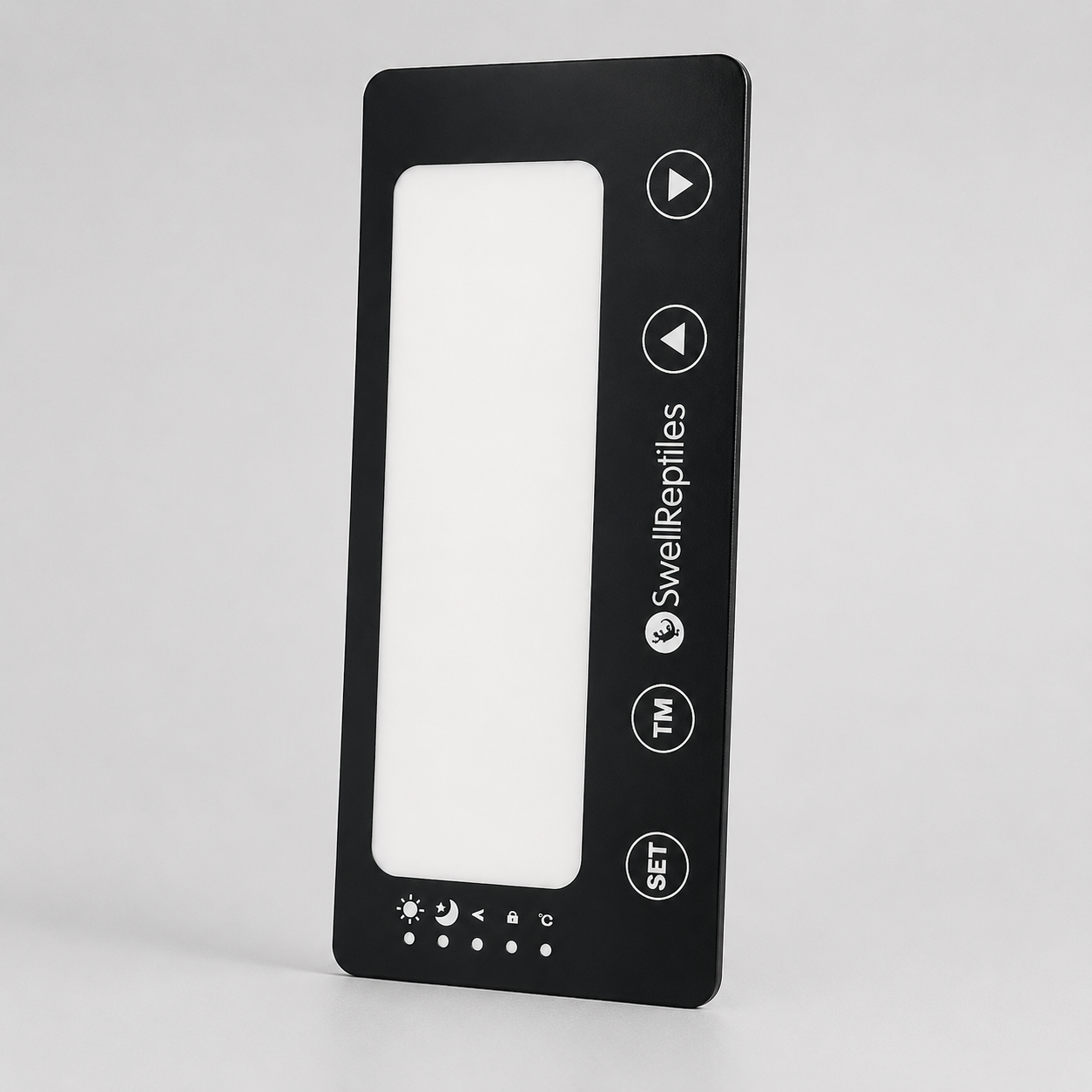
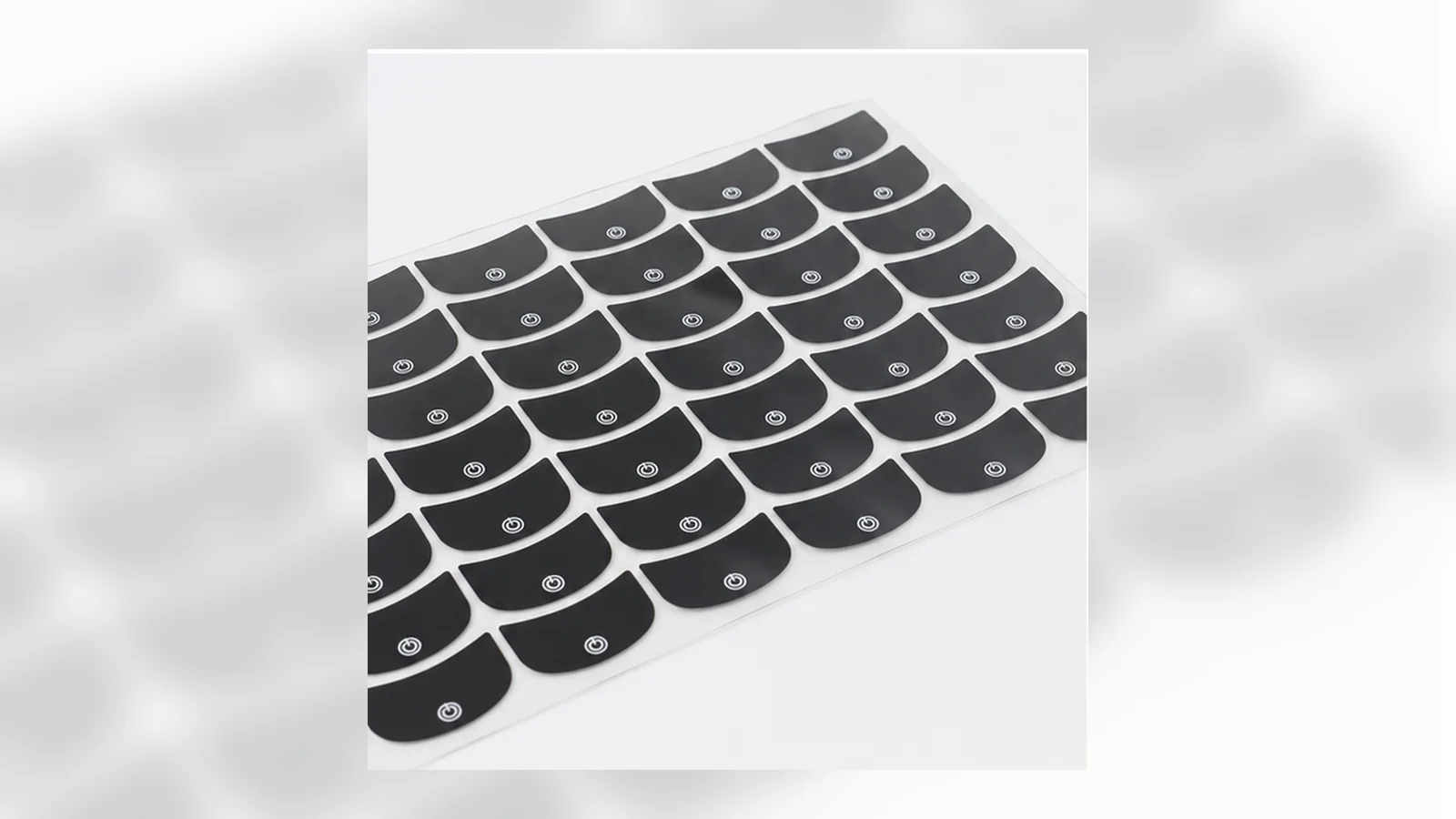
Direct answer: Packaging for custom panels should protect the visible face, edges, printed areas, adhesive liner, and part count while fitting the buyer’s unpacking process. The plan should be approved with the final part specification.
Packaging starts with the damage mechanism
Glossy optical panels are sensitive to surface contact. Printed overlays may be vulnerable at ink edges, while thick rigid covers can place stress on corners or machined openings. Adhesive-backed parts add liner contamination and edge-lift risks.
Identify the most costly failure before choosing a bag, tray, divider, or carton. A package that prevents scratching may still allow edge impact or mixed orientation.
Build protection in layers
| Layer | Typical purpose | Buyer decisions |
|---|---|---|
| Surface protection | Reduce scratches, dust, and handling marks | Film side, peel tab, removal stage, residue limits |
| Part separation | Prevent face-to-face rubbing and print contact | Bag, interleaf, tray, or compartment |
| Inner pack | Control count and movement | Pack quantity, orientation, labels, handling access |
| Outer carton | Manage stacking and transport loads | Gross weight, dimensions, cushioning, pallet plan |
Match the pack to receiving and assembly
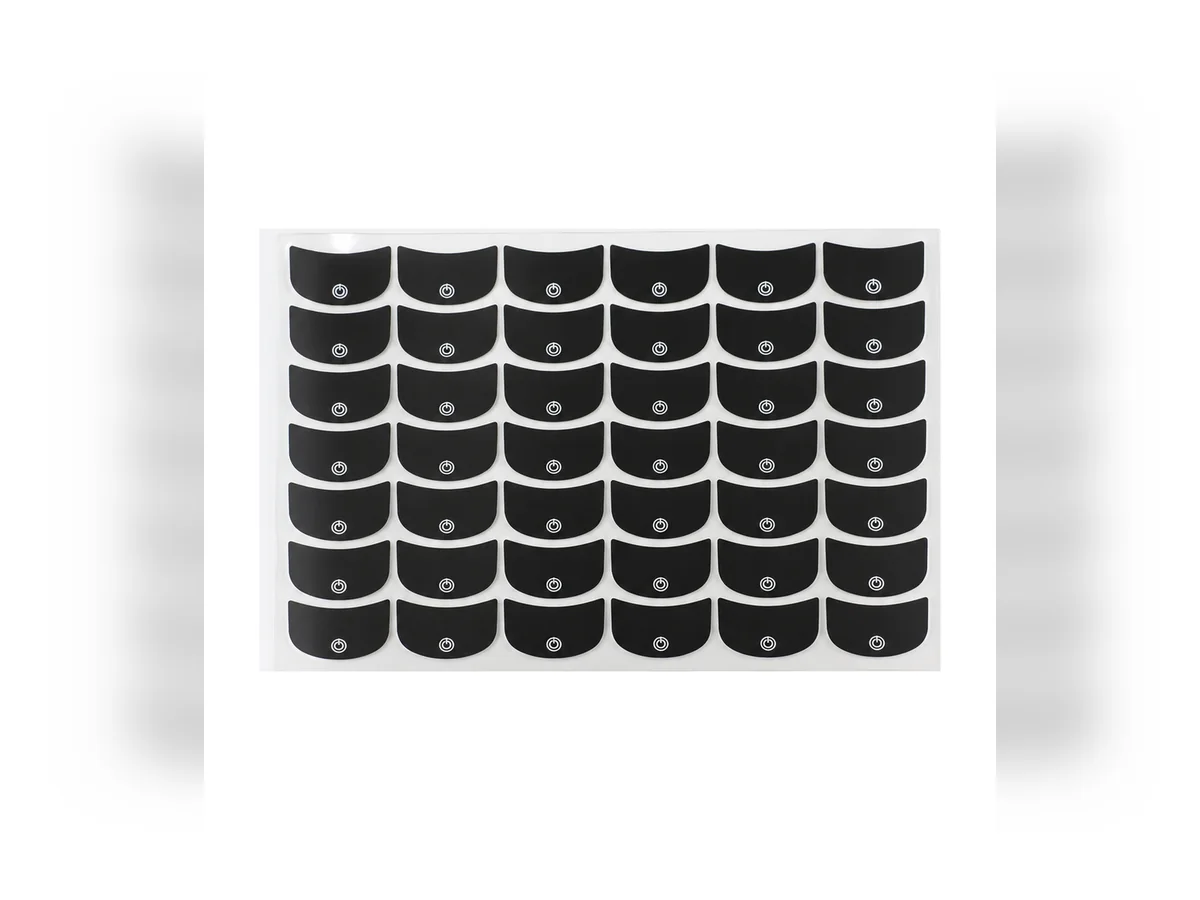
Ask how operators will open the carton, identify the part revision, remove protective film, and present the panel to the assembly fixture. A lower-cost bulk pack can create avoidable labor or contamination if every part must be resorted.
Specify the unit of count and label content. If multiple revisions or mirrored left/right parts exist, use unmistakable part and carton identification.
Plan origin and import information carefully
U.S. Customs and Border Protection states that imported articles generally require country-of-origin marking, subject to product-specific rules and exceptions. Buyers should review the current CBP import guidance and confirm whether the article, immediate container, or repacking operation creates additional requirements.
Artwork, labels, and cartons should use the approved origin statement. Do not add a U.S.-origin implication that conflicts with the actual origin; the FTC Made in USA guidance explains the separate advertising and labeling considerations.
Validate the proposed pack
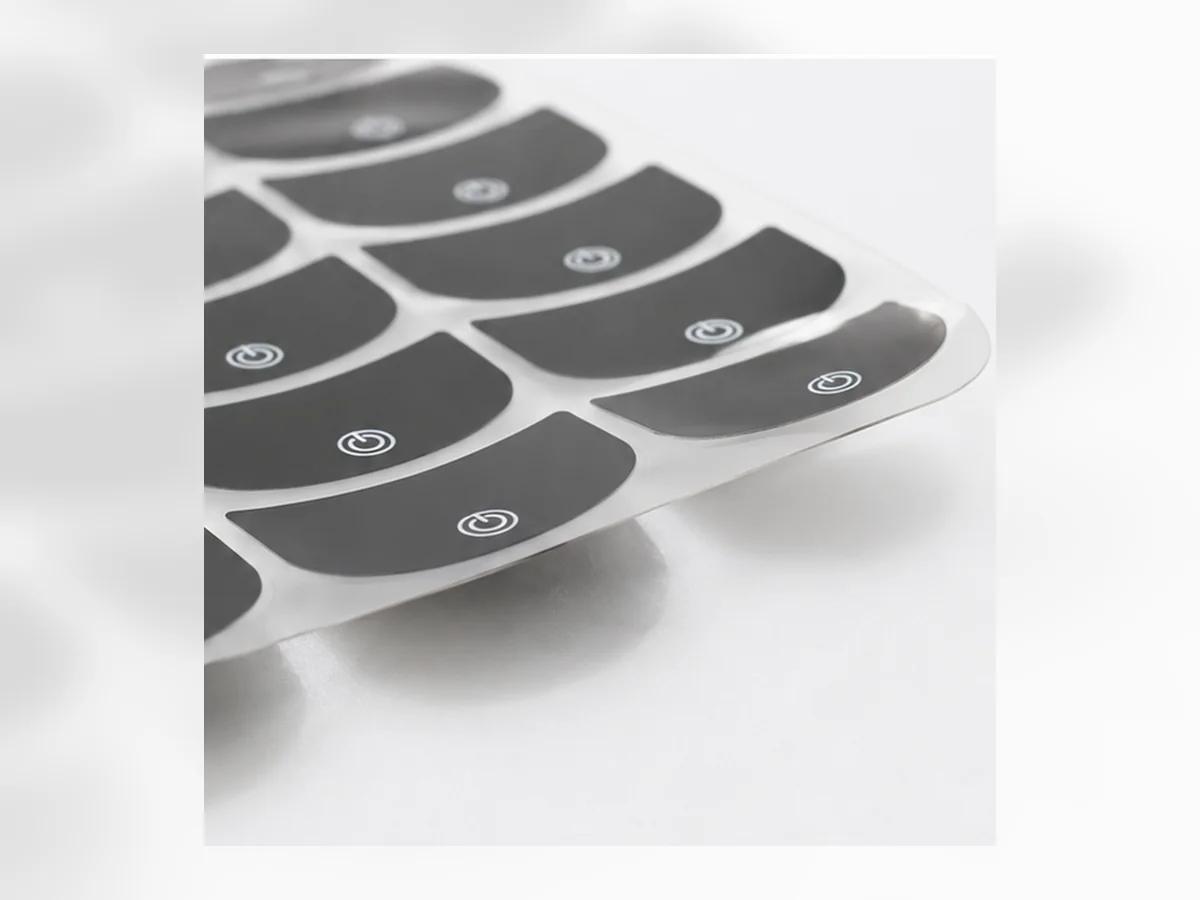
Review a packed sample when the visible surface or freight risk is significant. The evaluation can include unpacking, count verification, film removal, carton handling, and any agreed transport test.
The final method depends on part geometry, quantity, shipment mode, and destination. Confirm it with the purchase order rather than assuming a product-page example is automatically included.
Buyer FAQ
Should every panel be individually bagged?
Not always. Decide based on surface sensitivity, print contact, contamination risk, assembly handling, quantity, and cost.
Is protective film required on both sides?
It depends on which faces are cosmetic or processed and how the part is handled. Confirm film type, peel direction, and removal stage.
Can panels be stacked without dividers?
Only after reviewing surface, print, coating, dust, and movement risk. A stack that appears stable may rub during transport.
What carton information should be specified?
Part number, revision, quantity, lot or traceability information if required, gross and net weight, carton number, handling marks, and approved origin information.
Who confirms country-of-origin marking?
The importer should confirm product-specific CBP requirements with qualified customs guidance. The supplier can apply the approved marking instruction.
Can packaging be changed after sample approval?
Yes, but changes should be reviewed if they affect surface protection, count, handling, freight density, labels, or assembly-line presentation.
Key takeaway
Packaging for custom panels should protect the visible face, edges, printed areas, adhesive liner, and part count while fitting the buyer’s unpacking process. The plan should be approved with the final part specification. Confirm every open point against the final specification and approved sample.
Send the project details for review
Provide the panel material and dimensions, visible surfaces, application, custom finish, expected quantity, preferred inner pack, shipment mode, destination country, and required delivery window.
Submit the project information through our contact page. Specifications, MOQ, price, sample timing, and production timing will be confirmed for the final project.