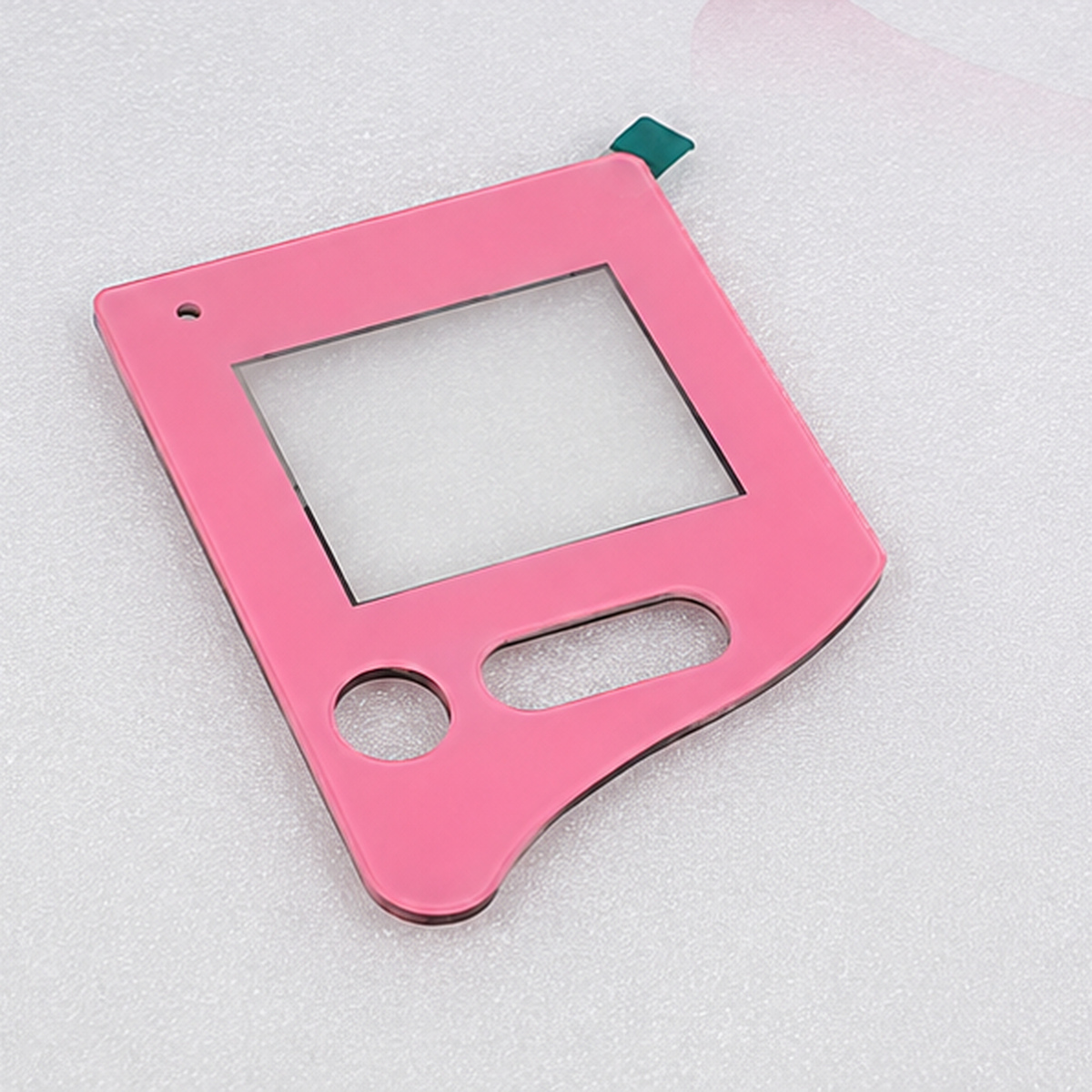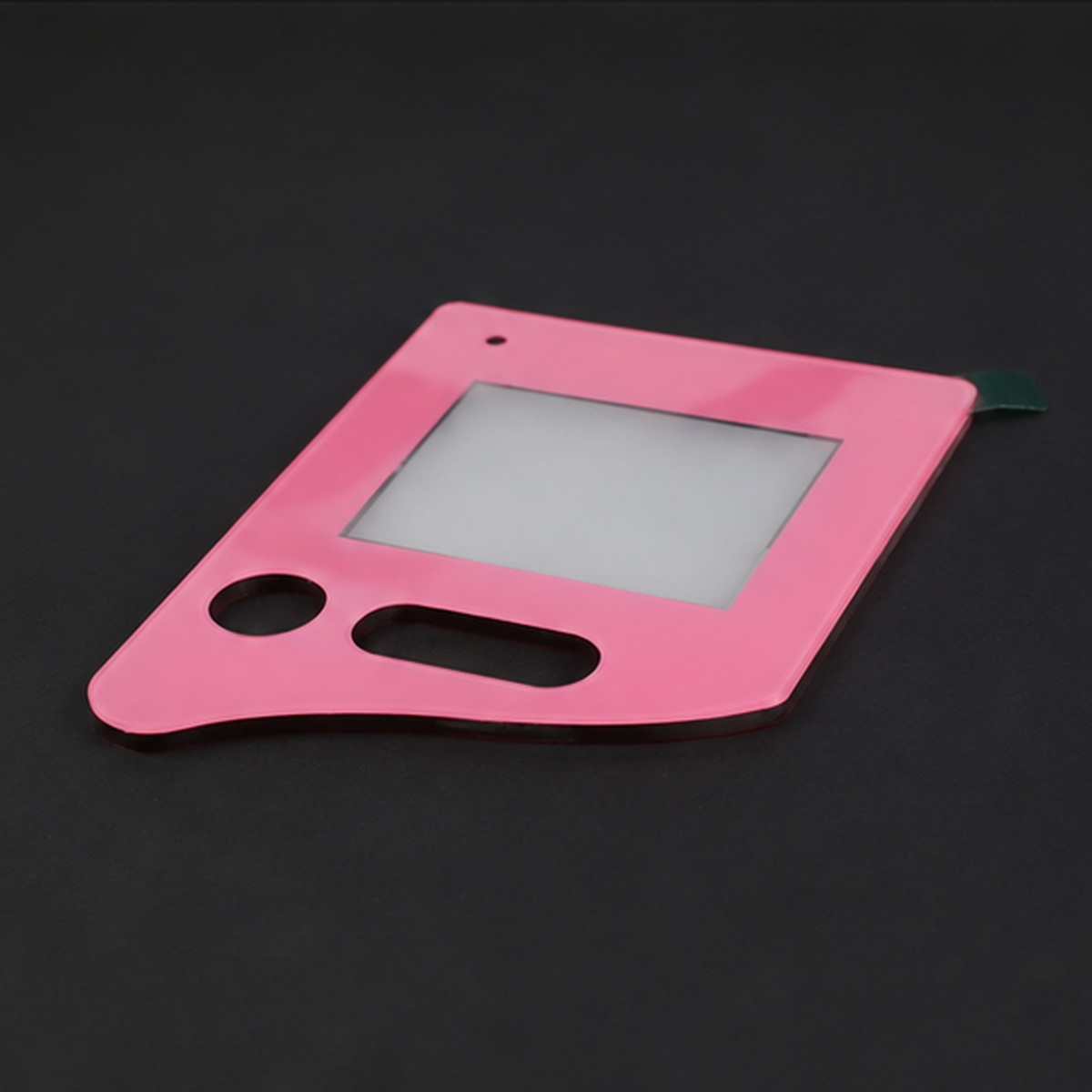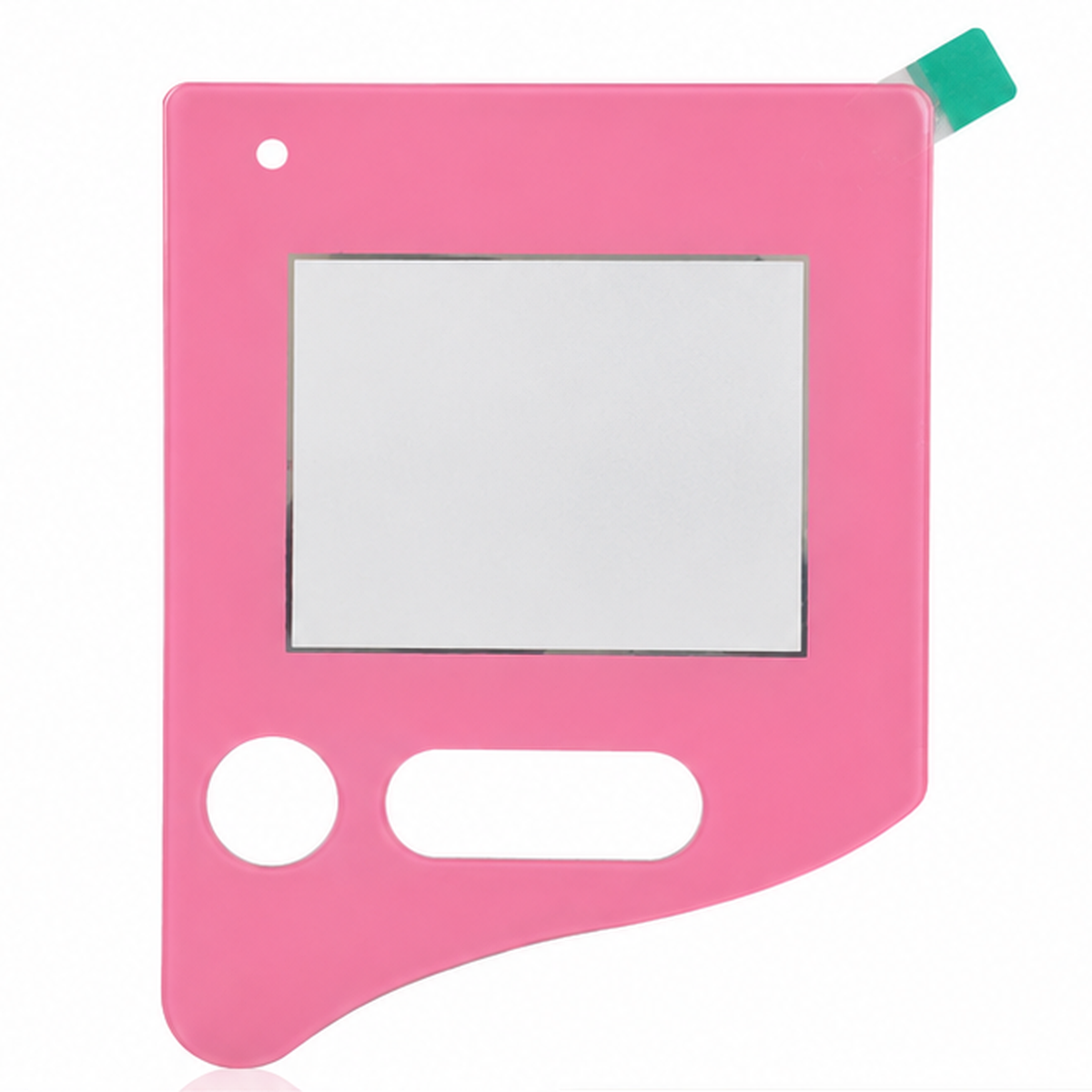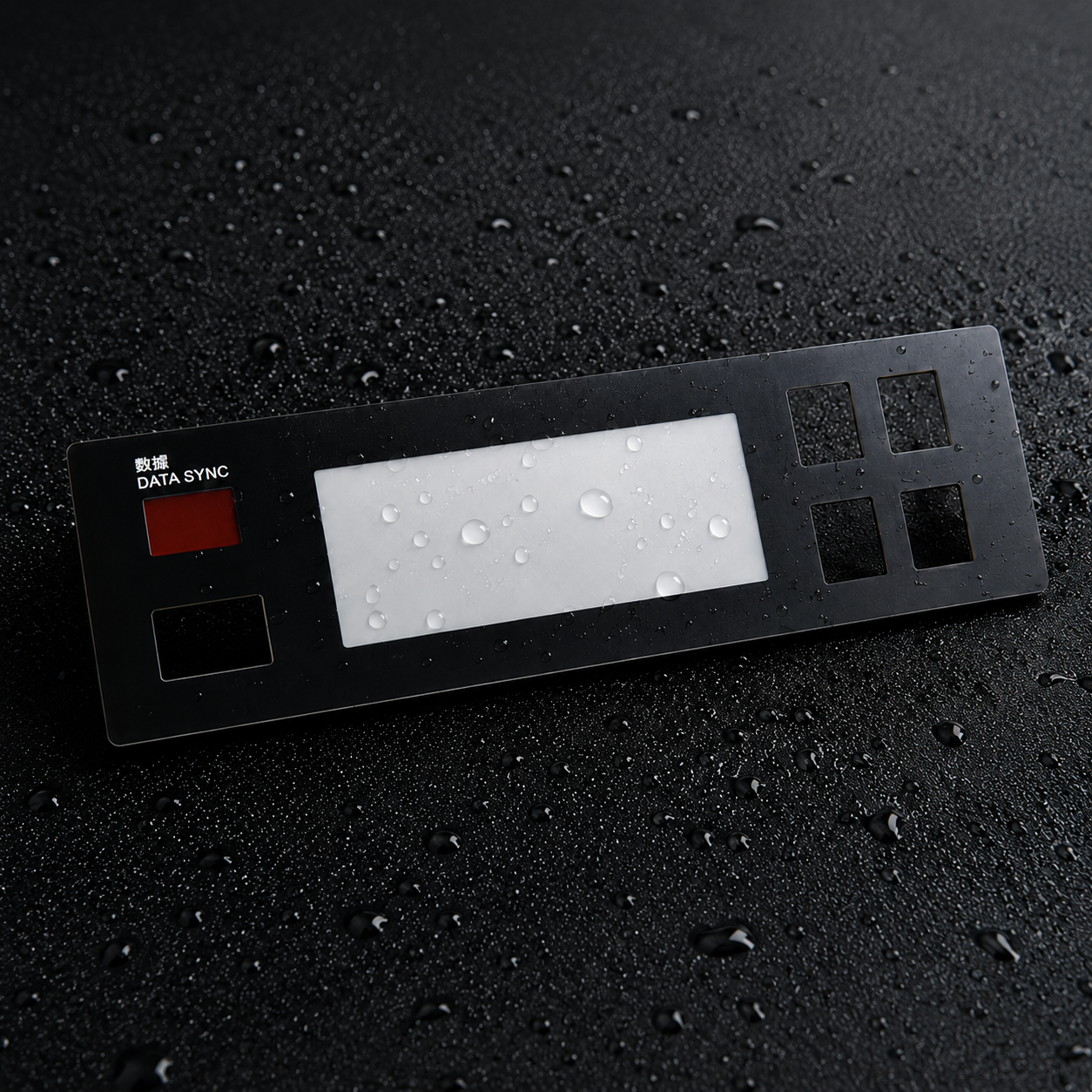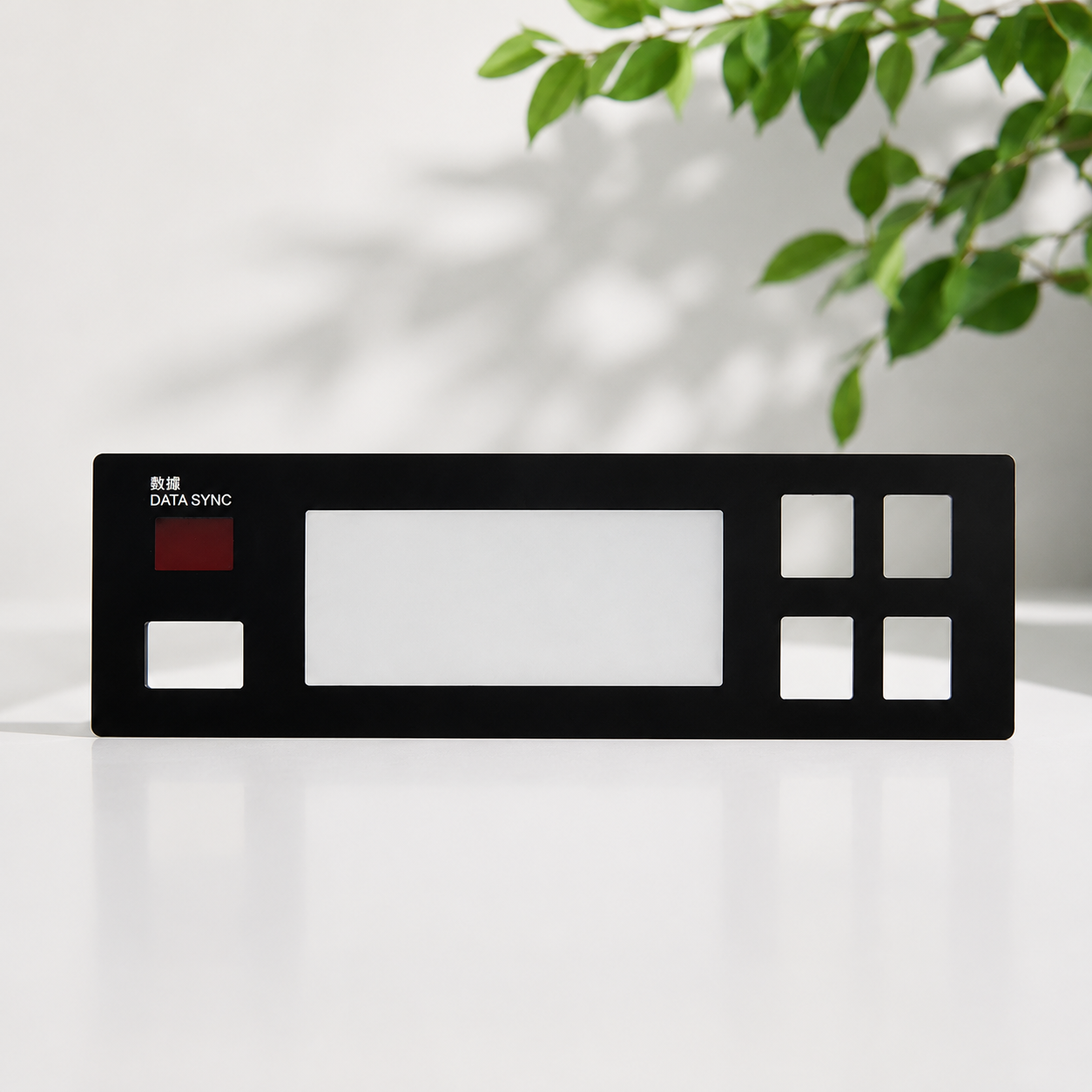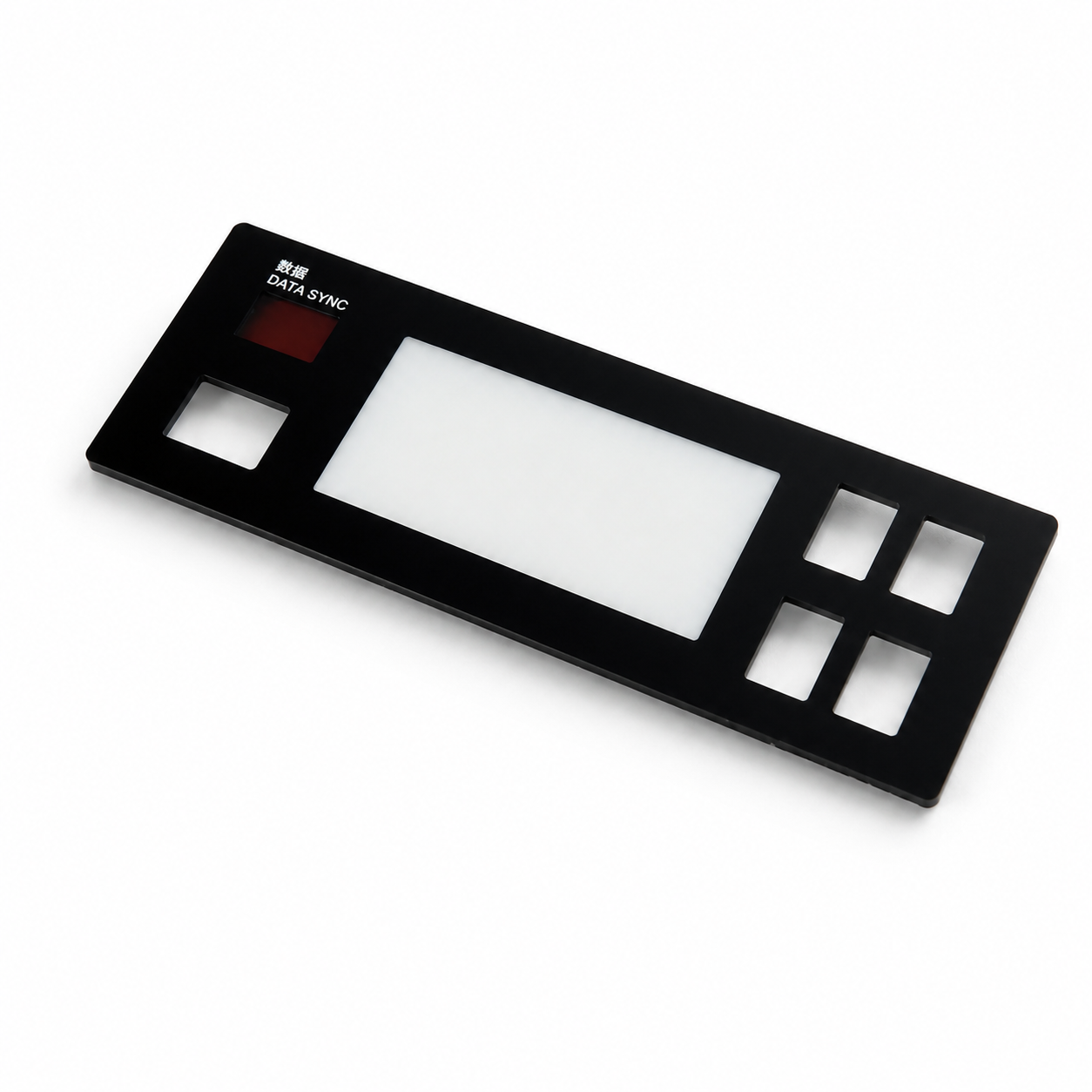
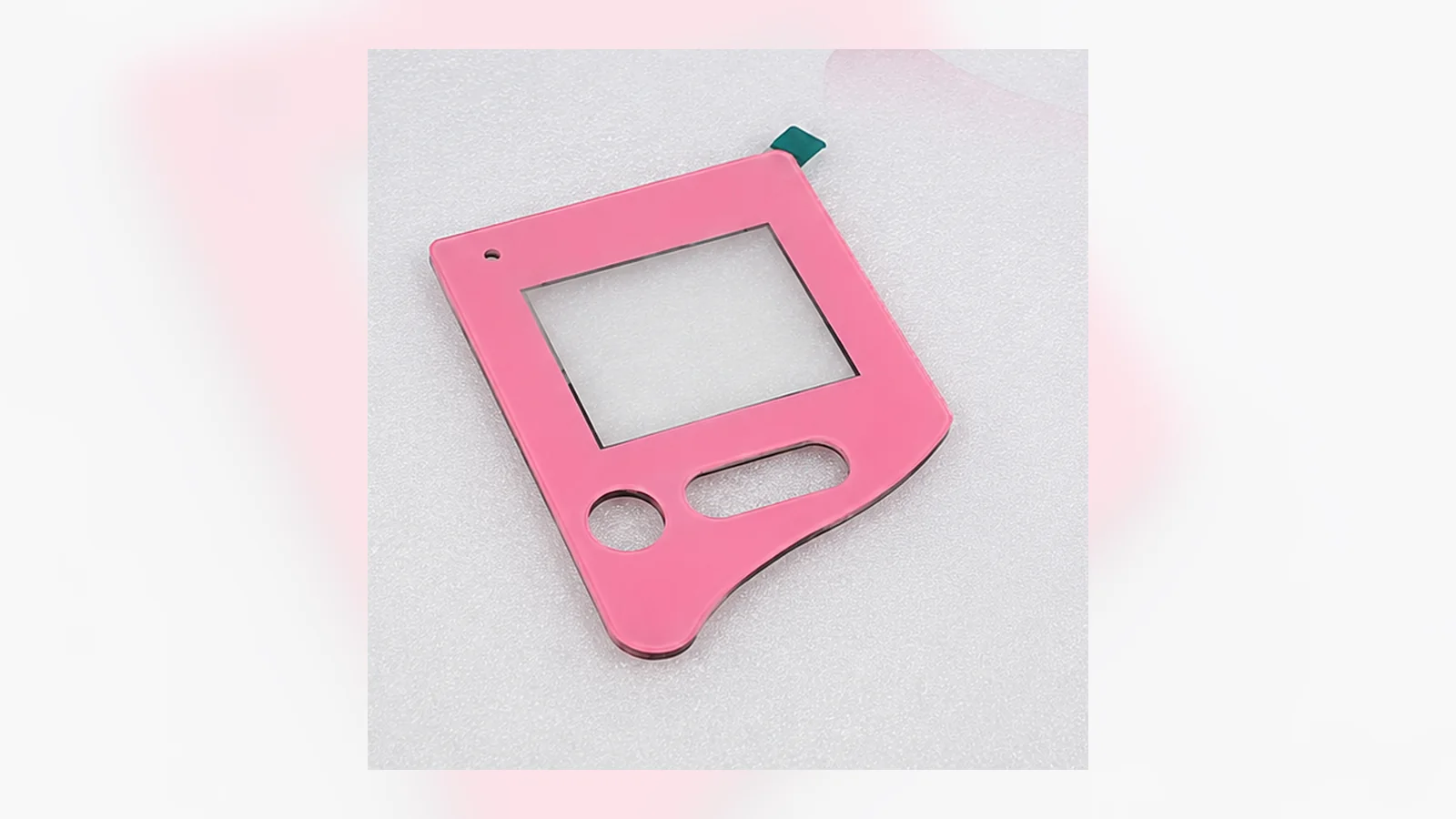
Direct answer: A sample lowers risk only when the buyer evaluates it against controlled requirements. Check dimensions, fit, function, optical behavior, print, surface, adhesive, handling, and packaging, then record the approved revision.
A sample is evidence, not the specification
The approved drawing, artwork, material, and written acceptance criteria define the part. A sample demonstrates one result under one set of conditions; it should be linked to those controlled inputs.
If the sample and drawing disagree, resolve the discrepancy before approval. Do not let an undocumented sample feature become an accidental production requirement.
Evaluate in five passes
- Identity: verify part number, revision, material, finish, and sample label.
- Dimensions: measure critical fit, window, cutout, and registration features.
- Function: assemble the panel and operate displays, buttons, sensors, and adhesive.
- Appearance: inspect color, gloss, print, transparency, haze, scratches, and edge finish under defined conditions.
- Handling: remove film, unpack the part, and simulate the intended assembly sequence.
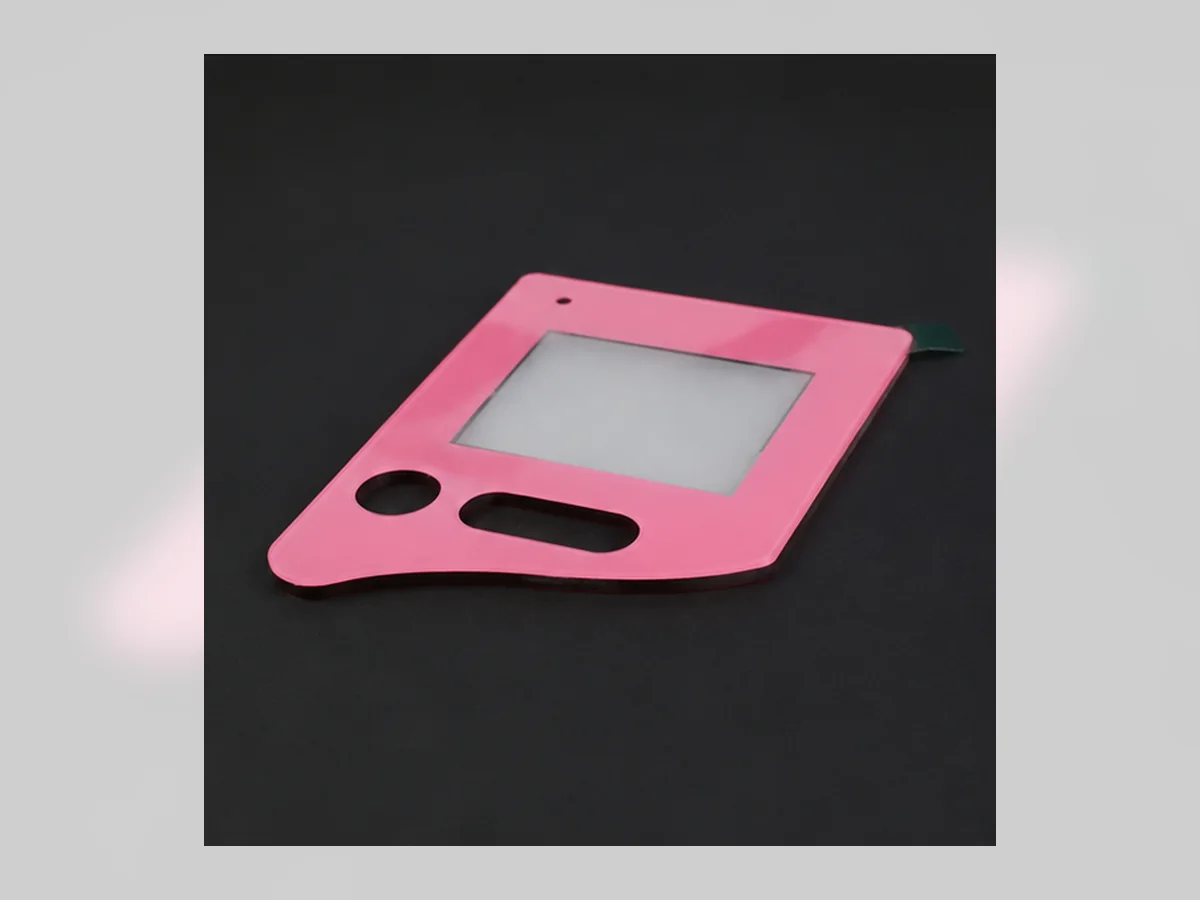
Use a requirement-to-result record
| Requirement | Method | Result | Disposition |
|---|---|---|---|
| Display alignment | Install on production-intent housing and power display | Record observation or measurement | Approve, revise, or retest |
| Critical dimensions | Agreed measurement equipment and datum | Record values | Approve or correct |
| Color and finish | Defined lighting and approved reference | Record comparison | Approve or adjust |
| Adhesive fit | Install on intended substrate | Record position and handling | Approve or revise |
Separate engineering changes from workmanship issues
A wrong hole location in the controlled drawing is an engineering input issue. A hole that does not meet the correct drawing may be a manufacturing issue. The corrective path is different.
Use marked-up drawings and photos to identify each finding. Confirm whether a change affects tooling, artwork, material, inspection, packaging, or price.
Approve the production baseline
The approval record should identify the accepted sample, drawing revision, artwork revision, material and grade, color reference, finish, adhesive, and packaging version. Store a reference sample when practical.
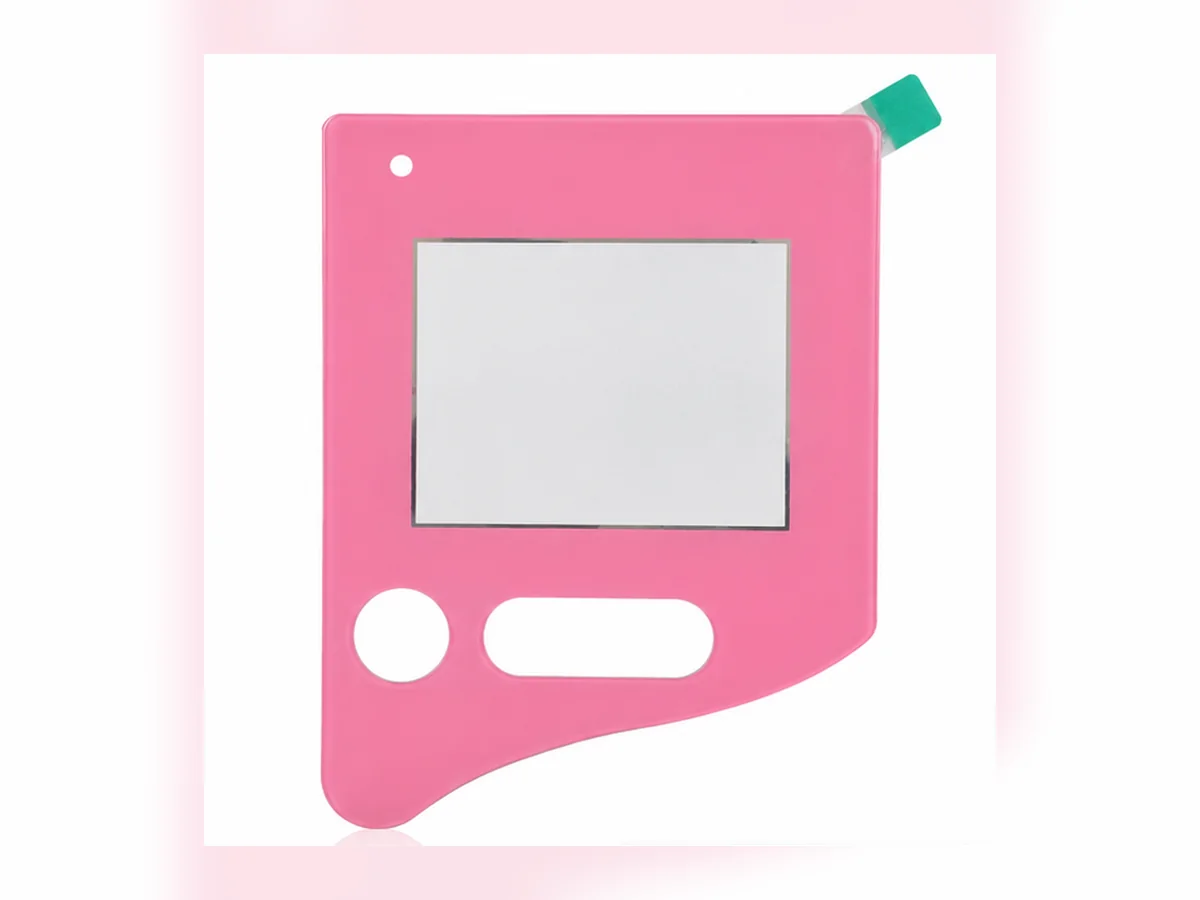
For a PMMA+PC panel, record which face is exposed and how the layer structure is oriented. Final production scope must match the written order.
Buyer FAQ
Should buyers test more than one sample?
The quantity should reflect the variation and tests being evaluated. Destructive, assembly, optical, or environmental checks may require separate samples.
Can appearance be approved from photos?
Photos help document findings but may not reliably represent color, gloss, haze, texture, or fine defects. Use physical references for critical appearance.
What if the sample passes fit but fails color?
Record the approved geometry separately from the required color correction, update the affected specification, and approve the corrected result before production.
Should packaging be included in sample approval?
Yes when surface protection, line presentation, label content, or shipping risk is important.
Can a buyer approve with conditions?
Conditional approval must clearly state what remains open, who owns the action, and whether production is authorized. Avoid ambiguous comments.
What data should accompany the sample?
At minimum, include part number, revision, material, finish, date, sample quantity, and the requirements the sample is intended to validate.
Key takeaway
A sample lowers risk only when the buyer evaluates it against controlled requirements. Check dimensions, fit, function, optical behavior, print, surface, adhesive, handling, and packaging, then record the approved revision. Confirm every open point against the final specification and approved sample.
Send the project details for review
Send the product type, controlled drawing, material, dimensions, application, custom finish, test priorities, expected quantity, packaging plan, destination, and requested production timing.
Submit the project information through our contact page. Specifications, MOQ, price, sample timing, and production timing will be confirmed for the final project.